Key Takeaway
The OpenAI IPO acts as a valuation anchor for the entire AI ecosystem, forcing a binary re-rating of Indian IT: those integrating generative AI at scale will command premium multiples, while legacy service providers face immediate obsolescence.
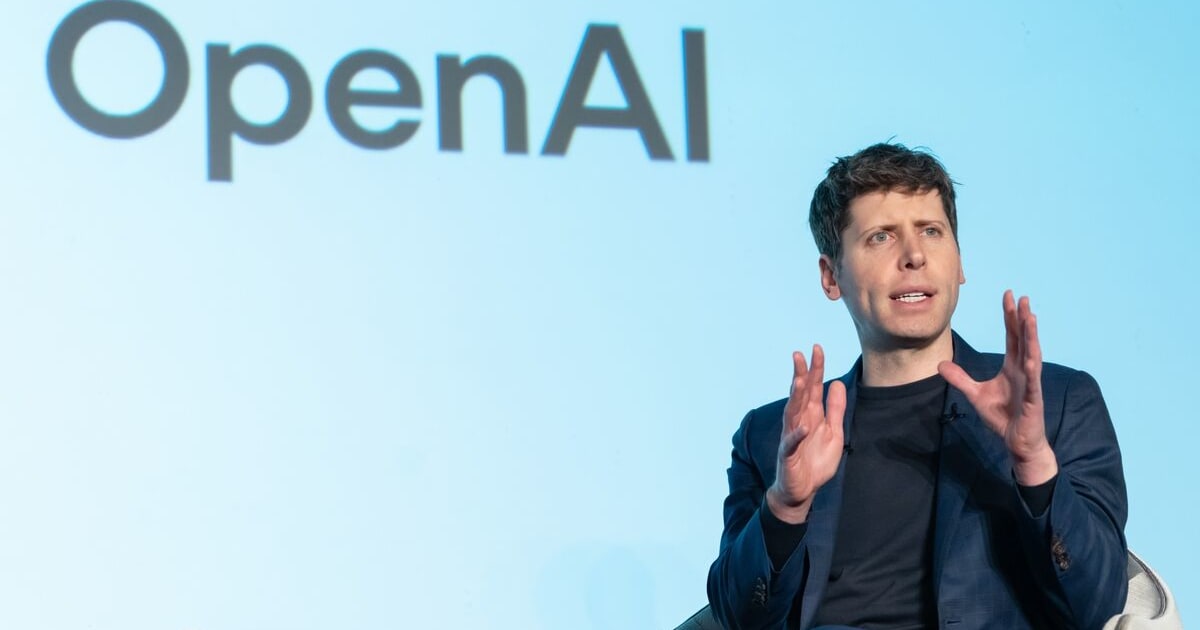
As OpenAI moves toward a landmark public listing, global capital flows are bracing for a massive shift. We analyze how this liquidity event will trigger a structural re-rating of Indian IT heavyweights and what it means for your portfolio's exposure to AI-driven growth.
The OpenAI IPO: A Catalyst for Global Tech Re-rating
The financial world is currently fixated on a single, singular event: the confidential IPO filing of OpenAI. For the Indian markets, this is not merely a US tech headline; it is a structural inflection point. As the primary architects of the generative AI boom prepare to tap public markets, we are witnessing the birth of a new valuation benchmark that will inevitably cascade into the Nifty IT index.
Historically, when a category-defining company goes public, it creates a ‘valuation vacuum,’ pulling capital away from speculative, unlisted startups and concentrating it into high-growth, proven entities. For Indian investors, the OpenAI IPO serves as the ultimate litmus test for the ‘AI-integrated’ thesis in domestic IT services.
How will the OpenAI IPO impact Indian IT stock valuations?
The Indian IT sector, which contributes significantly to the Nifty 50, has spent the last 18 months pivoting toward generative AI. However, the market has remained skeptical of the immediate revenue impact. An OpenAI IPO provides a tangible, public valuation model for AI software companies, which will force analysts to re-examine the P/E ratios of Indian firms. If OpenAI commands a high-revenue-multiple valuation, the ‘AI premium’ will be aggressively priced into Indian IT stocks that have successfully integrated LLMs into their service delivery models.
Sector-Level Breakdown: Winners and Losers
The market is bifurcating. We expect a flight to quality where capital migrates from traditional, labor-intensive IT services toward firms demonstrating high-margin AI implementation capabilities.
- The Winners: Companies that have successfully built proprietary AI frameworks and secured early-mover advantage in AI-driven enterprise transformation.
- The Losers: Legacy IT firms reliant on manual coding, routine maintenance, and BPO-heavy operations. These companies face a ‘disruption discount’ as AI automation renders their core business models increasingly redundant.
Stock-by-Stock Analysis: Who Gains, Who Stagnates?
1. Tata Consultancy Services (TCS): As the industry bellwether, TCS is best positioned to absorb institutional inflows. With a robust balance sheet and deep investment in their ‘AI for Business’ suite, TCS is expected to see a valuation expansion as the market benchmarks them against global AI service integrators.
2. Infosys (INFY): Infosys’s early adoption of Topaz—an AI-first offering—gives them a competitive edge. We anticipate a 10-15% increase in their forward P/E ratio if they continue to report sustained growth in AI-linked revenue streams post-OpenAI IPO.
3. Persistent Systems: A mid-cap standout. Persistent’s agile structure allows for faster pivot cycles than their larger peers. They are a high-beta play on the AI infrastructure theme and are likely to outperform during the initial market excitement.
4. LTIMindtree: With a focus on digital engineering and cloud migration, LTIMindtree is positioned to capitalize on the backend requirements of companies adopting OpenAI’s API ecosystems. They are the 'picks and shovels' play in this narrative.
The Contrarian View: Bulls vs. Bears
The Bull Case: Proponents argue that the OpenAI IPO will validate the entire AI sector, leading to a ‘rising tide lifts all boats’ scenario. They believe the surge in enterprise AI spending will lead to multi-year revenue growth for Indian IT firms, justifying current valuations.
The Bear Case: Skeptics, citing the 2000 Dotcom bubble, warn that AI valuations are detached from cash flow realities. If the OpenAI IPO is priced at a massive premium that subsequently corrects, Indian IT stocks—which have priced in high growth—could suffer a sharp, sentiment-driven correction.
Actionable Investor Playbook
Investors should adopt a barbell strategy. Maintain exposure to large-cap, cash-rich IT leaders like TCS and Infosys to capture the institutional re-rating, while trimming positions in legacy-heavy firms with declining growth rates. Watch for entry points during market volatility; historical data suggests that major tech IPOs often trigger initial sector-wide volatility before establishing a new, higher floor for quality stocks.
Risk Matrix: Assessing the Volatility
| Risk Factor | Probability | Impact |
|---|---|---|
| Regulatory/Ethics Scrutiny | High | Moderate |
| AI Bubble Correction | Moderate | High |
| Capital Drain from Small-Caps | High | Moderate |
What to Watch Next
The next 90 days are critical. Monitor the ‘S-1’ filing for specific revenue data and the composition of OpenAI’s enterprise client list—if Indian IT firms are mentioned as key partners, expect an immediate tailwind for those stocks. Additionally, watch the Federal Reserve’s interest rate commentary, as liquidity for high-growth tech is highly sensitive to the cost of capital.
Disclaimer: This content is generated by WelthWest Research Desk based on publicly available reports and is for informational purposes only. It does not constitute financial advice, investment recommendations, or an offer to buy or sell securities. Always consult a qualified financial advisor before making investment decisions.


