Key Takeaway
The Persian Gulf escalation introduces a structural inflationary shock to India’s import bill. Investors should pivot toward defense and upstream energy while hedging against margin compression in transport-heavy sectors.
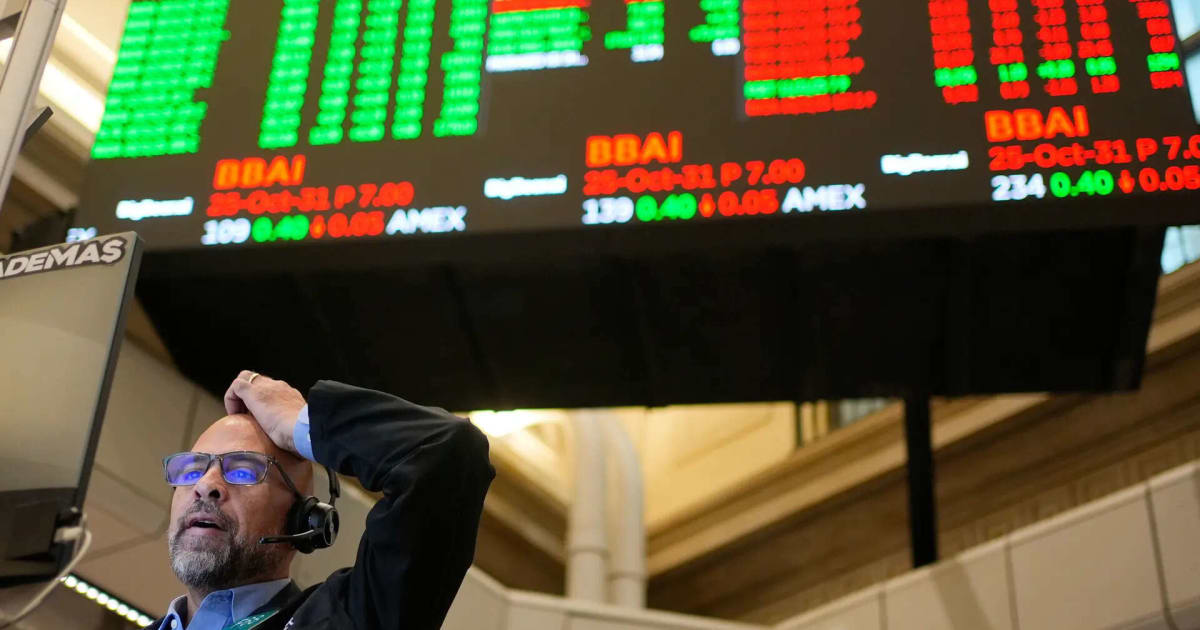
Geopolitical instability in the Strait of Hormuz is rattling global markets, threatening India's crude supply and inflation targets. This analysis dissects the risk to the INR, the impact on key NSE sectors, and a strategic playbook for navigating the volatility.
The Persian Gulf Crucible: Why Global Energy Markets Are Bracing for Impact
The Strait of Hormuz, a narrow waterway through which approximately 20% of the world’s total oil consumption flows, has once again become the epicenter of global geopolitical anxiety. For the Indian investor, this is not merely a foreign policy headline; it is a direct threat to the nation’s macroeconomic stability. As a net importer of crude oil—sourcing over 85% of its requirements from abroad—India is uniquely vulnerable to supply chain disruptions in the Persian Gulf.
When tensions flare in this region, the immediate reaction is a spike in Brent crude prices, creating a double-edged sword: it inflates the national import bill, widens the Current Account Deficit (CAD), and forces the Reserve Bank of India (RBI) into a hawkish corner. History provides a somber precedent; during the 2022 energy price shock, the Nifty 50 experienced significant drawdown as FIIs (Foreign Institutional Investors) retreated to the safety of the US Dollar, causing the INR to test record lows against the greenback.
How Does the Persian Gulf Crisis Affect the Indian Stock Market?
The market impact is transmitted through three primary channels: the cost of raw materials, the valuation of the INR, and the shifting risk-off sentiment. As crude prices elevate, the input costs for India’s manufacturing and logistics sectors rise instantaneously. Because India’s inflation is highly sensitive to fuel prices—which influence transport costs—a sustained escalation could force the RBI to hold interest rates higher for longer, effectively stifling the credit-fueled growth that has powered the Nifty’s recent rally.
The Sectoral Winners and Losers
Winners: Upstream energy companies stand to benefit as realization prices for crude oil increase. Furthermore, the defense sector, represented by firms like Hindustan Aeronautics Ltd (HAL) and Bharat Electronics Ltd (BEL), historically gains traction during periods of geopolitical uncertainty as governments prioritize national security and order book expansion.
Losers: The pain is concentrated in Oil Marketing Companies (OMCs) like HPCL and BPCL. When global prices spike, these firms face a 'margin squeeze' as they struggle to pass on the full cost to price-sensitive Indian consumers. Similarly, the aviation sector, led by InterGlobe Aviation (IndiGo), faces massive headwinds as Aviation Turbine Fuel (ATF) constitutes roughly 40% of their operational expenses.
Stock-by-Stock Deep Dive: Navigating the Volatility
- ONGC (NSE: ONGC): As an upstream explorer, ONGC’s revenue is directly correlated with global crude prices. With a P/E ratio significantly lower than the broader market average, it serves as a natural hedge against rising energy costs.
- Oil India Ltd (NSE: OIL): Similar to ONGC, OIL is a beneficiary of the price surge. Their concentrated focus on exploration makes them a high-beta play for investors looking to capitalize on energy inflation.
- InterGlobe Aviation (NSE: INDIGO): The bears are currently circling this stock. A 10% rise in oil prices can compress their margins by 300-500 basis points. Investors should watch for the 'fuel surcharge' pass-through ability.
- Bharat Electronics Ltd (NSE: BEL): As defense spending becomes a geopolitical priority, BEL’s robust order book and government-backed contracts offer a defensive shield against market-wide risk-off sentiment.
Expert Perspective: The Bull vs. Bear Debate
The Bear Case: Analysts arguing for a correction point to the 'stagflationary' risk. If crude remains elevated, corporate earnings across the Nifty 50 will face downward revisions as input costs erode operating margins, and the INR’s depreciation makes foreign debt servicing more expensive for Indian corporates.
The Bull Case: Contrarians argue that India’s domestic consumption story is decoupling from global shocks. They point to strong GST collections and capital expenditure cycles as evidence that the Indian economy is more resilient than it was in previous decades. They suggest that dips in blue-chip stocks should be viewed as long-term accumulation opportunities rather than a signal to exit.
Actionable Investor Playbook
- Defensive Reallocation: Shift 10-15% of your equity portfolio toward gold-linked ETFs or Sovereign Gold Bonds (SGBs) as a store of value against currency volatility.
- Sector Rotation: Reduce exposure to high-beta, oil-dependent sectors (Auto, Paints, Aviation) and increase weightage in defensives like FMCG and Pharma.
- Watch the Spread: Monitor the 'Crack Spread'—the difference between the price of crude oil and petroleum products. If this narrows significantly, it is a sell signal for OMCs.
Risk Matrix
| Risk Factor | Probability | Impact |
|---|---|---|
| Prolonged Strait of Hormuz Blockade | Moderate | High |
| Sustained $90+ Brent Crude | High | Moderate |
| RBI Delaying Interest Rate Cuts | High | High |
What to Watch Next
Investors must keep a close watch on the upcoming RBI Monetary Policy Committee (MPC) meeting minutes and the OPEC+ production quota updates. Any signal of a supply-side restriction will be the primary catalyst for the next leg of volatility. Furthermore, track the INR/USD exchange rate; a breach of 84.50 could trigger a broader FII sell-off in the Indian equity markets.
Disclaimer: This content is generated by WelthWest Research Desk based on publicly available reports and is for informational purposes only. It does not constitute financial advice, investment recommendations, or an offer to buy or sell securities. Always consult a qualified financial advisor before making investment decisions.


