Key Takeaway
The Jio IPO is more than a listing; it is a structural liquidity event that will force a reallocation of FII and DII capital, likely benchmarking a new valuation floor for India’s digital infrastructure sector.
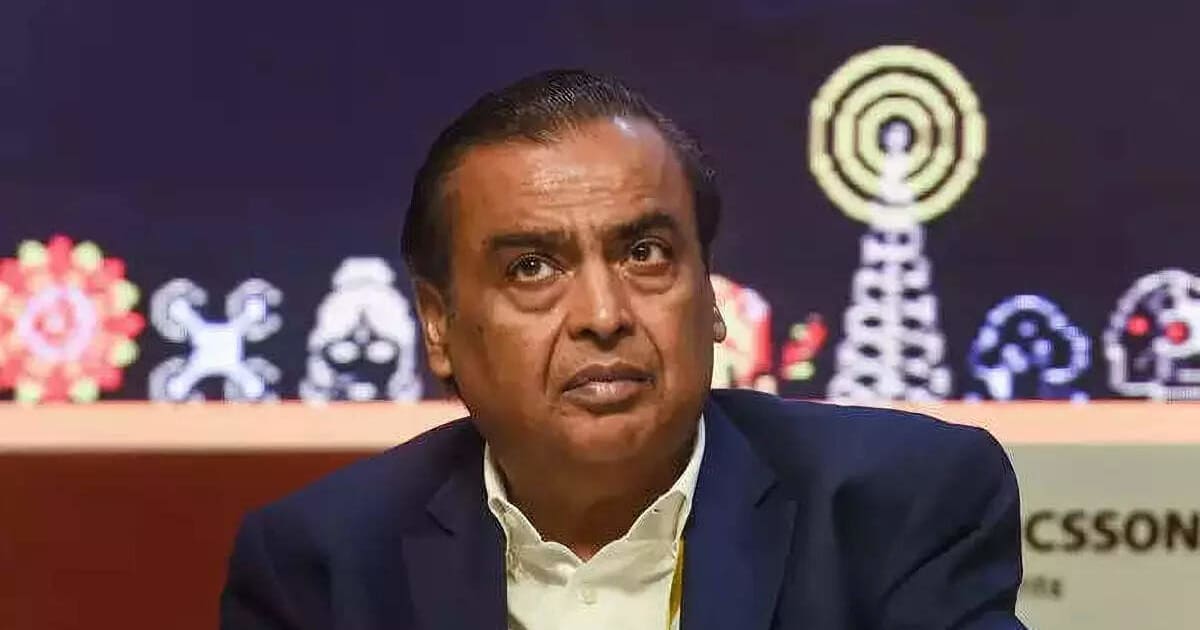
Reliance Industries is preparing for a landmark $4 billion IPO for its digital arm, Jio. This move is set to redefine the Indian telecom sector, trigger significant capital inflows, and potentially alter the risk-reward profile for competing stocks like Bharti Airtel and Vodafone Idea.
The $4 Billion Catalyst: Why Jio’s IPO Changes Everything
The Indian capital markets are on the precipice of a seismic shift. Reliance Industries (RELIANCE) is moving toward a $4 billion IPO for its digital crown jewel, Jio. This is not merely another public offering; it is a liquidity event of a magnitude rarely seen in the history of the National Stock Exchange (NSE). By spinning off a digital behemoth that has redefined India's data consumption landscape, Mukesh Ambani is effectively creating a new benchmark for how global investors value the convergence of telecommunications, fintech, and digital services.
For investors, the timing is critical. As the Indian equity market navigates a period of valuation consolidation, the entry of a mega-cap digital player provides a fresh narrative to attract global FII (Foreign Institutional Investor) inflows. Historically, when a company of this size hits the secondary market, it resets the valuation multiples for its entire sector.
How will the Jio IPO impact the Indian telecom sector valuation?
The market is currently pricing telecom stocks based on ARPU (Average Revenue Per User) expansion and 5G monetization. Jio’s IPO will force a re-rating. We expect the market to move toward a 'Digital Utility' valuation model, where the focus shifts from pure subscriber growth to the LTV (Lifetime Value) of the digital ecosystem. If Jio commands a premium valuation, it will inherently lift the floor for competitors, provided they can demonstrate similar operational efficiency.
The Sector-Level Ripple Effect
A $4 billion infusion of demand will act as a vacuum, temporarily pulling liquidity from other mid-cap and large-cap segments. We saw a similar phenomenon during the LIC IPO in 2022, where the sheer volume of capital required for subscription caused a brief contraction in broader market liquidity. We anticipate a similar, albeit more 'premium-focused' scramble this time around.
Stock-by-Stock Breakdown: Winners and Losers
- RELIANCE (Reliance Industries): The primary beneficiary. The IPO unlocks value for shareholders and provides a massive cash injection for future capex in green energy and retail. Expect a valuation premium as the 'sum-of-the-parts' discount narrows.
- BHARTIARTL (Bharti Airtel): A mixed outlook. While the IPO validates the sector's growth potential, Airtel faces the risk of capital rotation. Institutional investors may trim positions in Airtel to rebalance their portfolios toward the new, high-growth Jio offering.
- IDEA (Vodafone Idea): The most vulnerable. As liquidity drains toward the high-quality, cash-generative Jio, Vodafone Idea may struggle to compete for institutional attention, potentially exacerbating its existing capital-raising challenges.
- Investment Banking & Brokerage Firms (e.g., ICICIBANK, SBICARD): The underwriters and the broader financial services ecosystem will see a surge in fee-based income and trading volumes, providing a short-term boost to their quarterly earnings.
Expert Perspective: The Bull vs. Bear Debate
The Bull Argument: Bulls argue that the Jio IPO is the 'New India' growth story. They contend that the listing will attract massive tranches of passive global capital, essentially acting as a 'Beta' play on the Indian digital economy. They point to the 5G rollout as the ultimate catalyst for margin expansion.
The Bear Argument: Bears caution against the 'crowding out' effect. They argue that if the IPO is priced too aggressively, it could suck the oxygen out of the secondary market, leading to a temporary correction in Nifty 50 stocks. Furthermore, they highlight the risks of a 'liquidity trap' where investors are locked into a massive IPO while secondary market volatility spikes.
Actionable Investor Playbook: Navigating the Liquidity Shift
For the disciplined investor, this event requires a three-pronged approach:
- Cash Management: Maintain at least 15-20% liquidity in your portfolio to participate in the anchor and retail portions of the IPO, or to buy into dip-opportunities in high-quality large-caps that suffer from sector-rotation selling.
- Portfolio Rebalancing: Review your exposure to telecom. If you are overweight on mid-cap telecom, consider trimming positions now before the potential 'liquidity drain' hits smaller counters.
- Time Horizon: This is a medium-to-long-term play. Do not get caught in the 'flip' frenzy. Focus on the post-listing stabilization phase, typically 3-6 months after the debut.
Risk Matrix
| Risk Factor | Probability | Impact |
|---|---|---|
| Secondary Market Liquidity Drain | High | Moderate |
| Pricing Over-extension | Medium | High |
| Macroeconomic Headwinds (Interest Rates) | Medium | Moderate |
What to Watch Next: Catalysts for the Coming Quarter
The next 90 days are crucial. Watch for the official SEBI filing (DRHP), which will reveal the exact valuation targets and the debt-to-equity ratio of the entity. Additionally, monitor the RBI’s interest rate stance; if the central bank signals a dovish shift, the liquidity available for the IPO could expand, mitigating the risk of a secondary market contraction.
Disclaimer: This content is generated by WelthWest Research Desk based on publicly available reports and is for informational purposes only. It does not constitute financial advice, investment recommendations, or an offer to buy or sell securities. Always consult a qualified financial advisor before making investment decisions.


