Key Takeaway
RMZ Infrastructure’s $35 billion capital allocation marks the transition of Indian real estate from office-centric to high-power-density industrial assets. Investors should pivot toward firms solving the 'power-cooling-connectivity' trilemma.
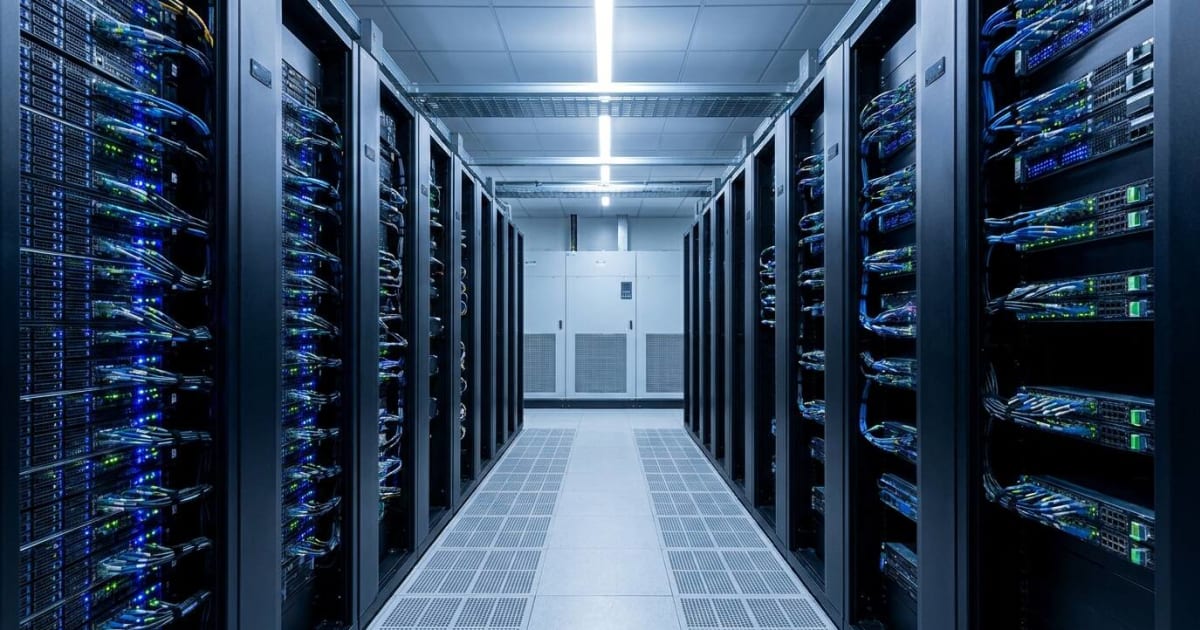
RMZ Infrastructure is set to scale its data center capacity to 1 gigawatt, signaling a structural shift in India’s digital economy. This massive investment will ripple through power utilities, electrical engineering firms, and industrial developers. We break down the winners, losers, and the strategic roadmap for navigating this infra super-cycle.
The $35 Billion Catalyst: Why RMZ is Reshaping India's Digital Backbone
The announcement of a $35 billion expansion by RMZ Infrastructure is not merely a corporate milestone; it is a macro-economic signal of India’s transition into a global AI and cloud computing hub. For decades, Indian real estate was defined by commercial office absorption rates. Today, the metric that matters is megawatts per square foot. This capital infusion into 1 gigawatt of capacity represents the largest single-sector industrial pivot in recent history, dwarfing the initial investment phases seen during the 2021-2022 digital infrastructure boom.
How will the RMZ expansion impact Indian infrastructure stocks?
The infrastructure sector in India has historically traded at a discount to global peers due to execution risk and regulatory hurdles. However, the RMZ move forces a re-rating of the entire value chain. When the infrastructure sector expanded rapidly in 2022, the Nifty Infrastructure Index saw a 22% appreciation over eighteen months. This cycle, however, is distinct because it is driven by high-power-density real estate, which requires specialized cooling systems and high-voltage grid integration—services that traditional commercial developers cannot provide.
The Power-Cooling-Connectivity Trilemma
Data centers are essentially power-hungry vaults. The demand generated by 1GW of capacity requires a robust, uninterrupted power supply, which puts immense pressure on existing grid infrastructure. This creates a direct tailwind for firms specializing in power transmission, switchgear, and renewable energy integration.
Stock-by-Stock Analysis: Who Wins and Who Loses?
The ripple effect of a $35 billion deployment is uneven. We categorize the impact across the NSE/BSE landscape:
- Larsen & Toubro (L&T): As the primary EPC (Engineering, Procurement, and Construction) player, L&T is the absolute winner. Their order book, currently at record highs, will likely see a surge in high-margin data center construction contracts. With a P/E of ~35x, L&T remains the institutional proxy for this growth.
- Siemens India & Schneider Electric Infrastructure: These firms are critical for power distribution and automation. As data centers scale, the demand for smart grid technology and medium-voltage switchgear becomes inelastic. Schneider Electric (NSE: SCHNEIDER) is particularly well-positioned given its global expertise in data center energy management.
- Tata Power: Data centers require reliable, green energy. Tata Power’s pivot toward renewable energy generation provides the necessary ESG-compliant power that hyperscalers (like AWS and Azure) demand. They are the clear utility choice for long-term power purchase agreements (PPAs).
- KEI Industries: Often overlooked, KEI is the backbone of electrical cabling. High-density data centers require specialized, fire-resistant, high-capacity cabling. Their margins are set to expand as they move up the value chain from residential to industrial-grade infrastructure.
- Losers - Traditional Commercial Real Estate (REITs): Developers heavily exposed to legacy IT office spaces may face capital reallocation risks. As tenants pivot to cloud-native models, traditional office demand is likely to stagnate, pressuring the valuation of pure-play commercial REITs.
Expert Perspective: The Bull vs. Bear Case
The Bull Case: Proponents argue that India is in the early innings of a 'Digital Industrialization' cycle. With AI demand surging, the current 1GW push is just the floor. They point to the 15-20% CAGR in Indian data center absorption as a structural floor for these stocks.
The Bear Case: Skeptics, particularly those wary of high interest rates, point to the execution risk. Building 1GW of capacity requires massive upfront debt. If the cost of capital remains sticky (RBI repo rate at 6.5%), interest servicing could erode the ROE of these projects. Furthermore, grid connectivity bottlenecks remain the 'Achilles heel' of this sector.
Actionable Investor Playbook
Investors should adopt a three-tier strategy to capture this growth:
- The Core (L&T, Siemens): Allocate 50% of your infra-exposure here. These are the 'pick-and-shovel' plays that benefit regardless of which developer wins the project.
- The Enablers (KEI Industries, Schneider): Allocate 30%. These firms have pricing power because they provide specialized, non-substitutable components.
- The Utilities (Tata Power): Allocate 20%. Look for long-term PPAs as an entry signal.
Time Horizon: This is a 3-5 year structural play. Do not trade the volatility; look for entry points during broad market corrections where high-quality infra names trade at a 10-15% discount to their 200-day moving average.
Risk Matrix: Assessing the Hurdles
| Risk Factor | Probability | Impact |
|---|---|---|
| Grid Connectivity Delays | High | Medium |
| High-Interest Rate Environment | Medium | High |
| Execution/Construction Delays | Medium | Medium |
| Technological Obsolescence | Low | High |
What to Watch Next
Keep a close watch on the upcoming quarterly results for L&T, specifically the 'Order Inflow' segment for industrial projects. Additionally, monitor TRAI and MeitY policy updates regarding data sovereignty; any regulatory push to localize AI data processing will act as a major catalyst for further capacity expansion, likely triggering a sector-wide rally.
Disclaimer: This content is generated by WelthWest Research Desk based on publicly available reports and is for informational purposes only. It does not constitute financial advice, investment recommendations, or an offer to buy or sell securities. Always consult a qualified financial advisor before making investment decisions.