Key Takeaway
The resolution of Samsung's labor dispute provides immediate relief to India's technology sector, safeguarding crucial semiconductor supply chains. This development mitigates potential price hikes and production delays for electronics manufacturers, offering stability to key Indian listed firms reliant on global chip availability.
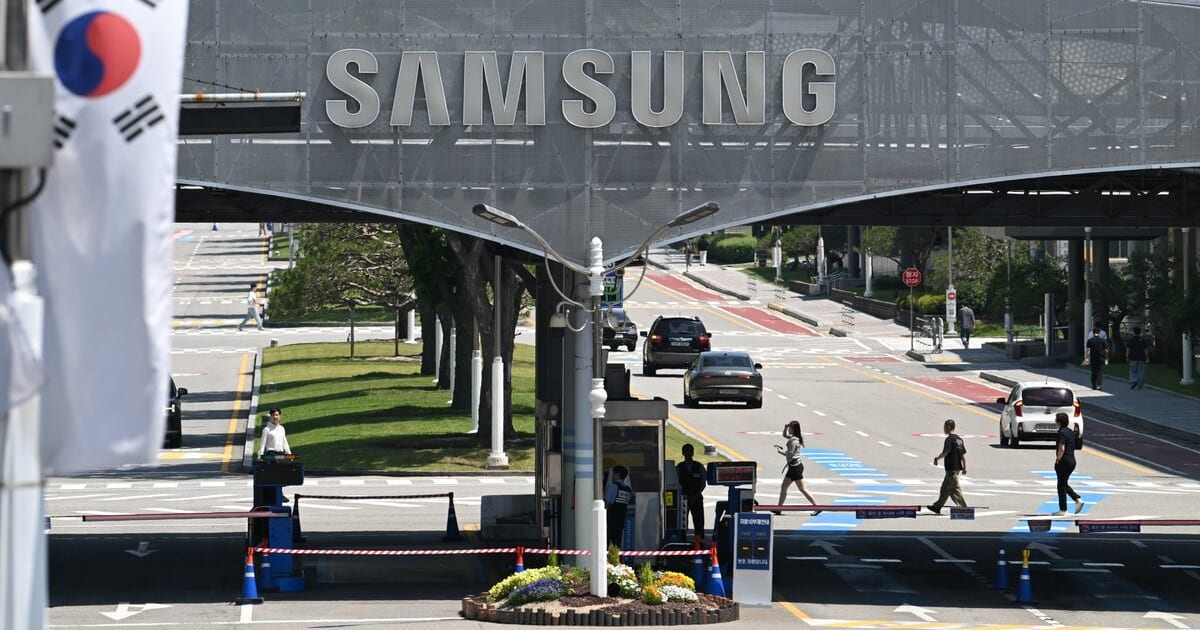
Samsung's global semiconductor operations are back on stable footing as workers accept a new wage agreement, averting a potentially disruptive strike. This outcome is a significant positive for India's burgeoning electronics and automotive sectors, which depend heavily on consistent chip supplies. We delve into the market ramifications for Indian equities and identify key companies poised to benefit or remain resilient.
Samsung Chip Strike Averted: India's Tech Supply Chain Secured, Key Stocks React
In a development that has sent ripples of relief through global technology markets, Samsung Electronics' semiconductor division has successfully negotiated a wage agreement with its workforce, thereby sidestepping a potentially crippling strike. This resolution is particularly consequential for India's economic landscape, where a stable inflow of semiconductor components underpins a vast array of manufacturing activities, from consumer electronics to sophisticated automotive systems.
Why This Samsung Labor Deal Matters for India's Stock Market
The specter of a strike at Samsung, a titan in the semiconductor industry, cast a long shadow over global supply chains. Such an event would have inevitably led to increased lead times and upward price pressures for critical semiconductor chips. For India, this was not merely an abstract concern; it represented a tangible threat to the operational efficiency and profitability of numerous domestic manufacturers. The Indian market, increasingly reliant on advanced electronics and the 'Make in India' initiative, would have faced significant headwinds. The averted strike, therefore, acts as a crucial de-risking event, removing immediate uncertainty and reinforcing the stability of the tech supply chain that underpins a substantial portion of India's industrial output. This stability is a prerequisite for sustained growth in sectors that are increasingly digitized and automated.
Semiconductor chips are the foundational elements of modern technology. Their consistent availability and predictable pricing are vital for industries ranging from smartphones and laptops to electric vehicles and advanced medical equipment. India's ambition to become a global manufacturing hub, particularly in electronics and semiconductors, makes it acutely sensitive to disruptions at major global suppliers like Samsung. The averted strike ensures that the current trajectory of growth and investment in these sectors remains largely unimpeded by external supply shocks. This is a critical juncture, as India aims to leverage global supply chain realignments to its advantage.
Deep Market Impact Analysis: Safeguarding Indian Equities
The resolution of Samsung's labor dispute offers a much-needed layer of certainty for the Indian stock market, particularly for sectors heavily dependent on semiconductor inputs. While the direct impact on Indian listed companies may not be immediately reflected in dramatic price swings, the averted disruption prevents significant downside risks. Consider the historical parallels: in early 2022, global supply chain bottlenecks, exacerbated by geopolitical tensions, led to a noticeable slowdown in production for many electronics manufacturers. This resulted in a period of volatility across technology and consumer durables stocks on the National Stock Exchange (NSE) and Bombay Stock Exchange (BSE). The Nifty IT index, for instance, experienced a period of recalibration as demand forecasts were adjusted downwards due to component shortages.
The semiconductor sector itself is a critical component of the global economy, and any disruption at a major player like Samsung has cascading effects. For India, this means that companies involved in electronics assembly, contract manufacturing, and even those producing finished goods that incorporate semiconductors, can breathe a sigh of relief. The averted strike prevents a scenario where increased chip costs would have squeezed profit margins, forcing some companies to either absorb these costs or pass them on to consumers, potentially dampening demand. The current situation, therefore, solidifies the existing demand-supply dynamics and prevents an artificial inflation of component prices.
The impact on the Indian stock market is best understood through a sector-specific lens. The technology hardware and equipment sector, along with automotive components, stands to be the most directly benefited. Companies that have been strategically building their supply chain resilience will find their efforts validated. Conversely, any entities that were banking on a potential chip shortage to create artificial scarcity and drive up prices for their own niche products might find their short-term speculative advantage diminished. The overall sentiment remains neutral to cautiously optimistic, as this event removes a significant, albeit latent, risk factor.
The market capitalization of India's technology and electronics manufacturing sector is substantial, with many listed entities contributing significantly to the country's GDP. A prolonged strike at Samsung could have led to a downward revision of earnings estimates for these companies, impacting their valuations. For example, a company like Dixon Technologies (India) Ltd. (NSE: DIXON), a major player in contract manufacturing for electronics, would have faced direct challenges in meeting production targets and managing cost escalations. Similarly, companies in the automotive sector that are increasingly integrating advanced electronic control units (ECUs) and sensors, such as Bharat Forge Ltd. (NSE: BHARATFORG) or Motherson Sumi Systems Ltd. (NSE: MOTHERSUMI), would have experienced production slowdowns and increased input costs.
The semiconductor industry globally is characterized by high capital expenditure and long lead times. Disruptions, even temporary ones, can take months to fully recover from. The averted strike at Samsung ensures that the planned production schedules of many Indian manufacturers can proceed without interruption, thereby preserving revenue streams and maintaining investor confidence. This is particularly important for India's ambition to become a global electronics manufacturing hub, attracting foreign direct investment and fostering domestic innovation.
How Will Samsung's Deal Affect Key Indian Stocks?
The immediate aftermath of the averted Samsung strike is characterized by a stabilization of supply chain expectations. While no single Indian stock is directly tied to the outcome of Samsung's internal labor negotiations, several companies and sectors will experience a positive indirect effect by avoiding potential disruptions. We identify key players and their potential exposure:
- Dixon Technologies (India) Ltd. (NSE: DIXON): As a leading electronics manufacturer in India, Dixon relies heavily on a consistent supply of components, including semiconductors. A strike at Samsung would have potentially led to increased prices and delays for critical parts used in their diverse product lines, ranging from TVs to home appliances. The averted strike ensures continuity in their procurement, safeguarding profit margins and production targets. Dixon's P/E ratio, currently around 70x, reflects its growth expectations, which are contingent on stable supply chains. Its revenue for FY23 stood at approximately INR 16,000 crore, a figure that would have been under pressure without this resolution.
- Amber Enterprises India Ltd. (NSE: AMBER): Similar to Dixon, Amber Enterprises is a significant player in the Indian market for consumer durables and appliances manufacturing. Their business model is built on efficient production and timely delivery, both of which are directly dependent on the availability of electronic components. The avoidance of a Samsung strike is a clear positive, preventing potential cost escalations and production bottlenecks. Amber's revenue for FY23 was around INR 6,000 crore, and stable component supply is crucial for maintaining this growth trajectory.
- Tata Motors Ltd. (NSE: TATAMOTORS): The automotive sector's increasing reliance on advanced electronics, especially with the push towards electric vehicles (EVs), makes it sensitive to semiconductor availability. Tata Motors, a leader in India's EV segment, utilizes numerous semiconductor-driven components like battery management systems, infotainment units, and advanced driver-assistance systems (ADAS). A disruption at Samsung could have impacted the production of their new-age vehicles, potentially delaying launches and impacting sales. While Tata Motors' direct exposure to Samsung chips might be indirect, the overall supply chain stability is paramount. Its market capitalization of over INR 2 lakh crore underscores its systemic importance.
- Mahindra & Mahindra Ltd. (NSE: M&M): Another automotive giant, Mahindra & Mahindra, is also undergoing a significant technological transformation, with a growing emphasis on connected and electric vehicles. The company's investment in advanced technologies means it is increasingly dependent on a steady supply of sophisticated semiconductors. The averted strike at Samsung removes a potential constraint on their ambitious product development and manufacturing plans. M&M's market cap exceeding INR 1.5 lakh crore highlights its significant contribution to the Indian economy and its susceptibility to supply chain shocks.
- Syrma SGS Technology Ltd. (NSE: SYRMA): This company, involved in electronics manufacturing services (EMS), is a direct beneficiary. Syrma SGS provides manufacturing solutions for a wide range of products, and their ability to secure components at competitive prices is a key determinant of their profitability. A disruption in the global semiconductor supply chain, which a Samsung strike would have amplified, would have directly impacted their cost structures and client relationships. Syrma's revenue growth, currently showing strong momentum, is underpinned by its ability to manage its supply chain effectively.
- HCL Technologies Ltd. (NSE: HCLTECH): While primarily a software and IT services company, HCL Technologies is also involved in hardware engineering and product development services for various clients. A stable global hardware supply chain, including semiconductors, is crucial for their clients' product roadmaps and for HCL's ability to deliver integrated solutions. Any significant disruption could lead to project delays and impact revenue recognition. HCLTech's market cap of over INR 3 lakh crore signifies its scale, and supply chain stability is a background factor for its hardware-related services.
These companies, representing diverse segments within the Indian market, all share a common thread: their operational success and growth are intrinsically linked to the smooth functioning of global technology supply chains. The resolution of the Samsung labor issue is a positive, albeit indirect, catalyst for their continued progress.
Expert Perspective: Bulls vs. Bears on the Samsung Deal
The market's reaction to the averted Samsung strike, while subtle, highlights differing investor perspectives. Bulls would argue that this development removes a significant overhang, allowing investors to focus on the fundamental growth stories within India's technology and manufacturing sectors. They would point to the continued robust demand for electronics and automobiles, coupled with the government's supportive policies for domestic manufacturing, as drivers for sustained growth. For the bulls, this is an opportunity to consolidate positions in companies that are well-positioned to capitalize on stable supply chains.
Conversely, bears might acknowledge the immediate relief but emphasize that the underlying vulnerabilities in the global semiconductor supply chain persist. They would highlight that this was a single labor dispute resolved, but broader geopolitical risks, trade tensions, and the inherent cyclicality of the semiconductor industry remain. Bears might also point to the ongoing wage pressures in the global labor market, suggesting that similar labor disputes could emerge elsewhere, creating future volatility. They would advocate for a cautious approach, focusing on companies with strong balance sheets and diversified supply chains that can weather future storms.
A contrarian view could suggest that while the strike is averted, the underlying wage demands and labor sentiments within Samsung and the broader semiconductor industry might signal future cost pressures. This could lead to a gradual increase in semiconductor prices over the medium term, even without overt supply disruptions. Such a scenario would benefit companies that can absorb these costs or pass them on, while penalizing those with tight margins.
Actionable Investor Playbook: Navigating the Post-Strike Landscape
The averted Samsung strike presents a nuanced opportunity for investors. The immediate takeaway is that a significant, short-term risk has been neutralized, allowing for a more stable investment environment in the affected sectors. Here’s a strategic approach:
- Buy/Accumulate: Focus on well-managed Indian electronics manufacturers and automotive component suppliers with strong order books and demonstrated supply chain resilience. Companies like Dixon Technologies (DIXON) and Amber Enterprises (AMBER) are prime candidates for accumulation, especially if market volatility offers attractive entry points. For the automotive sector, consider Tata Motors (TATAMOTORS) and Mahindra & Mahindra (M&M) for their long-term EV and technology transition narratives, provided their valuations remain reasonable.
- Watchlist: Keep an eye on Syrma SGS Technology (SYRMA) for its direct exposure to the EMS sector. Its ability to navigate component pricing and secure contracts will be key. Also, monitor IT services companies like HCL Technologies (HCLTECH) for any indirect impact on their hardware engineering divisions.
- Avoid/Reduce Exposure: Be cautious of companies that were potentially over-reliant on hypothetical chip shortages to inflate prices or those with weak balance sheets that could struggle to absorb any future, albeit minor, cost increases.
- Entry Points: For companies like Dixon and Amber, consider accumulating on dips, particularly if broader market sentiment experiences temporary weakness unrelated to this specific news. For larger cap auto players, look for entry points around their recent support levels.
- Time Horizons: This development is primarily a short-to-medium-term positive, removing immediate supply chain concerns. Long-term investment theses for Indian manufacturing and technology should remain intact, driven by structural growth factors rather than single event resolutions.
The key is to leverage this stability to invest in companies with robust fundamentals and clear growth strategies, rather than reacting to short-term market noise. The averted strike is a foundational element for sustained growth, not a speculative catalyst.
Risk Matrix: Potential Future Headwinds
While the immediate threat of a Samsung strike has passed, several risks remain pertinent for the global semiconductor supply chain and, by extension, the Indian market:
- Probability: Medium (40%): Ongoing Global Labor Pressures: The resolved Samsung dispute may be a symptom of broader labor unrest and wage demands within the highly capital-intensive and globally dispersed semiconductor industry. Future negotiations in other regions or at different Samsung facilities could lead to similar disruptions.
- Probability: Medium-High (50%): Geopolitical Tensions and Trade Restrictions: The semiconductor industry is highly susceptible to geopolitical events, particularly concerning trade relations between major global powers. Any escalation of trade wars or new export/import restrictions could significantly impact supply chains, regardless of labor agreements.
- Probability: Low-Medium (30%): Technological Obsolescence and Capacity Constraints: The rapid pace of technological advancement means that semiconductor manufacturing capacity must constantly be expanded and upgraded. Delays in new fab construction or unforeseen technical challenges can lead to capacity shortages for specific advanced chips.
These risks underscore the importance of continuous monitoring and the need for companies to maintain diversified sourcing strategies and robust inventory management.
What to Watch Next: Catalysts and Data Releases
Investors should remain vigilant for several key developments that could influence the semiconductor supply chain and related Indian equities:
- Upcoming Earnings Calls: Pay close attention to the earnings calls of major global semiconductor manufacturers (e.g., TSMC, Intel, Qualcomm) and key Indian electronics manufacturers. Management commentary on supply chain stability, input costs, and future demand will be crucial.
- Global Inflation Data: Broader inflation figures, particularly those related to manufacturing inputs and labor costs, will indicate the persistence of inflationary pressures that could affect semiconductor pricing.
- Government Policy Announcements: Any new policy initiatives from the Indian government related to semiconductor manufacturing, electronics production incentives (PLI schemes), or trade agreements will have a direct impact on the sector's outlook.
- Samsung's Subsequent Labor Relations Updates: While this specific dispute is resolved, ongoing news from Samsung regarding its labor relations and any future negotiations will be important to track.
By staying informed about these catalysts, investors can better navigate the evolving landscape of the global technology supply chain and make more informed decisions regarding their Indian equity portfolios.
Disclaimer: This content is generated by WelthWest Research Desk based on publicly available reports and is for informational purposes only. It does not constitute financial advice, investment recommendations, or an offer to buy or sell securities. Always consult a qualified financial advisor before making investment decisions.