Key Takeaway
Saudi Arabia’s strategic price cuts offer a crucial margin expansion window for India’s downstream sector. While absolute costs remain elevated, the reduced import bill provides a rare tailwind for the Current Account Deficit and domestic inflation management.
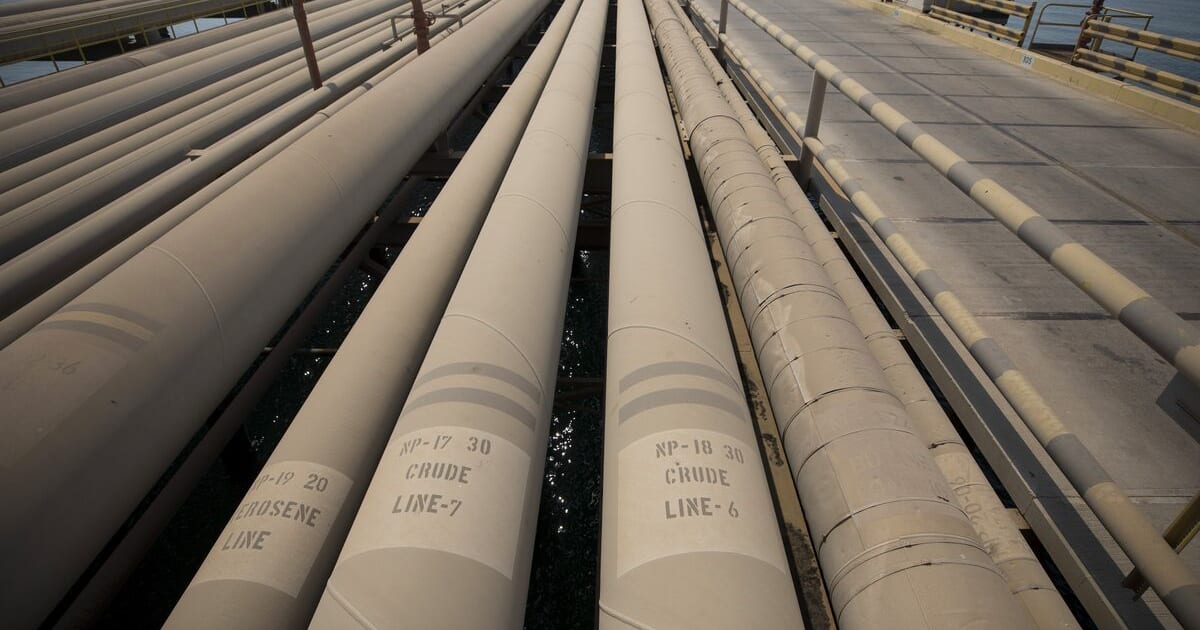
As Saudi Arabia slashes crude export prices to Asia for the second consecutive month, Indian Oil Marketing Companies (OMCs) are poised for significant margin recovery. We analyze the macro ripple effects on India’s import bill, sector-specific winners, and the underlying geopolitical risks that could derail this bullish trend.
The Strategic Pivot: Decoding Saudi Arabia’s Pricing Strategy
In a move that signals a calculated shift in global energy dynamics, Saudi Arabia has implemented a second consecutive monthly reduction in crude oil export prices for Asian buyers. For an import-dependent economy like India, which sources over 80% of its crude requirements from international markets, this is not merely a headline—it is a macroeconomic stabilizer.
The decision by Saudi Aramco reflects a complex balancing act: maintaining market share in the face of rising non-OPEC supply while navigating the softening demand outlook in key Asian hubs. For the Indian investor, this development acts as a decompression valve for the country’s Current Account Deficit (CAD), which has historically been the primary pressure point for the Indian Rupee (INR) and, by extension, the RBI’s monetary policy trajectory.
How will Saudi oil price cuts impact India's inflation and stock market?
The correlation between crude prices and the Indian equity market is profound. Historically, during the 2022 energy crisis, the Nifty 50 experienced significant volatility as soaring import bills drained forex reserves and forced the RBI into an aggressive rate-hike cycle. Today, the marginal easing of these costs provides a dual benefit: it curbs the ‘imported inflation’ component of the CPI and enhances the operational margins of downstream entities.
When crude prices drop, the 'under-recovery' burden on state-run oil marketing companies is significantly reduced. This allows for greater pricing flexibility and, crucially, improves the bottom-line profitability of firms that have been squeezed by high input costs and retail price caps. We are looking at a potential expansion in gross refining margins (GRMs) that could support earnings growth for the next two quarters.
Sectoral Impact: Who Wins and Who Loses?
The energy value chain in India is bifurcated. While downstream players benefit from lower input costs, the upstream sector faces a more nuanced reality.
- Downstream (OMCs): Indian Oil Corporation (IOCL), Bharat Petroleum (BPCL), and Hindustan Petroleum (HPCL) are the primary beneficiaries. Lower crude prices translate directly into higher net marketing margins.
- Input-Sensitive Sectors: Paint manufacturers (Asian Paints, Berger Paints) and Tyre manufacturers (MRF, Apollo Tyres) rely heavily on crude-based derivatives. A sustained price decline provides a massive relief to their raw material cost baskets.
- Aviation: For companies like InterGlobe Aviation (IndiGo), fuel accounts for nearly 40% of operating expenses. Lower prices act as an immediate catalyst for margin expansion.
- Upstream (Losers): ONGC and Oil India face realization pressure. As government-mandated price realization mechanisms often peg domestic crude prices to international benchmarks, a lower global price directly hits their revenue per barrel.
Stock-by-Stock Breakdown: The Investment Playbook
1. Bharat Petroleum Corp Ltd (BPCL)
With a market cap of approximately ₹1.3 lakh crore, BPCL is our top pick in the OMC space. Its high reliance on retail fuel sales makes it a pure play on the margin recovery narrative. With a P/E ratio trading below its historical mean, the current price cuts offer an attractive entry point for long-term value investors.
2. Reliance Industries (RIL)
RIL remains a complex entity. While its O2C (Oil-to-Chemicals) business faces pressure from lower realizations, its massive downstream refining capacity allows it to capture the 'crack spread' benefit. RIL is a 'hold' for those seeking stability, given its pivot toward green energy and retail.
3. InterGlobe Aviation (IndiGo)
IndiGo, with its dominant market share, is the most efficient way to play the aviation recovery. Lower ATF prices directly boost its EBITDAR margins. Investors should watch for the 200-day moving average as a key support level for accumulation.
4. ONGC
ONGC is a 'sell' or 'avoid' in this specific scenario. The company’s revenue is highly sensitive to Brent crude prices. With the government likely to maintain windfall taxes, the upside for ONGC remains capped despite its robust dividend yield.
Expert Perspective: Bulls vs. Bears
The Bull Case: Proponents argue that we are entering a period of 'Goldilocks' energy pricing—low enough to stimulate demand and curb inflation, but high enough to remain profitable for producers. They point to the improving CAD as a signal for FII inflows into India.
The Bear Case: Skeptics, however, warn that Saudi’s price cuts are a sign of systemic weakness in global demand. If the global economy enters a hard landing, oil prices may crash—but the broader market sentiment would likely deteriorate, leading to a 'risk-off' environment that would drag down even the beneficiary sectors.
Risk Matrix: Assessing the Volatility
| Risk Factor | Probability | Impact |
|---|---|---|
| Geopolitical Escalation (Middle East) | Medium | High |
| Global Recession Triggering Demand Collapse | Low | Medium |
| Currency Volatility (USD/INR) | High | Medium |
What to Watch Next
Investors must monitor the monthly OPEC+ production quota meetings. Any deviation from current supply targets will be the primary driver of price action. Additionally, keep a close watch on the RBI’s next MPC meeting minutes; any mention of 'imported inflation' will directly signal how the central bank views the current trend in oil prices. The next quarterly earnings reports for OMCs will be the final validation of whether these price cuts are translating to the bottom line as expected.
Disclaimer: This content is generated by WelthWest Research Desk based on publicly available reports and is for informational purposes only. It does not constitute financial advice, investment recommendations, or an offer to buy or sell securities. Always consult a qualified financial advisor before making investment decisions.


