Key Takeaway
The tokenization of Real-World Assets (RWA) has officially entered the public markets. For Indian investors, this signals an inevitable shift toward blockchain-based securities settlement, forcing legacy depositories and brokers to either innovate or face obsolescence.
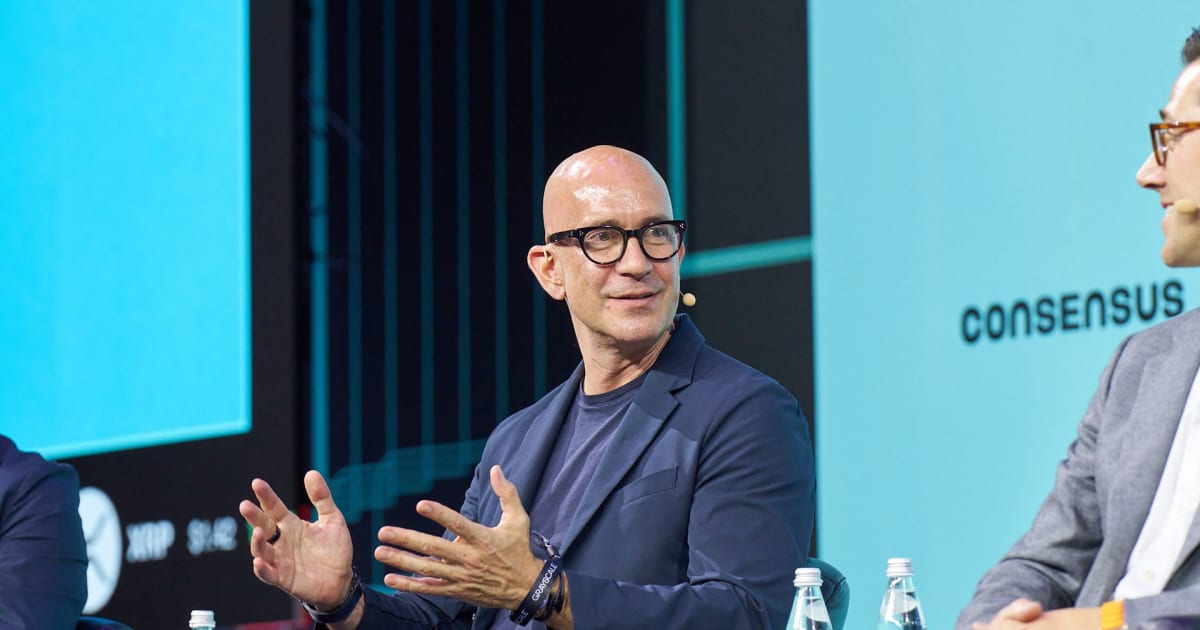
Securitize’s successful shareholder vote for an NYSE SPAC merger signals that tokenized finance is moving from the fringes to the institutional core. We analyze how this global shift will disrupt the Indian financial architecture and which NSE/BSE stocks are positioned to lead or lag in this transition.
The Institutionalization of Tokenized Assets: A Global Milestone
The recent shareholder approval for Securitize to go public via a Special Purpose Acquisition Company (SPAC) merger on the New York Stock Exchange (NYSE) is not merely a financial transaction; it is a structural inflection point for global capital markets. By bridging the gap between blockchain-based Real-World Assets (RWA) and traditional public exchange infrastructure, Securitize is setting a blueprint for the future of securities issuance, custody, and settlement.
For decades, the financial plumbing of the world—clearing, settlement, and custody—has relied on antiquated, centralized databases. The transition toward distributed ledger technology (DLT) promises to compress settlement cycles from T+2 to near-instantaneous, drastically reducing collateral requirements. As Securitize prepares for its NYSE debut, the spotlight shifts to how traditional market regulators in India, specifically SEBI and the RBI, will respond to the global mandate for digitized financial instruments.
How will the Securitize NYSE debut impact Indian market infrastructure?
The integration of tokenized assets into the NYSE ecosystem creates a 'regulatory arbitrage' pressure point. As global liquidity begins to flow toward tokenized private equity, debt, and real estate, Indian financial institutions will face mounting pressure to modernize. Historically, when global market structures shift—such as the adoption of electronic trading in the early 2000s—the Indian market typically lags by 18–36 months before implementing a localized framework. However, the speed of RWA adoption suggests this window is shrinking.
The Indian market, characterized by high retail participation and a robust digital stack (UPI, India Stack), is uniquely positioned to leapfrog legacy systems. However, the current regulatory stance remains cautious, with the RBI maintaining a restrictive view on crypto-linked assets. The Securitize IPO serves as a 'stress test' for global appetite; if the entity sustains valuation post-merger, it will likely accelerate the dialogue within the GIFT City (Gujarat International Finance Tec-City) to permit tokenized asset trading for non-resident investors.
Stock-by-Stock Breakdown: Who Wins and Who Loses?
The shift toward tokenization poses a classic 'innovator's dilemma' for Indian financial behemoths. Below is a breakdown of the primary entities affected:
- BSE Ltd (BSE): As an exchange, BSE is a primary beneficiary if it manages to build a 'Sandbox' for tokenized securities. With a P/E ratio currently hovering near 55x, the market is pricing in significant growth. If BSE pivots to offer blockchain-based clearing for tokenized bonds, it could capture a massive fee-based revenue stream.
- CDSL (Central Depository Services Ltd): CDSL is the most vulnerable. Its entire business model rests on acting as the centralized custodian of physical/dematerialized securities. If RWA tokenization moves to decentralized or private ledgers, CDSL’s role as the 'sole source of truth' faces existential disruption. Investors should watch for a shift in their service layer toward blockchain-based custody.
- Angel One (ANGELONE): As a tech-first broker, Angel One is best positioned to integrate tokenized asset trading into its platform. Their ability to cross-sell tokenized debt or fractional real estate to their massive retail base could significantly boost their Average Revenue Per User (ARPU).
- Motilal Oswal Financial Services (MOTILALOFS): Given their heavy focus on wealth management and asset management, they are a primary candidate to tokenize their own mutual fund products. Transitioning to an RWA-based model could lower their operational costs by 15–20% by eliminating intermediary fees in secondary market operations.
Expert Perspective: The Bull vs. Bear Case
The Bull Argument: Bulls argue that Securitize’s move is the 'Netscape moment' for finance. They contend that the efficiency gains—lower settlement costs, 24/7 liquidity, and fractional ownership—are too great to ignore. Once the regulatory 'green light' is given, we expect a rapid migration of $500B+ of private assets onto tokenized rails.
The Bear Argument: Skeptics point to the 2022 SPAC boom, where speculative entities saw their valuations collapse by 80%+ within 18 months. They argue that tokenized assets face a 'liquidity trap'—without a massive, established secondary market, these assets become illiquid, defeating the primary purpose of tokenization. Furthermore, they note that Indian regulatory hurdles (PMLA and FATF compliance) remain a significant barrier that could stifle local innovation for years.
Actionable Investor Playbook
Investors should adopt a 'barbell' strategy regarding the RWA transition:
- Watch the GIFT City developments: This is the regulatory laboratory. Any policy shift here is a leading indicator for the broader Indian market.
- Monitor Tech-Forward Brokers: Accumulate positions in brokers with high R&D spend (like Angel One) rather than traditional, slow-moving legacy players.
- Wait for the 'Volatility Premium': Post-merger, SPACs often face initial volatility. Avoid the hype-driven entry; wait for the first quarterly earnings release to assess the actual adoption rate of their tokenization services.
Risk Matrix
| Risk | Probability | Impact |
|---|---|---|
| Regulatory Crackdown (RBI/SEBI) | High | Severe |
| Technological Failure/Smart Contract Hack | Medium | High |
| Low Institutional Adoption of RWAs | Medium | Medium |
| SPAC Valuation Collapse | High | Medium |
What to Watch Next
The next 90 days are critical. Keep a close watch on: (1) The official NYSE ticker launch date for Securitize, which will serve as the sector benchmark. (2) SEBI’s periodic consultative papers on 'Digital Assets and Custody,' which are expected to be released in the coming quarters. (3) GIFT City pilot programs involving major Indian banks (like HDFC or ICICI) and their exploration of blockchain-based bond issuance. These catalysts will dictate whether the RWA trend in India is a structural shift or a speculative bubble.
Disclaimer: This content is generated by WelthWest Research Desk based on publicly available reports and is for informational purposes only. It does not constitute financial advice, investment recommendations, or an offer to buy or sell securities. Always consult a qualified financial advisor before making investment decisions.