Key Takeaway
The global semiconductor correction signals a shift from AI-fueled optimism to valuation discipline, putting pressure on Indian IT margins and high-beta tech stocks. Investors should pivot toward domestic defensive plays as global liquidity tightens.
The massive sell-off in global semiconductor stocks has triggered a reality check for the AI-led rally. For the Indian market, this means increased volatility for IT giants and EMS players as valuation premiums begin to shrink. We break down the winners, losers, and the critical levels to watch.
The AI Bubble or a Necessary Cooling? Why Semiconductor Stocks are Bleeding
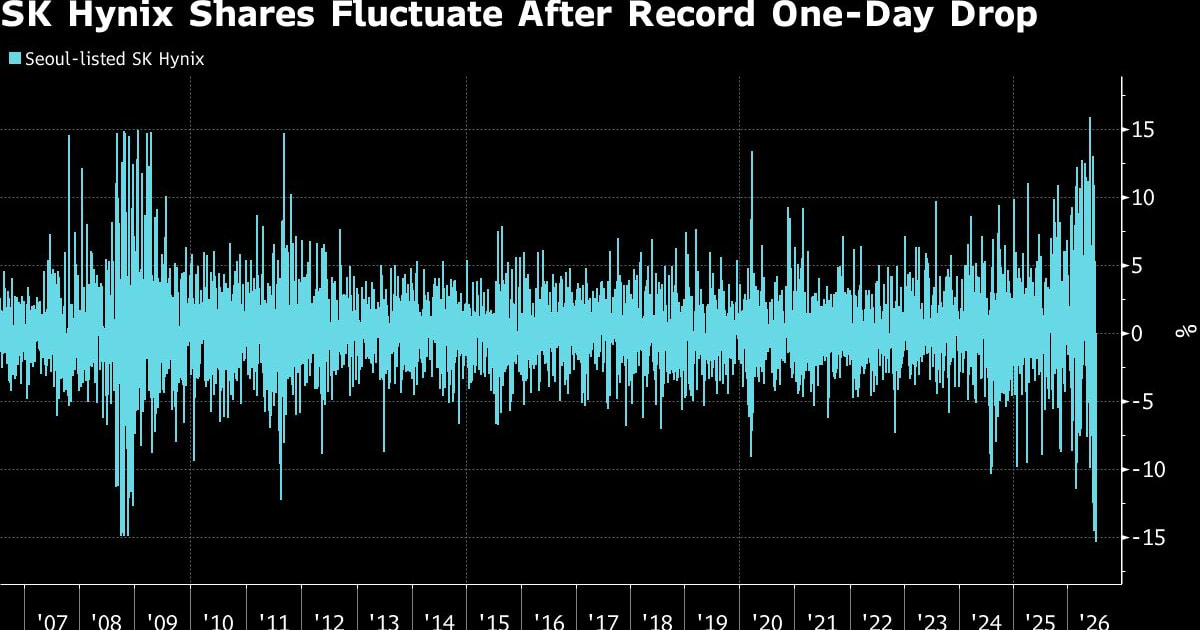
For the past eighteen months, the semiconductor sector has been the undisputed engine of global equity markets. Driven by the insatiable demand for AI-ready chips, valuations hit stratospheric levels. But the music has stopped, or at least, the tempo has drastically slowed. We are currently witnessing a global semiconductor correction that is sending shockwaves from the Nasdaq to Dalal Street.
The core issue isn't just about chip supply; it’s about a valuation re-rating. Investors are finally asking the hard question: when will the massive capital expenditure on AI translate into tangible bottom-line growth? As the answer remains elusive, the "froth" is being scrubbed off the sector, and the ripple effects are slamming into the Indian IT services landscape.
The Ripple Effect: How Global Tech Spending Hits Dalal Street
The Indian IT sector has long been the primary beneficiary of global digital transformation budgets. However, when US semiconductor firms see their valuations slashed, it reflects a broader cooling in corporate tech spending. If the "picks and shovels" of the AI revolution—the chipmakers—are struggling, the software consultants and service providers are next in line for budget cuts.
For Indian IT majors, this is a double whammy. First, we are seeing a potential contraction in discretionary spending from global clients. Second, the FII (Foreign Institutional Investor) outflow is real. As global risk appetite wanes, high-beta tech stocks in India are often the first to be liquidated to raise cash, leading to a systemic correction in the Nifty IT index.
Winners and Losers: Navigating the Sector Rotation
In this market environment, the strategy shifts from "growth at any price" to "safety at a reasonable price."
The Losers:
- Global IT Services (TCS, INFY, HCLTECH, WIPRO): Expect margin pressure as clients delay project renewals. These stocks are currently priced for perfection, and any earnings miss will be punished severely.
- EMS Providers (DIXON, KAYNES): While the long-term "China Plus One" story remains intact, these stocks are highly sensitive to global electronics demand. A slowdown in semiconductor supply chains directly impacts their order book velocity.
The Winners:
- Defensive Sectors (FMCG, Pharma): When tech volatility rises, capital seeks shelter. Consumption-driven stocks provide the stability that growth-starved investors are currently craving.
- Domestic Consumption Plays: As global macro headwinds grow, companies focused on the Indian domestic story—rather than export-led revenue—are likely to see better price stability.
Investor Insight: What to Watch Next
The "AI-is-everything" narrative is being replaced by a "show me the money" reality. As an investor, you need to watch the earnings guidance from US tech giants closely. If they begin to trim their cloud and AI infrastructure spend, Indian IT firms will inevitably follow suit with downward revisions in their own growth targets.
Monitor the FII flows into Indian mid-caps. If the selling pressure intensifies, it will provide a massive entry point for high-quality stocks that have been beaten down by sentiment rather than fundamentals. Don't panic, but do recognize that the era of easy, momentum-driven tech gains is on hiatus.
The Risks: Why This Could Get Worse
The biggest risk here is a systemic liquidity crunch. If the US semiconductor correction leads to a broader drawdown in global indices, the "contagion" effect will be unavoidable. Indian markets, which have been trading at a premium compared to their emerging market peers, may see a sharp correction if foreign liquidity dries up. Keep a close eye on the 10-year US Treasury yields; a sustained spike there will only accelerate the rotation out of tech and into safer, yield-bearing assets.
The bottom line: Keep your portfolio balanced. If you are overweight on IT, consider trimming positions to lock in gains or hedge with defensive sectors that offer consistent cash flows regardless of what happens in the semiconductor chip market.
Disclaimer: This content is generated by WelthWest Research Desk based on publicly available reports and is for informational purposes only. It does not constitute financial advice, investment recommendations, or an offer to buy or sell securities. Always consult a qualified financial advisor before making investment decisions.