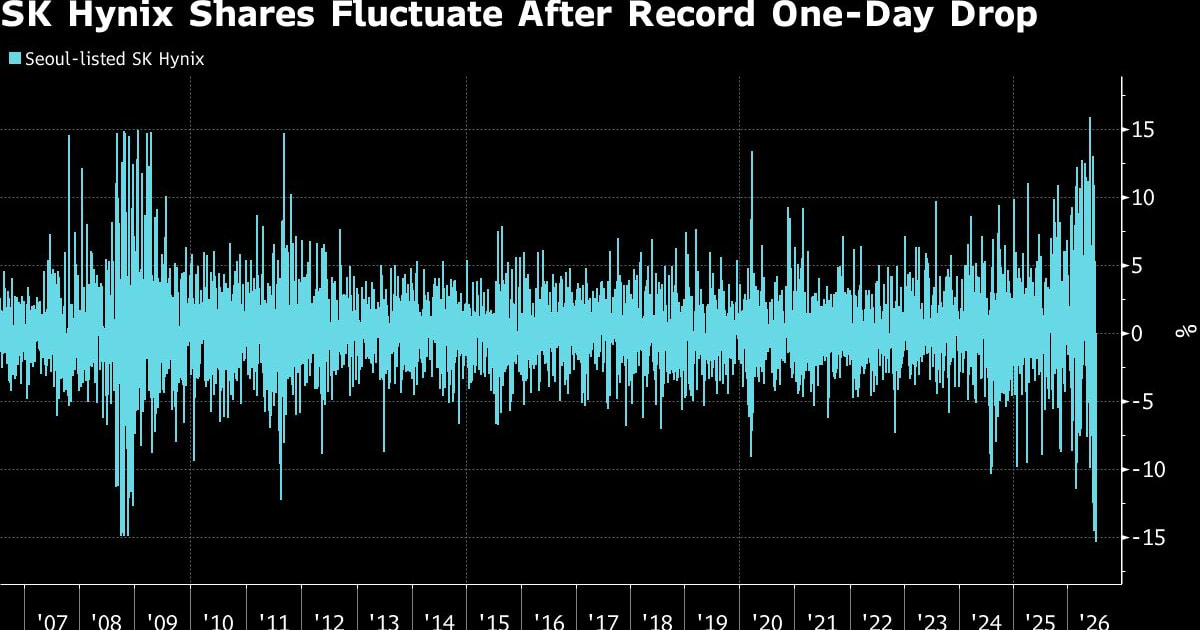
Key Takeaway
CSOP Asset Management’s decision to lift options caps on SK Hynix-linked funds confirms institutional conviction in the HBM super-cycle. For Indian investors, this isn't just about chips—it’s a structural tailwind for the domestic EMS and semiconductor-design ecosystem.
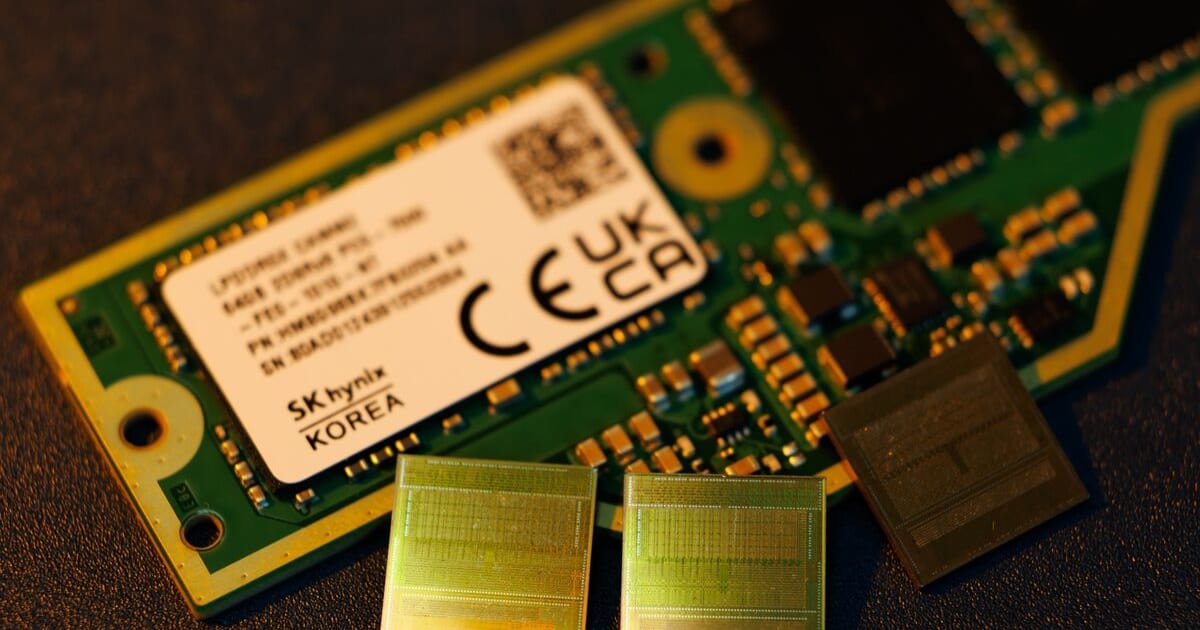
CSOP's move to enhance leverage flexibility for SK Hynix-linked ETFs underscores massive global demand for High Bandwidth Memory (HBM). This development acts as a leading indicator for the Indian semiconductor value chain, favoring companies entrenched in hardware engineering and electronics manufacturing services.
The Semiconductor Super-Cycle: Decoding the CSOP Strategic Pivot
In a move that has sent ripples through global capital markets, CSOP Asset Management has expanded options flexibility for its SK Hynix-leveraged ETF. While seemingly a niche instrument adjustment, this decision signals a profound institutional shift: the 'smart money' is betting on the sustained, high-volatility growth of High-Bandwidth Memory (HBM). HBM is the critical plumbing for generative AI, and SK Hynix remains the primary supplier to industry titans like NVIDIA.
For the Indian investor, this is not merely a story about a foreign ETF. It is a bellwether for the semiconductor super-cycle. As global demand for AI-ready hardware surges, the downstream impact on India’s Electronics Manufacturing Services (EMS) and semiconductor design sectors is becoming increasingly tangible. We are witnessing a transition from software-led IT services to a hardware-integrated model where valuation premiums will accrue to those with physical engineering prowess.
How does the global chip rally impact Indian IT and EMS stocks?
The correlation between global semiconductor capital expenditure (CapEx) and Indian tech valuations has historically been lagged, but that delay is compressing. During the 2022 chip supply crunch, the Nifty IT index saw a significant decoupling as domestic firms struggled to adapt to hardware-centric demand. Today, the landscape is different. Indian firms are no longer just maintenance providers; they are core partners in the semiconductor value chain.
The CSOP move suggests that market makers are preparing for higher amplitude swings in chip stock prices. When volatility expectations rise in the semiconductor space, capital flows into the broader tech ecosystem. For India, this translates to increased order books for firms involved in PCB assembly, system design, and specialized chip-testing services. We expect the current cycle to favor firms with a P/E ratio that reflects growth, rather than the stagnant valuation models of legacy IT.
Stock-by-Stock Breakdown: Which Indian Firms Win?
The semiconductor super-cycle creates a clear bifurcation in the Indian tech market. We are tracking four key players positioned to capture the hardware tailwind:
- Dixon Technologies (NSE: DIXON): As the leader in EMS, Dixon is the primary beneficiary of the 'China + 1' strategy. With their aggressive expansion into mobile and home appliance manufacturing, they are the go-to partner for global brands localizing their supply chains.
- Kaynes Technology (NSE: KAYNES): Kaynes is a specialized player in the IoT and industrial electronics space. Their focus on high-mix, low-volume manufacturing makes them a critical node for semiconductor-heavy industrial applications.
- HCL Technologies (NSE: HCLTECH): HCL has successfully pivoted toward engineering and R&D (ER&D) services. With their acquisition of semiconductor design capabilities, they are uniquely positioned to assist global chipmakers in tape-out processes and verification.
- Cyient (NSE: CYIENT): A pure-play in the ER&D space, Cyient’s expertise in chip design and layout optimization is in high demand as HBM architectures become more complex.
- Tata Elxsi (NSE: TATAELXSI): Their focus on automotive electronics and AI-integrated systems allows them to capture the high-margin end of the semiconductor usage cycle.
The Expert View: Bulls vs. Bears
The Bull Case: Proponents argue that we are in the 'early innings' of an AI-driven hardware revolution. The CSOP ETF move is a precursor to increased liquidity in the sector, which will force institutional investors to rebalance their portfolios toward firms that provide the physical infrastructure for AI. For India, this means a multi-year trend of margin expansion in EMS and design-led services.
The Bear Case: Skeptics point to the inherent risks of leveraged instruments. By increasing the options cap, CSOP is essentially inviting more speculative volatility. If the HBM demand cycle hits a bottleneck—perhaps due to a supply glut or a cooling in AI spending—the sell-off will be rapid and indiscriminate. Bears argue that Indian stocks, currently trading at stretched P/E multiples, are vulnerable to such a sentiment-driven correction.
Actionable Investor Playbook: Navigating the Volatility
Investors should avoid chasing parabolic rallies in the EMS sector. Instead, focus on companies with high-margin ER&D contracts and diversified revenue streams. We recommend a 'Buy on Dips' strategy for firms with a P/E under 50x that have demonstrated a consistent ability to grow their hardware-design revenue share over the last four quarters.
Time Horizon: 18-24 months. This is a structural shift, not a quarterly earnings play.
Risk Matrix
| Risk | Probability | Impact |
|---|---|---|
| Semiconductor Supply Glut | Moderate | High |
| Regulatory Crackdown on Leveraged ETFs | Low | Medium |
| Valuation De-rating in Indian Midcaps | High | High |
What to Watch Next
The immediate catalysts to monitor include the upcoming quarterly results from global semiconductor giants, which will provide a read-through for Indian ER&D firms. Additionally, keep a close eye on the Union Government's updates regarding the semiconductor PLI (Production Linked Incentive) scheme. Any policy-driven boost to local wafer fabrication or assembly will be the final piece of the puzzle to sustain the current bullish sentiment in the Indian tech sector.
Disclaimer: This content is generated by WelthWest Research Desk based on publicly available reports and is for informational purposes only. It does not constitute financial advice, investment recommendations, or an offer to buy or sell securities. Always consult a qualified financial advisor before making investment decisions.