Key Takeaway
SoftBank's colossal $87.5 billion investment in French AI infrastructure is a watershed moment, reorienting global capital towards AI compute. This seismic shift is poised to ignite unprecedented demand for India's IT services sector, particularly in cloud integration and AI deployment, potentially revaluing domestic tech giants.
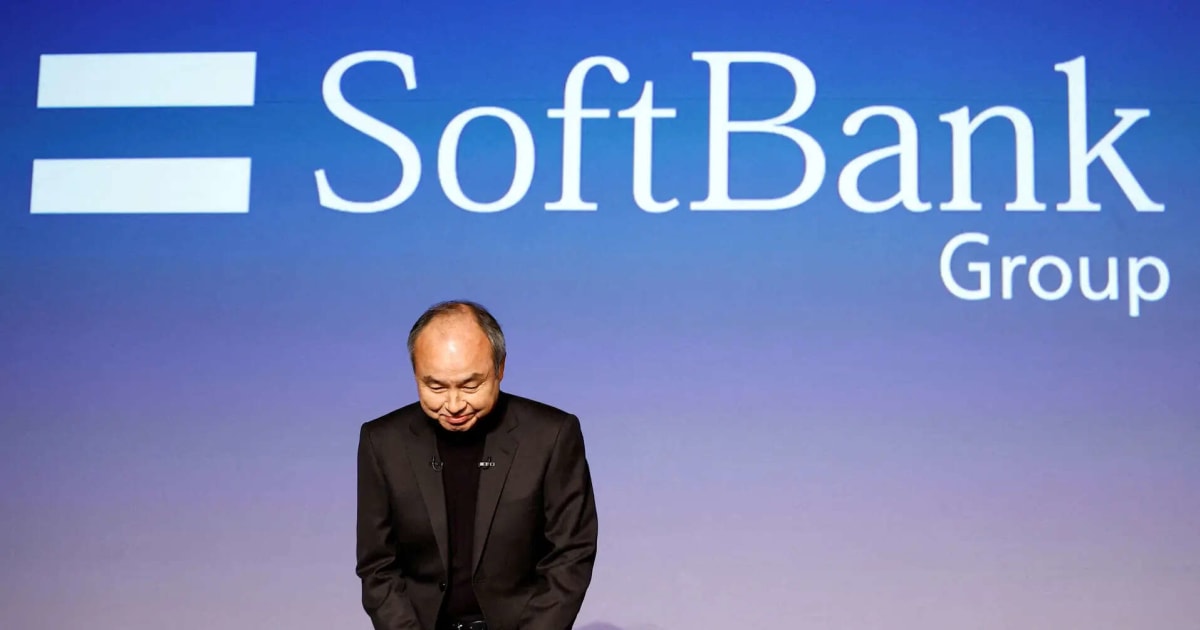
The global AI landscape is being reshaped by SoftBank's staggering $87.5 billion commitment to AI infrastructure in France. This move signals a monumental capital reallocation towards AI compute, with profound implications for India's technology ecosystem. Indian IT services firms specializing in AI and cloud integration are exceptionally well-positioned to capitalize on this burgeoning demand.
SoftBank's $87.5 Billion AI Infrastructure Gamble: A New Era for Global Compute and Indian IT Dominance
In a move that reverberates across global technology and investment circles, SoftBank has announced a breathtaking $87.5 billion commitment to build artificial intelligence (AI) infrastructure, primarily in France. This monumental investment is far more than a regional development; it represents a profound recalibration of capital allocation worldwide, placing AI compute infrastructure at the absolute epicenter of future technological growth. For India, this announcement acts as a powerful validation of its 'AI-first' investment thesis, promising to accelerate domestic data center expansion and dramatically increase the demand for Indian IT services firms adept at managing the complex integration and deployment of AI solutions.
Why This $87.5 Billion AI Investment Matters Now
The sheer scale of SoftBank's pledge underscores a critical inflection point in the AI revolution. Previously, the focus was predominantly on AI model development and software applications. However, the insatiable appetite for processing power required to train and run these sophisticated AI models has exposed a gaping bottleneck: AI compute infrastructure. This encompasses high-performance computing hardware, massive data centers, and the intricate power and cooling systems that sustain them. SoftBank's decision to deploy such a vast sum directly into this foundational layer signals a strategic bet that the real value creation in the coming decade will stem from the physical and digital architecture that powers AI. This investment sets a new, elevated benchmark for valuations in the AI hardware and data center sectors, influencing how investors perceive and price companies across the entire AI value chain. The timing is crucial; as AI adoption accelerates across industries, the demand for dedicated, high-capacity compute resources is outstripping supply, making infrastructure a critical enabler of progress. This isn't just about building more servers; it's about creating the digital bedrock for the next wave of innovation.
The Seismic Impact on the Indian Stock Market: From Compute to Cloud Integration
The implications for India's burgeoning IT sector are profound and multifaceted. SoftBank's commitment directly fuels the global demand for AI compute, which, in turn, necessitates a robust ecosystem of services to manage, integrate, and optimize these cutting-edge technologies. This is precisely where Indian IT services giants shine. Companies with deep expertise in cloud computing, data analytics, AI implementation, and digital transformation are set to experience a surge in demand for their capabilities. The 'AI-first' narrative, long championed by Indian IT leaders, is now receiving a massive global endorsement, likely translating into accelerated capital expenditure (capex) by domestic data center operators and a heightened need for specialized IT talent. We can anticipate a ripple effect, where increased demand for AI infrastructure globally will necessitate greater investment in cloud services and managed IT solutions, areas where Indian firms hold a competitive edge. This mirrors historical trends where significant technological shifts, such as the cloud migration wave of the late 2010s, led to substantial reratings of IT service providers that demonstrated agility and foresight. For instance, during the peak cloud adoption phase around 2017-2018, the Nifty IT index saw significant rallies as companies successfully pivoted their service offerings.
Furthermore, the global push for AI infrastructure will likely spur domestic data center REITs (Real Estate Investment Trusts) and related infrastructure providers. The need for secure, high-capacity, and energy-efficient data storage and processing facilities will drive significant investment. Companies involved in power generation, advanced cooling technologies, and robust network connectivity will also find themselves in high demand. This broad-based demand across the AI infrastructure spectrum creates a fertile ground for Indian companies that are either directly involved in these areas or provide critical support services. The focus will shift from traditional IT outsourcing to high-value, specialized services that enable the deployment and scaling of AI applications, thereby justifying higher valuations and revenue multiples.
Who Stands to Benefit and Who Faces Headwinds?
The primary beneficiaries of this AI infrastructure boom are clear: global AI infrastructure providers, including chip manufacturers and server vendors, will see an immediate uplift. Closer to home, Indian IT services companies with established cloud and AI integration practices will be the principal beneficiaries. Their ability to manage complex cloud migrations, implement AI solutions for enterprises, and provide ongoing managed services for AI-powered systems positions them to capture a significant share of this expanding market. Data center REITs and companies providing essential power and cooling infrastructure will also experience heightened investor interest and operational demand. Conversely, traditional legacy IT outsourcing firms that have been slow to adapt to the AI and cloud paradigm may face increasing pressure. Companies burdened by high debt levels and lacking a clear, actionable AI roadmap are also at a distinct disadvantage, as capital will increasingly flow towards those poised to leverage the AI revolution.
The AI Infrastructure Wave: How It Will Impact Key Indian IT Stocks
The SoftBank announcement sends a strong bullish signal across the Indian IT sector, particularly for companies with strong cloud, AI, and digital transformation capabilities. Investors should closely monitor the following NSE/BSE listed entities:
- Tata Consultancy Services (TCS) (NSE: TCS): As India's largest IT services firm, TCS is exceptionally well-positioned to benefit. Its extensive experience in cloud migration, enterprise AI solutions, and its vast global delivery network make it a prime candidate to secure large-scale AI integration projects. TCS's recent focus on generative AI capabilities and its partnerships with major cloud providers are strategic advantages. With a market capitalization exceeding ₹14 lakh crore and a P/E ratio that has historically traded at a premium, TCS is expected to see continued demand for its comprehensive suite of services as global enterprises rush to adopt AI.
- Infosys (NSE: INFY): Infosys has been actively investing in its AI and cloud offerings, including its dedicated AI business unit. The company's strong relationships with global enterprises and its proven track record in digital transformation projects make it a significant potential beneficiary. Infosys's ability to offer end-to-end AI solutions, from strategy to implementation and managed services, will be crucial. Its market cap, hovering around ₹6.5 lakh crore, and a P/E ratio that reflects its growth potential, suggest it's a key player to watch.
- Wipro (NSE: WIPRO): Wipro has been strategically enhancing its AI and cloud capabilities, notably through acquisitions and partnerships. The company's focus on industry-specific AI solutions and its expanding digital transformation services align perfectly with the emerging demand. Wipro's market capitalization, around ₹2.5 lakh crore, and its P/E ratio offer an attractive entry point for investors looking to gain exposure to the AI infrastructure services boom.
- HCL Technologies (NSE: HCLTECH): HCLTech has a strong portfolio in cloud services and is increasingly emphasizing its AI and analytics capabilities. The company's ability to deliver complex, technology-driven solutions makes it a strong contender for AI infrastructure-related projects. Its market cap of approximately ₹3.5 lakh crore and a competitive P/E ratio position it well to capitalize on this trend.
- LTIMindtree (NSE: LTIM): This merged entity brings together L&T Infotech's strong digital capabilities and Mindtree's expertise in cloud and AI. The combined strength provides a formidable offering for enterprises looking to leverage AI infrastructure. With a market cap around ₹1.5 lakh crore, LTIMindtree is poised to be a significant player in the AI integration space, offering specialized services.
- Tata Communications (NSE: TATACOMM): While not a pure IT services firm, Tata Communications plays a critical role in the underlying infrastructure. Its robust global network, data center services, and growing cloud connectivity solutions are essential for supporting AI infrastructure. As AI compute demands increase, the need for high-bandwidth, low-latency connectivity and secure data center facilities will drive demand for Tata Communications' services. Its market cap, around ₹50,000 crore, and its pivotal role in enabling digital infrastructure make it an indirect but crucial beneficiary.
Expert Perspectives: Bulls vs. Bears on the AI Infrastructure Frontier
The bullish case is compelling: SoftBank's massive capital deployment validates the immense future demand for AI compute and the services that support it. Bulls argue that this move will accelerate the entire AI ecosystem, leading to sustained, high-margin growth for IT services firms that can adapt and innovate. They point to the transformative potential of AI across all industries, suggesting that the current demand is just the tip of the iceberg. This capital infusion acts as a catalyst, de-risking future investments and encouraging further innovation in the AI infrastructure space.
Conversely, bears raise valid concerns. They caution that such large-scale capital expenditure could lead to an oversupply of data center capacity in certain regions, potentially compressing margins in the long run. Regulatory hurdles in Europe, particularly concerning data privacy and foreign investment, could also delay project execution and introduce uncertainty. Furthermore, bears might argue that the true value lies in AI software and applications, and that infrastructure is merely a cost center, albeit a necessary one. They might also highlight the cyclical nature of hardware investments and the potential for rapid technological obsolescence, questioning the long-term sustainability of such massive infrastructure bets.
An Investor's Playbook for the AI Infrastructure Boom
For investors seeking to capitalize on this AI infrastructure wave, a strategic and phased approach is recommended:
- Buy: Focus on well-established Indian IT services companies with proven AI and cloud integration capabilities. TCS, Infosys, and HCL Technologies represent strong core holdings. Consider LTIMindtree for its specialized digital offerings. Tata Communications is a strategic play on enabling infrastructure.
- Watch: Keep an eye on smaller, niche players that are developing specialized AI hardware components or advanced cooling solutions, though these may carry higher risk. Also, monitor global semiconductor and infrastructure hardware companies that supply the underlying components.
- Sell/Avoid: Companies with significant exposure to legacy IT services, lacking a clear AI strategy, or carrying substantial debt without a robust growth plan should be approached with extreme caution. Traditional IT hardware manufacturers that haven't pivoted to AI-specific solutions may also face headwinds.
- Entry Points: Look for tactical dips in the stock prices of the recommended IT majors. While the sentiment is bullish, market volatility can present opportunities. Consider dollar-cost averaging into these positions over the next 6-12 months.
- Time Horizon: This is a multi-year investment theme. The full impact of AI infrastructure build-out will unfold over the next 3-5 years, making it a medium to long-term play.
The Risk Matrix: Navigating Potential Pitfalls
While the outlook is overwhelmingly positive, investors must be aware of the inherent risks:
- Risk 1: Data Center Oversupply (Probability: Medium-High): The rapid build-out of AI infrastructure, driven by significant capital, could lead to an oversupply of data center capacity in certain key markets. This could pressure rental yields for REITs and impact the profitability of data center operators, potentially affecting the revenue streams for IT service providers dependent on these facilities.
- Risk 2: Regulatory Scrutiny in Europe (Probability: Medium): European regulators are increasingly focused on data sovereignty, AI ethics, and foreign investment in critical infrastructure. SoftBank's significant European investment could face delays or stringent conditions, impacting the pace of project execution and potentially increasing compliance costs.
- Risk 3: Talent Shortage and Wage Inflation (Probability: High): The demand for specialized AI and cloud talent is already fierce. A massive surge in AI infrastructure projects will exacerbate this shortage, leading to higher recruitment costs and wage inflation for IT service firms, potentially impacting their margins if not managed effectively through automation and training.
- Risk 4: Geopolitical Instability (Probability: Low-Medium): Large-scale infrastructure projects are susceptible to geopolitical shifts, trade disputes, and supply chain disruptions, particularly for hardware components. Any escalation of global tensions could impact project timelines and costs.
What to Watch Next: Catalysts for the AI Infrastructure Story
Investors should closely monitor several key developments:
- Quarterly Earnings Calls: Pay close attention to management commentary from major Indian IT firms regarding their AI pipeline, deal wins related to AI infrastructure services, and revenue growth from cloud and digital segments. Specific mentions of large AI-driven projects will be crucial indicators.
- Global AI Hardware and Cloud Provider Announcements: News from companies like NVIDIA, Microsoft Azure, Amazon AWS, and Google Cloud regarding their infrastructure expansion plans and partnerships will provide further validation and insight into the pace of demand.
- European Regulatory Updates: Any pronouncements or policy changes from the European Union regarding AI infrastructure and foreign investment will be critical for assessing the timeline and execution risks associated with SoftBank's plans.
- Domestic Data Center Capex Announcements: Watch for any significant announcements from Indian data center developers and REITs regarding expansion plans, which would indicate a parallel trend in the domestic market.
SoftBank's $87.5 billion AI infrastructure commitment is more than just a headline; it's a tectonic shift that is reshaping the global technology landscape. For India, it represents an unparalleled opportunity to leverage its IT services prowess and solidify its position as a global leader in the AI-driven future.
Disclaimer: This content is generated by WelthWest Research Desk based on publicly available reports and is for informational purposes only. It does not constitute financial advice, investment recommendations, or an offer to buy or sell securities. Always consult a qualified financial advisor before making investment decisions.


