Key Takeaway
SpaceX's mammoth IPO valuation signals a seismic shift in investor appetite towards high-risk, high-reward space ventures. This global validation is poised to inject significant capital and strategic interest into India's burgeoning 'Space-Tech' sector, directly benefiting domestic aerospace and defence manufacturers.
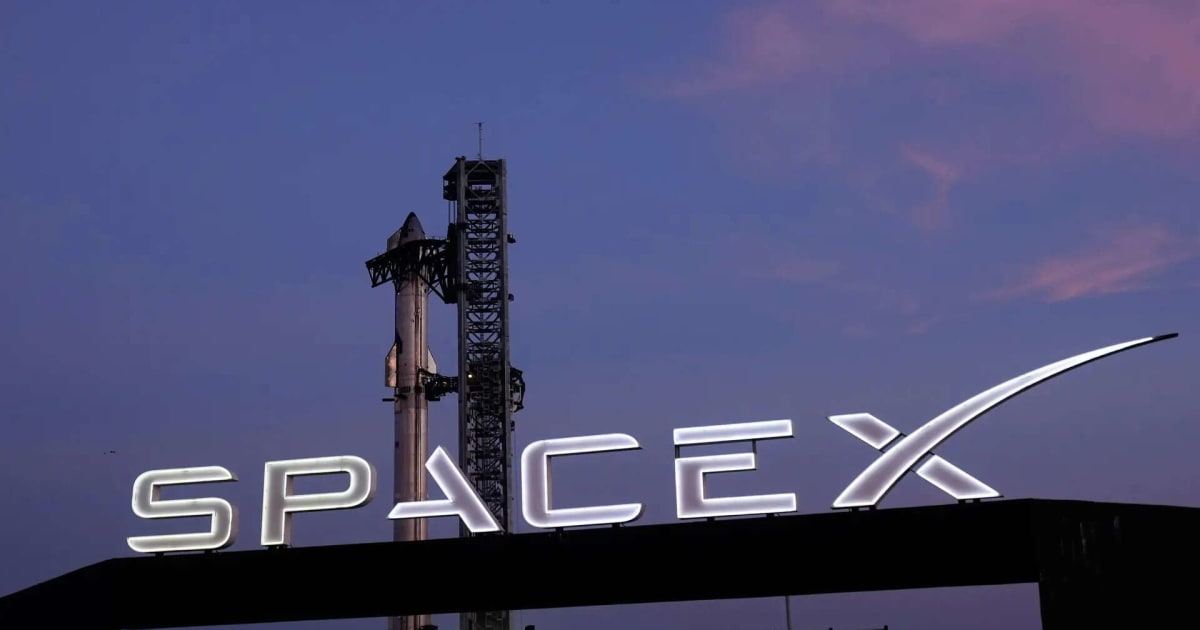
The unprecedented $85.7 billion valuation achieved by SpaceX through its recent IPO exercise marks a pivotal moment for the private space industry. This surge in investor confidence is not confined to global markets; it presents a compelling opportunity for Indian defence and aerospace stocks. We delve into the profound implications for Indian equities, identifying key beneficiaries and potential risks.
SpaceX IPO Ignites Global Space Race: What It Means for Indian Defence Stocks
The sheer magnitude of SpaceX's recent Initial Public Offering (IPO), which soared to an astonishing $85.7 billion valuation following the underwriters' exercise of the greenshoe option, represents far more than just a financial transaction. This event is a powerful endorsement of the burgeoning private space economy, a sector long perceived as the domain of government agencies and visionary billionaires. For global investors, it signifies a dramatic recalibration of risk appetite, with a clear and escalating preference for deep technology and ambitious aerospace ventures. This seismic shift has immediate and profound implications for the Indian stock market, particularly for its rapidly developing defence and aerospace manufacturing ecosystem. The 'Space-Tech' narrative, once nascent, now finds strong validation, promising to accelerate private equity and venture capital interest in Indian Space Research Organisation (ISRO)-linked startups and domestic players involved in cutting-edge aerospace manufacturing.
Why the SpaceX IPO Valuation Matters NOW
The private space sector has been quietly maturing for years, marked by incremental technological advancements and a steady stream of private funding. However, SpaceX's IPO, achieving a valuation that eclipses many established public companies, acts as a powerful catalyst, dramatically amplifying investor perception of the sector's potential. This isn't merely about a single company's success; it's about the de-risking of an entire industry in the eyes of institutional capital. The greenshoe option, allowing underwriters to sell additional shares beyond the initial offering, suggests robust demand, indicating that the $85.7 billion figure might even be a conservative floor for future valuations. This surge in confidence is particularly timely as global geopolitical tensions underscore the strategic importance of space capabilities, from communication and navigation to reconnaissance and defence. Investors are now actively seeking exposure to companies that can leverage this renewed strategic imperative and rapidly advancing technological frontier. The narrative has shifted from 'if' space is a viable investment frontier to 'how quickly' and 'which companies' will capture its immense potential.
Deep Market Impact Analysis: India's Aerospace and Defence Sector on the Cusp of a Boom
The reverberations of SpaceX's IPO success are expected to be acutely felt in India's capital markets, specifically within the defence and aerospace manufacturing sectors. For years, Indian defence stocks have been on a gradual upward trajectory, driven by government initiatives like 'Make in India' and increasing defence budgets. However, the global validation of space as a lucrative investment avenue, epitomized by SpaceX, is poised to provide a significant tailwind. This could lead to a re-rating of Indian defence stocks, pushing valuations higher as investors recognize the sector's alignment with global strategic priorities and its potential for exponential growth. The 'Space-Tech' theme, which encompasses everything from satellite manufacturing and launch services to ground segment operations and data analytics, is now firmly on the radar of both domestic and international investors. Expect a surge in private equity and venture capital interest in ISRO spin-offs and private Indian space startups. Furthermore, established Indian defence players, many of whom have capabilities that are directly transferable or complementary to the space sector, are likely to see enhanced investor attention. Historically, significant global tech IPOs have often preceded a broader sector rally. For instance, the surge in semiconductor stocks following Nvidia's impressive earnings reports in 2022 had a ripple effect across the entire technology hardware manufacturing chain. A similar dynamic is anticipated here, where SpaceX's success could unlock substantial capital for Indian companies involved in precision engineering, advanced materials, and complex system integration – all critical components of the space value chain.
The Indian market's response will likely manifest in several ways:
- Increased Capital Inflow: A greater willingness from both domestic mutual funds and international institutional investors to allocate capital to Indian defence and aerospace companies.
- Valuation Expansion: A potential re-rating of Price-to-Earnings (P/E) multiples for companies demonstrating strong technological capabilities and growth potential in areas relevant to space.
- Startup Ecosystem Growth: An acceleration in funding rounds for Indian 'Space-Tech' startups, fostering innovation and competition.
- Strategic Partnerships: Increased opportunities for Indian manufacturers to engage in joint ventures and supply chain partnerships with global space players.
Who Stands to Benefit? The Winners and Losers in the New Space Era
The SpaceX IPO isn't a zero-sum game; rather, it signals a bifurcation in the market. The primary beneficiaries will be those entities directly or indirectly involved in the burgeoning space economy and its enabling technologies.
- Aerospace and Defence Manufacturing: Companies with established expertise in complex manufacturing, precision engineering, and defence systems are prime candidates. Their existing infrastructure and talent pool can be readily adapted for space applications.
- Satellite Communication Providers: As the demand for high-speed, global internet and data services grows, companies involved in satellite constellation deployment, ground station infrastructure, and satellite data analytics will see significant demand.
- Deep-Tech Venture Capital: Venture capital funds specializing in deep technology, artificial intelligence, robotics, and advanced materials will find fertile ground for investment in the space sector's innovation pipeline.
- Precision Engineering Firms: The stringent requirements of space missions demand unparalleled precision. Firms excelling in complex machining, specialized alloys, and advanced electronics will be highly sought after.
Conversely, the shift towards new space paradigms will inevitably put pressure on legacy business models:
- Traditional Satellite TV Providers: Companies reliant on geostationary satellites for broadcasting will face increasing competition from low-earth orbit (LEO) satellite internet constellations offering higher speeds and lower latency.
- Legacy Aerospace Contractors Failing to Innovate: Older defence contractors that are slow to adapt to new technologies, such as reusable rockets, advanced propulsion systems, and miniaturized satellite components, may find themselves outmaneuvered by more agile competitors.
Stock-by-Stock Breakdown: Indian Equities Poised for Ascent
The implications of SpaceX's valuation surge are direct and tangible for several Indian listed companies. These firms possess the foundational capabilities and strategic positioning to capitalize on the global 'Space-Tech' momentum.
- Hindustan Aeronautics Ltd (HAL): As a behemoth in aerospace manufacturing, HAL's expertise in designing, developing, and manufacturing complex aircraft and their components is directly transferable to space applications. Its established infrastructure and long-standing relationship with government defence projects provide a robust platform. While HAL's primary focus remains defence aviation, its capabilities in structural integrity, systems integration, and advanced materials make it a strong contender for future space program contracts, especially in areas like satellite structures and launch vehicle components. Its current market capitalization and revenue figures, while substantial, could see further re-rating as the market recognizes its latent space potential.
- Bharat Electronics Ltd (BEL): BEL is a critical player in defence electronics, including radar, communication systems, and electronic warfare. These are precisely the types of sophisticated electronic systems required for satellite payloads, ground control stations, and secure space-based communication networks. The company's R&D focus on areas like advanced sensors and secure communication makes it a natural fit for the growing space sector. BEL's consistent revenue growth and healthy order book provide a solid foundation, and the 'Space-Tech' narrative could unlock new avenues for its product diversification and market expansion.
- Data Patterns (India) Ltd: This company is a specialized player in defence electronics, with a focus on mission-critical systems for radar, electronic warfare, and avionics. Its agility and focus on niche, high-technology areas make it particularly well-suited for the fast-evolving space sector. Data Patterns' expertise in developing customized solutions for complex defense requirements translates directly to the demands of satellite payloads and space-based surveillance systems. Its relatively smaller market cap compared to HAL or BEL, coupled with its specialized focus, could lead to more explosive growth as it secures contracts in the space domain.
- MTAR Technologies: MTAR specializes in precision engineering and manufacturing of critical components for various high-technology sectors, including aerospace, defence, and nuclear. Its capabilities in manufacturing complex sub-assemblies and precision components for rocket engines and satellite propulsion systems are directly relevant. The company's long-standing association with critical national programs, including those linked to ISRO, positions it favorably. MTAR's revenue growth has been impressive, and the increased demand for specialized space components could significantly boost its order book and profitability.
- Zen Technologies: While primarily focused on defense training and simulation systems, Zen Technologies' expertise in software development, sensor integration, and AI-driven solutions has strong applicability in space. This could include simulation for satellite operations, AI for data analysis from space-based sensors, or training for space missions. As the space sector increasingly relies on advanced software and data processing, Zen Technologies' capabilities could find new markets beyond traditional defence.
Sector peers like Paras Defence and Space Technologies Ltd, though smaller, also stand to gain from the increased focus on space-related defence technologies and indigenous manufacturing capabilities. The overall sentiment towards these stocks is undoubtedly bullish, driven by both domestic policy support and this new global impetus.
Expert Perspective: Bulls vs. Bears on the 'Space-Tech' Rally
The bullish sentiment surrounding the 'Space-Tech' sector, amplified by SpaceX's IPO, is palpable. Bulls argue that this is just the beginning of a multi-decade growth story, akin to the early days of the internet. They point to the rapidly falling costs of launch, the proliferation of satellite constellations, and the emergence of new applications in areas like Earth observation, in-orbit servicing, and space tourism. For Indian companies, the argument is that they are well-positioned to become global suppliers, leveraging their cost-competitiveness and technical prowess. The 'Make in India' initiative, coupled with ISRO's stellar track record, provides a strong foundation for indigenous growth and international collaboration.
“SpaceX’s valuation is a clear signal that investors are willing to bet big on the future of space commercialization. This isn't hype; it's a fundamental re-evaluation of what’s possible.”
However, bears offer a more cautious perspective. They highlight the inherent volatility and high capital intensity of the space industry. Significant risks remain, including technological failures, long development cycles, and intense competition. The current valuations, they argue, might be stretched, driven by speculative fervor rather than sustainable profitability. Regulatory hurdles related to spectrum allocation, orbital debris, and international space law could also pose significant challenges. Furthermore, bears question whether Indian companies can truly compete on a global scale beyond niche segments, given the dominance of established players and the immense R&D investments required. They warn of potential overcapacity in certain areas and the risk of government contracts drying up if geopolitical priorities shift.
Actionable Investor Playbook: Navigating the New Space Frontier
For investors keen to capitalize on this burgeoning 'Space-Tech' trend, a strategic and phased approach is recommended.
- What to Buy: Focus on companies with proven technological capabilities, strong order books, and demonstrable experience in aerospace and defence. HAL, BEL, MTAR Technologies, and Data Patterns represent strong foundational plays. Consider smaller, agile players with specialized expertise in niche areas like satellite components or advanced sensors.
- What to Watch: Keep a close eye on companies that are actively diversifying into space-related applications or have announced strategic partnerships in the sector. Monitor ISRO's upcoming missions and announcements, as these often provide insights into future technological needs and potential commercialization opportunities.
- Entry Points: While the sentiment is bullish, avoid chasing excessively high valuations. Look for opportunities to enter on any market-driven dips, particularly after significant contract wins or positive technology development announcements. A phased accumulation strategy could be prudent.
- Time Horizon: This is a long-term growth story. Investors should adopt a horizon of at least 3-5 years to allow companies to fully realize the potential of the 'Space-Tech' revolution. Short-term volatility is to be expected.
- What to Sell: Companies in traditional satellite broadcasting that show no signs of adapting to new technologies, or legacy defence contractors with outdated product lines and limited innovation pipelines, should be considered for divestment.
Risk Matrix: Navigating the Challenges of Space Investment
While the potential rewards are significant, the 'Space-Tech' sector is not without its perils. Investors must be aware of the following key risks:
- High Valuation Volatility (Probability: High): The 'Space-Tech' sector is prone to significant valuation swings, driven by rapid technological advancements, funding rounds, and market sentiment. Early-stage companies, in particular, can experience dramatic price movements.
- Regulatory Hurdles (Probability: Medium-High): Obtaining necessary licenses for satellite spectrum allocation, managing orbital debris, and adhering to evolving international space law can be complex and time-consuming, potentially delaying projects and impacting profitability.
- Technological Obsolescence and Failures (Probability: Medium): The rapid pace of innovation means that technologies can become obsolete quickly. Furthermore, the inherent risks of space missions mean that launch failures or in-orbit malfunctions can result in substantial financial losses.
- Execution Risk (Probability: Medium): Successfully scaling complex manufacturing processes, managing intricate supply chains, and delivering on ambitious project timelines are critical. Any misstep in execution can have severe consequences for a company's reputation and financial health.
What to Watch Next: Upcoming Catalysts and Data Points
The trajectory of the 'Space-Tech' narrative in India will be shaped by several upcoming events and data releases:
- ISRO's Future Missions: Announcements regarding new satellite launches, lunar or planetary exploration missions, and advancements in launch vehicle technology will be key indicators of the sector's progress and future opportunities.
- Government Defence Budgets and Policy Announcements: Future allocations in the Union Budget for defence and space, along with policy initiatives promoting private sector participation, will directly influence the growth prospects of listed companies.
- Private Sector Funding Rounds: The success and scale of funding rounds for Indian 'Space-Tech' startups will reflect investor confidence and the availability of capital for innovation.
- Quarterly Earnings Reports: Close monitoring of the financial results of HAL, BEL, MTAR, Data Patterns, and other defence stocks will reveal their revenue growth, order book status, and profitability, providing real-time insights into their performance.
- Global Space Industry Conferences and Reports: Major international aerospace and defence expos and market research reports will offer insights into global trends, technological advancements, and potential partnership opportunities.
The SpaceX IPO has undeniably opened a new chapter for the space economy. For India, it presents a golden opportunity to accelerate its ambitions in this frontier sector, with its defence and aerospace companies poised to be significant beneficiaries. Investors who understand the nuances and risks, and adopt a long-term, strategic approach, stand to gain considerably from this cosmic re-alignment of market priorities.
Disclaimer: This content is generated by WelthWest Research Desk based on publicly available reports and is for informational purposes only. It does not constitute financial advice, investment recommendations, or an offer to buy or sell securities. Always consult a qualified financial advisor before making investment decisions.