Key Takeaway
The SpaceX valuation explosion acts as a liquidity vacuum, forcing a global re-rating of space-tech. For Indian investors, this marks the end of the 'growth-at-any-price' era for mid-cap defence firms and the beginning of a valuation-based stock-picking cycle.
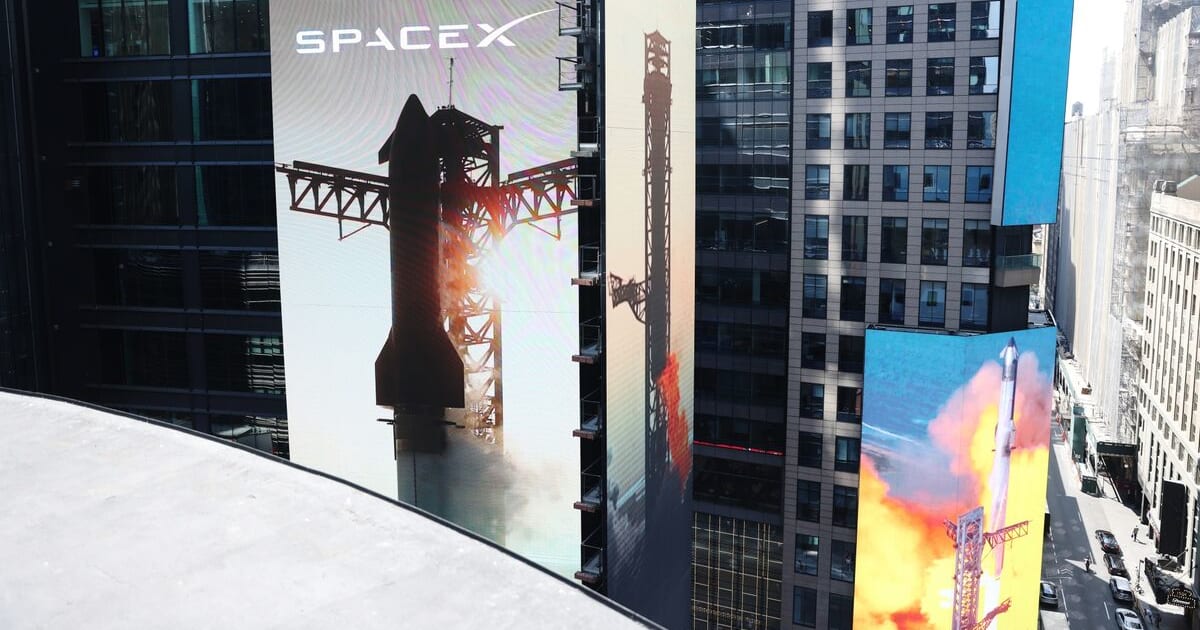
SpaceX’s blockbuster public debut has sent shockwaves through global capital markets, signaling a massive shift in investor appetite toward pure-play space assets. This shift threatens to drain liquidity from Indian defence stocks, forcing a long-overdue valuation correction across the sector. We break down the winners, losers, and the critical pivot points for your portfolio.
The SpaceX Phenomenon: A Global Liquidity Pivot
The recent public debut of SpaceX has been nothing short of a seismic event for global equity markets. By adding over $400 billion in market capitalization within 48 hours, SpaceX has not merely 'listed'; it has rewritten the valuation framework for the entire aerospace and deep-tech sector. For institutional investors, this represents a fundamental reallocation of capital away from legacy aerospace conglomerates toward high-growth, vertically integrated space giants.
The core question for the Indian market is simple: In a world where a dominant global player offers massive scalability and technological hegemony, do the current premiums on Indian defence and space-tech stocks remain justifiable? We are witnessing a 'rotation of capital' that mirrors the 2022 tech-sector migration, where liquidity fled emerging market retail-heavy themes in favor of US-listed blue-chip tech.
How will the SpaceX rally impact the Nifty Defence Index?
The Indian defence and space-tech sectors have enjoyed a dream run over the past 36 months, fueled by 'Atmanirbhar Bharat' (self-reliance) mandates and robust order books. However, the SpaceX IPO introduces a new benchmark. When global funds rebalance, they compare the P/E ratios of Indian mid-caps against the growth trajectory of a global juggernaut. If a company like MTAR Technologies trades at a forward P/E of 60x while the global leader grows its top-line at 40% CAGR, the Indian mid-cap premium becomes increasingly difficult to defend.
Historically, when global high-beta assets experience massive liquidity inflows, Indian markets see a lagged reaction. In 2022, when US tech valuations peaked, the Nifty IT index corrected by nearly 25% over the following six months as institutional investors sought to bridge valuation gaps. We anticipate a similar, albeit more selective, correction in Indian defence stocks that lack proprietary intellectual property or significant export moats.
Stock-by-Stock Breakdown: Winners and Vulnerable Mid-Caps
The impact of the SpaceX debut is not uniform. We categorize the affected NSE/BSE stocks into those with 'defensive moats' and those facing 'liquidity headwinds'.
- Hindustan Aeronautics Ltd (HAL): As a state-backed behemoth, HAL is relatively insulated. Its massive order book (over ₹90,000 crore) and sovereign-backed maintenance contracts provide a floor. However, its valuation expansion may stall as capital flows toward more 'agile' US space-tech.
- MTAR Technologies: Highly vulnerable. MTAR’s reliance on precision engineering for space and nuclear sectors makes it a direct 'proxy' for the space economy. If global capital rotates, MTAR may see a contraction in its P/E multiple as investors demand higher global-standard growth rates.
- Data Patterns (India) Ltd: Positioned well due to its focus on indigenous radar and electronic warfare systems. While it faces some liquidity pressure, its high margins (EBITDA margins >40%) provide a buffer that most small-cap peers lack.
- Paras Defence and Space Technologies: High risk. As a micro-cap with significant retail participation, any broad-based outflow from the defence sector could lead to outsized volatility in Paras. Investors should watch for institutional support levels.
- Zen Technologies: A wildcard. Their focus on drone and anti-drone technology aligns with the global shift toward autonomous warfare. They may actually benefit from the 'space-tech' halo effect, provided they maintain their current R&D momentum.
Expert Perspective: The Bull vs. Bear Debate
The Bull Case: Proponents argue that the SpaceX debut validates the entire space economy, acting as a rising tide that lifts all boats. For Indian firms, this brings global visibility, potential joint ventures, and a 'de-risking' of the supply chain away from China, positioning India as the next aerospace manufacturing hub.
The Bear Case: Skeptics contend that the 'valuation gap' is now too wide. They argue that global investors will view Indian defence stocks as 'overvalued local proxies' and pull capital to chase the SpaceX growth story directly via US-listed ETFs and ADRs, leading to a liquidity crunch for Indian mid-caps.
Actionable Investor Playbook: Navigating the Volatility
Investors should move from a 'growth-at-all-costs' mindset to a 'quality-and-value' strategy. The playbook is as follows:
- Trim Overvalued Small-Caps: If you are holding stocks with P/E ratios exceeding 70x that lack clear, long-term export orders, consider booking partial profits.
- Accumulate on Dips: Look for 'quality' corrections in companies like Data Patterns and HAL. Use the 200-day moving average as a structural entry point.
- Watch the Currency: Monitor the INR/USD exchange rate. A weakening Rupee could exacerbate the outflow of foreign portfolio investment (FPI) from Indian equity markets into dollar-denominated assets.
- Time Horizon: Shift focus to a 3-5 year horizon. The short-term noise surrounding SpaceX will subside, but the long-term structural demand for aerospace manufacturing in India remains intact.
Risk Matrix: Assessing the Impact
| Risk | Probability | Impact |
|---|---|---|
| Massive FPI Outflow | Medium | High |
| Sector-wide Valuation De-rating | High | Medium |
| Supply Chain Disruption | Low | High |
What to Watch Next
The next 90 days are critical. Watch for the Q3 and Q4 order book disclosures for Indian defence firms; any deceleration in new contract wins will be punished severely by the market. Additionally, track the US Federal Reserve’s interest rate commentary—a 'higher-for-longer' stance will accelerate the flight of capital from emerging market tech to US-listed space assets. Finally, look for any announcements regarding joint venture partnerships between Indian firms and global aerospace giants, as these will be the only catalysts capable of decoupling Indian stocks from the broader sector correction.
Disclaimer: This content is generated by WelthWest Research Desk based on publicly available reports and is for informational purposes only. It does not constitute financial advice, investment recommendations, or an offer to buy or sell securities. Always consult a qualified financial advisor before making investment decisions.