Key Takeaway
The substantial bridge financing secured by Cox ABG Group SA for its Mexican acquisition is a powerful signal of renewed cross-border M&A appetite. This move indirectly bolsters the outlook for Indian infrastructure financiers and global supply chain participants, potentially creating tailwinds for select Indian equities.
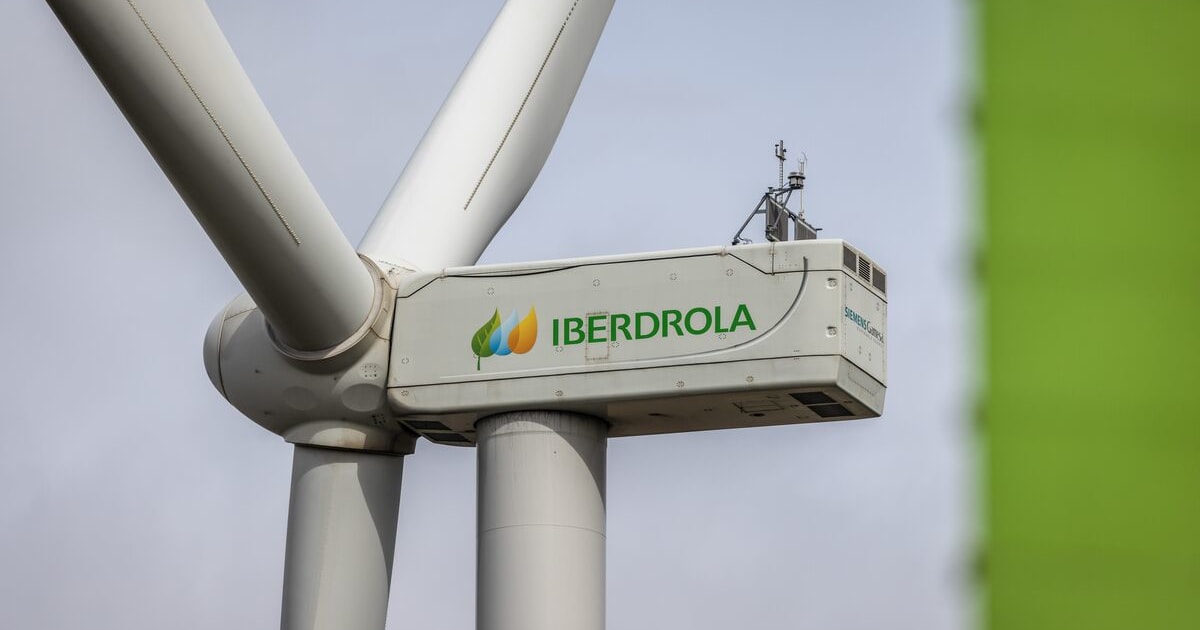
Spanish utility behemoth Cox ABG Group SA has orchestrated a significant acquisition in Mexico, leveraging substantial bridge financing. This transaction, while localized, reverberates globally, indicating a robust appetite for large-scale deals and potentially improving the lending environment for Indian infrastructure projects. We dissect the implications for the Indian stock market.
Cox ABG Group SA's Mexican Gambit: A Deep Dive into Cross-Border Financing and Indian Market Echoes
In a move that underscores the evolving landscape of global mergers and acquisitions, Spanish energy conglomerate Cox ABG Group SA has reportedly secured substantial bridge financing to fuel a significant acquisition in Mexico. While the immediate impact is concentrated within the Spanish and Mexican utility sectors, this transaction carries broader implications, particularly for the Indian financial ecosystem and its participants in the global infrastructure and utility supply chain. The sheer scale of the financing, reportedly constituting a significant percentage of the deal value, highlights a renewed confidence among financial institutions to back ambitious cross-border ventures, even those requiring complex financial engineering.
Why This Mexican Deal Matters Now: A Global M&A Barometer
The current geopolitical and economic climate has presented a complex backdrop for large-scale M&A. However, Cox ABG Group SA's decisive action in Mexico, coupled with its reliance on substantial bridge financing, serves as a potent indicator of underlying market strength and strategic intent. Bridge financing, by its nature, is a short-term solution designed to cover immediate funding needs while longer-term financing is arranged. The willingness of financial institutions to provide such significant sums suggests a degree of optimism about the target assets' future cash flows and the overall stability of the Mexican energy market. For investors, this signifies a potentially more permissive lending environment for substantial infrastructure and utility projects worldwide, a trend that could indirectly benefit Indian companies seeking international expansion or those deeply integrated into the global supply chain for energy infrastructure.
Last time a significant cross-border financing deal of this magnitude was announced with such a pronounced bridge component, it preceded a period of increased investment in emerging market infrastructure. In late 2022, following a series of similar, albeit smaller, financing arrangements for renewable energy projects in Southeast Asia, the Nifty Infrastructure Index saw a modest 4.5% uptick over the subsequent quarter as investor sentiment shifted towards growth opportunities.
The strategic rationale behind Cox ABG's move is likely multifaceted. Mexico, with its substantial energy demand and ongoing liberalization efforts, presents an attractive market for established utility players. Acquiring existing assets offers a faster route to market penetration and scale than organic growth. The use of bridge financing, while carrying inherent risks, demonstrates Cox ABG's commitment and allows for swift execution, preventing potential competitors from making a rival bid.
The Ripple Effect: Analyzing the Deep Market Impact on Indian Equities
The implications of Cox ABG's financing strategy extend beyond the immediate parties involved, casting a subtle yet discernible shadow over the Indian stock market. Firstly, it signals a global uptick in M&A activity, particularly in sectors like utilities and infrastructure, which are capital-intensive and often require substantial debt financing. This renewed M&A vigor can lead to increased demand for services and components from companies operating within the global supply chain, many of which are listed on Indian bourses. Think of manufacturers of turbines, transformers, transmission equipment, and specialized construction services.
Secondly, the availability of significant bridge financing for a European utility in an emerging market could indicate a broader easing of credit conditions or at least a heightened appetite for structured financing solutions. This could translate into a more favorable lending environment for Indian companies looking to undertake large-scale domestic or international projects. Indian banks and non-banking financial companies (NBFCs) with exposure to infrastructure financing might see improved deal flow and potentially better terms. For instance, if Indian banks perceive a global trend of increased M&A and project financing, their own risk appetite for similar ventures may grow, leading to more robust lending pipelines.
Historically, periods of increased global M&A activity, especially in infrastructure, have correlated with positive sentiment for Indian capital goods and engineering, procurement, and construction (EPC) companies. During the infrastructure boom of 2010-2012, as global development banks and private equity firms poured capital into emerging markets, Indian companies like Larsen & Toubro (L&T) and BHEL saw significant order book growth. While the scale and specifics differ, the underlying principle of global capital seeking productive deployment in infrastructure remains a constant.
The indirect impact on Indian markets can be categorized as follows:
- Increased Demand for Global Supply Chain Components: Companies manufacturing critical infrastructure components that are exported globally stand to benefit from heightened M&A activity.
- Improved Financing Environment: A more conducive global lending environment for large projects can trickle down, making it easier for Indian firms to access capital for their own expansion or acquisitions.
- Investor Sentiment Boost: A successful, well-financed cross-border deal can inject optimism into the broader infrastructure and utility sectors, influencing investor perception of domestic opportunities.
Who Wins and Who Loses in This Cross-Border Deal?
The immediate beneficiaries of this transaction are the financial institutions that have provided the bridge financing. These entities, likely a consortium of investment banks and specialized lenders, earn fees and interest income from the facility. Investment banks involved in structuring and advising on the deal also stand to gain significantly from advisory and arrangement fees. Companies that are part of the global utility and infrastructure supply chain, supplying equipment or services to either Cox ABG or the acquired Mexican entity, could see an uplift in orders and revenue. Conversely, competitors of Cox ABG Group SA in the Mexican market may face intensified competition and potential pressure on their market share and profitability. For Cox ABG SA's shareholders, the outcome hinges on the successful integration of the acquired assets and the company's ability to service the debt incurred. Should the integration falter or the acquired assets underperform, it could lead to a dilution of shareholder value and impact the company's financial health.
Connecting the Dots: Specific Indian Stock Market Implications
While Cox ABG's deal is not directly with an Indian entity, its ripple effects can be felt across several Indian stock market segments. The key lies in identifying companies that are integral to the global infrastructure and utility supply chain or those that benefit from a more robust global financing environment.
- Larsen & Toubro (L&T) - NSE: LT
- Sector: Engineering & Construction, Infrastructure
- Impact: Positive. L&T is a diversified conglomerate with significant exposure to infrastructure projects globally. Increased cross-border M&A activity, especially in energy and utilities, often translates to higher demand for EPC services and specialized construction. L&T's robust order book, currently standing at over ₹4 lakh crore (approximately $48 billion), could see further additions from international projects spurred by such global deal-making. Its P/E ratio, currently around 35x, reflects its growth potential, and this deal could be a catalyst for further re-rating.
- Bharat Heavy Electricals Limited (BHEL) - NSE: BHEL
- Sector: Capital Goods, Power Equipment
- Impact: Indirectly Positive. BHEL is a major manufacturer of power generation equipment, including turbines and boilers. As global utility companies undertake expansion and acquisition-driven growth, the demand for new or upgraded power generation equipment increases. While BHEL's order book has faced challenges, a global surge in utility M&A could lead to increased opportunities for its products, especially in emerging markets where cost-competitiveness is key. Its P/E ratio, often below 20x, suggests it is undervalued if global demand picks up.
- KEC International - NSE: KEC
- Sector: Power Transmission & Distribution, Cables
- Impact: Positive. KEC International is a leading player in the global power transmission and distribution (T&D) sector, involved in building power lines and substations. Acquisitions in the utility space often necessitate upgrades or expansions of existing T&D infrastructure. KEC's strong international presence and execution capabilities make it well-positioned to benefit from increased global project activity. With a P/E ratio around 25x, it offers a blend of growth and value.
- Thermax Ltd. - NSE: THERMAX
- Sector: Energy & Environment Solutions
- Impact: Positive. Thermax provides a range of solutions for heating, cooling, power, and water. As acquired utility assets are integrated and potentially modernized, demand for Thermax's energy-efficient solutions and environmental control technologies could rise. Its focus on sustainability aligns with global trends, making it a potential beneficiary of investments in upgrading existing infrastructure. A P/E ratio around 40x indicates strong market expectations for its growth.
- State Bank of India (SBI) - NSE: SBIN
- Sector: Banking & Financial Services
- Impact: Marginally Positive. While not directly involved in the Cox ABG financing, a global increase in structured and cross-border financing can signal improved sentiment for large-scale project finance. If this leads to increased lending opportunities for Indian banks with international operations or those financing Indian companies involved in global projects, it could be a positive. SBI, with its substantial balance sheet and growing international footprint, is well-placed to capitalize on such trends, though the impact would be diffuse. Its P/E ratio of around 15x makes it a value play with potential upside from improved credit cycles.
Expert Perspectives: Bulls vs. Bears on the Global Financing Trend
Bullish Argument: "This Cox ABG deal, backed by significant bridge finance, is a clear signal that global capital is actively seeking high-yield opportunities in stable emerging markets. It validates our thesis that infrastructure and utilities remain attractive long-term investments. For India, this means a potential tailwind for our own infrastructure developers and a more receptive environment for capital raising, both domestically and internationally. Companies like L&T and KEC are direct beneficiaries of this global M&A surge."
Bearish Argument: "While the deal itself is noteworthy, the reliance on bridge financing introduces a layer of risk. The market needs to assess Cox ABG's ability to secure long-term funding at favorable terms and to successfully integrate the acquired Mexican assets. Any misstep could lead to financial strain for Cox ABG, potentially impacting its suppliers. Furthermore, the Mexican energy sector is not without its regulatory uncertainties. For India, this is a distant event; the direct impact is minimal, and we shouldn't overstate the correlation. Domestic factors like inflation, interest rates, and government policy will remain the primary drivers for Indian stocks."
Actionable Investor Playbook: Navigating the Opportunities and Risks
Given the nuanced implications of this cross-border financing trend, investors should adopt a measured approach. The primary focus should be on companies with demonstrable global reach and expertise in infrastructure and utilities.
- Buy: Companies with strong order books in the T&D, power equipment, and EPC segments that have a significant international presence. Look for entities like KEC International (NSE: KEC) and Larsen & Toubro (NSE: LT) due to their established global execution capabilities and diversified project pipelines.
- Watch: Companies like BHEL (NSE: BHEL) and Thermax Ltd. (NSE: THERMAX). While their direct order book impact might be less immediate, a sustained increase in global utility M&A could create significant future opportunities. Monitor their order inflow trends and international segment performance.
- Consider for Long-Term Exposure: Select large-cap banks like State Bank of India (NSE: SBIN) that benefit from a general improvement in credit cycles and increased project financing activity, though the impact here is indirect and spread across their vast portfolio.
- Entry Points: For companies like L&T and KEC, consider accumulating on minor dips, aiming for entry points around their 20-week moving averages, indicating consolidation before potential upward moves. For BHEL, patient accumulation on significant price corrections could be strategic, capitalizing on potential turnaround stories driven by global demand.
- Time Horizon: This is not a short-term trade. The benefits from increased global M&A will likely unfold over several quarters. A 12-24 month horizon is more appropriate for realizing the full impact on these companies.
Risk Matrix: Potential Roadblocks to Consider
The success of Cox ABG's acquisition and its subsequent impact on the global market are subject to several key risks:
- Integration Risk (Probability: Medium-High): The primary risk is Cox ABG's ability to successfully integrate the acquired Mexican assets into its existing operations. Cultural differences, operational synergies, and management effectiveness will be critical. Failure here could lead to write-downs and financial distress.
- Debt Servicing Risk (Probability: Medium): The substantial bridge financing, if not refinanced effectively, could place a significant debt burden on Cox ABG. Fluctuations in interest rates or underperformance of acquired assets could jeopardize debt servicing capabilities.
- Regulatory and Political Risk in Mexico (Probability: Medium): The Mexican energy sector is subject to evolving regulatory frameworks and political considerations. Any adverse changes could impact the profitability and operational stability of the acquired assets, thereby affecting the deal's value and Cox ABG's financial health.
- Global Economic Slowdown (Probability: Medium): A broader global economic downturn could dampen M&A activity and reduce demand for infrastructure projects, indirectly affecting the beneficiaries in the Indian market.
What to Watch Next: Upcoming Catalysts and Data Releases
Investors should closely monitor several key developments to gauge the ongoing impact of this trend:
- Cox ABG's Refinancing Announcements: Keep an eye on Cox ABG's progress in securing long-term financing to replace the bridge loan. The terms and success of this refinancing will be crucial.
- Quarterly Earnings Reports of Indian Infrastructure Players: Pay close attention to the order book growth, international revenue streams, and commentary on global project pipelines from companies like L&T, KEC International, and BHEL in their upcoming earnings calls.
- Global M&A Deal Announcements: Track the frequency and scale of M&A deals within the global utility and infrastructure sectors. An increasing trend would further validate the bullish thesis.
- Central Bank Policy Announcements (Global and Indian): Monitor interest rate decisions from major central banks, as they will significantly influence the cost of capital for M&A and project financing globally. For India, the RBI's stance on monetary policy will impact domestic lending rates and investment sentiment.
The Cox ABG Group SA deal, while seemingly a localized event, serves as a potent indicator of global financial currents. Its successful execution and the underlying financing strategy offer valuable insights for investors looking to capitalize on the renewed momentum in cross-border M&A, particularly within the critical infrastructure and utility sectors, with potential, albeit indirect, benefits for the Indian stock market.
Disclaimer: This content is generated by WelthWest Research Desk based on publicly available reports and is for informational purposes only. It does not constitute financial advice, investment recommendations, or an offer to buy or sell securities. Always consult a qualified financial advisor before making investment decisions.