Key Takeaway
The burgeoning $322 billion stablecoin market cap, now eclipsing the foreign exchange reserves of 95 countries, signals a seismic shift in capital flows. Investors must re-evaluate traditional safe havens and explore India's burgeoning digital asset ecosystem.
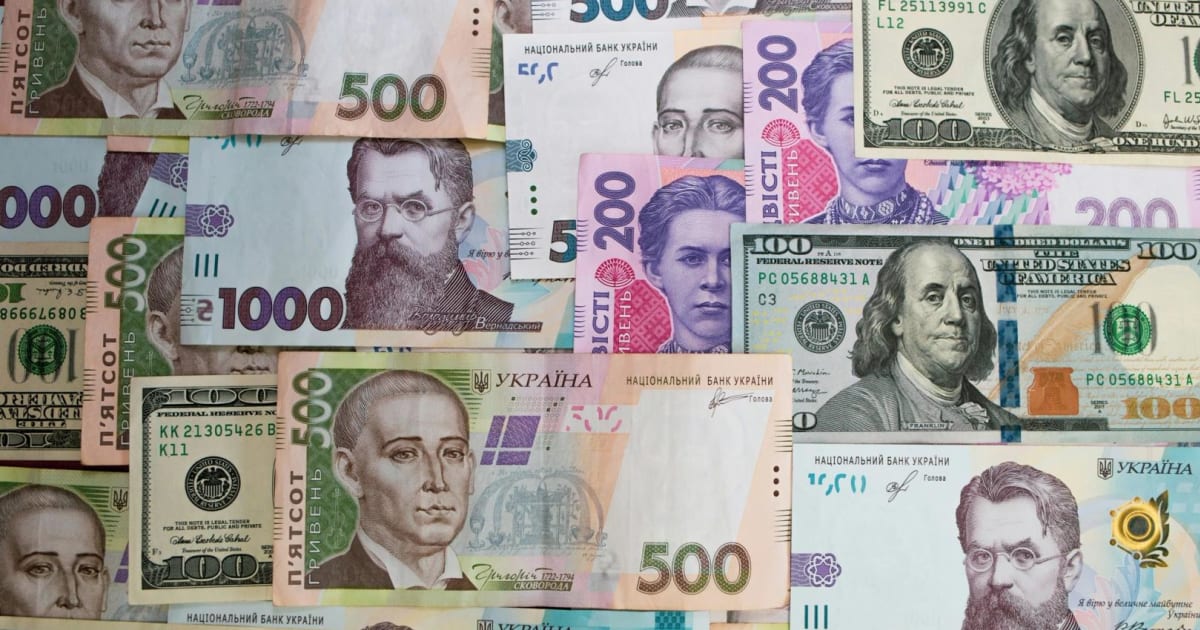
The global stablecoin market has surged past $322 billion, surpassing the foreign exchange reserves of 95 nations. This unprecedented valuation underscores a fundamental change in how value is stored and transacted globally, with significant implications for India's financial landscape, from traditional banking to emerging blockchain enterprises.
Stablecoin Surge: A New Global Reserve Asset Emerges, Dwarfing 95 Nations' FX Holdings
The global stablecoin market capitalization has achieved a staggering milestone, now exceeding the combined foreign exchange (FX) reserves of 95 countries. Valued at approximately $322 billion, this digital asset class is no longer a fringe phenomenon but a significant force reshaping global finance. This dramatic ascent signifies a profound shift in capital allocation, challenging traditional financial paradigms and presenting a complex, yet potentially lucrative, landscape for Indian investors and market participants.
Why This Stablecoin Valuation Matters NOW
The sheer scale of this valuation is not merely a number; it represents a growing trust in digital currencies as a reliable medium of exchange and a store of value. Stablecoins, pegged to traditional fiat currencies like the US dollar, offer the perceived stability of fiat with the transactional efficiency of blockchain technology. This convergence is attracting significant capital, diverting it from traditional assets and potentially influencing FX markets, central bank reserve management, and the demand for established safe-haven instruments. For India, this trend necessitates a robust understanding of its implications, from potential capital flight dynamics to the imperative for clear regulatory frameworks governing digital assets.
The historical context of digital asset adoption provides a crucial backdrop. While Bitcoin and other cryptocurrencies have experienced extreme volatility, stablecoins have carved out a niche by offering a degree of predictability. This stability has made them attractive for traders seeking to move funds within the crypto ecosystem without converting back to fiat, and increasingly, for individuals and institutions looking for accessible, digitally native financial tools. The current valuation suggests that this adoption is moving beyond speculative trading into more fundamental financial utility.
Deep Market Impact Analysis: How India's Financial Ecosystem Responds
The expansion of the stablecoin market has a multifaceted impact on India's financial ecosystem. Firstly, it poses an indirect challenge to the traditional FX market. As more capital flows into stablecoins, particularly those pegged to the US dollar, it could theoretically reduce the demand for holding physical foreign currency reserves or other traditional FX instruments. While the scale of this impact on India’s substantial FX reserves (which stood around $600 billion as of early 2024) is currently marginal, the trend line is undeniable.
Secondly, the growth of stablecoins fuels the broader digital asset infrastructure. This includes cryptocurrency exchanges, blockchain technology providers, and companies developing innovative financial services built on distributed ledger technology. For India, which has been actively exploring the potential of blockchain for various applications, this trend offers a significant impetus. Companies involved in the digital asset space in India, even those not directly issuing stablecoins, stand to benefit from increased transaction volumes and broader adoption of crypto-related financial services. The regulatory environment in India, which has seen a shift from outright bans to taxation and evolving oversight, is critical in determining the extent of this benefit.
Consider the historical parallel of the 2021-2022 bull run in cryptocurrencies. During that period, we observed a surge in retail and institutional interest in digital assets, leading to increased trading volumes on Indian exchanges and a heightened focus on regulatory clarity. While the current stablecoin surge is more focused on utility and store of value, it shares the underlying driver of increasing digital asset adoption. The Nifty 50, during the peak of that crypto fervor, saw significant sector-specific movements, and while not directly correlated, it highlighted the market's sensitivity to disruptive financial technologies.
The implications for the Indian banking sector are also noteworthy. While not facing direct competition from stablecoins for core deposit-taking, banks that are exploring blockchain integration for remittances, cross-border payments, or tokenized assets might find accelerated opportunities. Conversely, institutions heavily reliant on traditional capital flows for their revenue models might need to adapt as digital asset flows become more prominent. The Reserve Bank of India's (RBI) stance on Central Bank Digital Currencies (CBDCs), such as the digital rupee, also plays a crucial role in shaping the domestic landscape, potentially offering a regulated alternative for digital currency use.
Stock-by-Stock Breakdown: Navigating the Digital Asset Wave on Indian Exchanges
While direct investment in stablecoins is often done through global platforms, the growth of this market has tangible ripple effects on Indian publicly traded companies and their privately held counterparts. The following NSE/BSE listed entities and their sector peers are positioned to be influenced:
- Info Edge (India) Ltd (NSE: INFOEDGE): While primarily known for its internet portals (Naukri.com, Jeevansathi.com), Info Edge has strategic investments in companies like Policybazaar, which is increasingly integrating digital financial services. More importantly, its venture capital arm has shown interest in the broader tech ecosystem, which includes emerging fintech and blockchain startups. As the digital asset space matures and seeks integration with traditional financial services, Info Edge's diversified portfolio could see indirect benefits from increased innovation and capital flow into the tech sector. Its P/E ratio historically reflects its growth potential, and any significant uptick in digital finance adoption could bolster investor sentiment.
- HDFC Bank Ltd (NSE: HDFCBANK) & ICICI Bank Ltd (NSE: ICICIBANK): These banking giants are at the forefront of digital transformation. While they do not directly deal in stablecoins, their investments in blockchain technology for interbank settlements, trade finance, and exploring tokenized assets position them to benefit from the overall digitization of finance. If stablecoins facilitate greater cross-border transactions or create new avenues for digital asset-backed lending, these banks could see increased business opportunities. Their strong balance sheets and focus on technological innovation make them resilient but also potential beneficiaries of a more digitally integrated financial system.
- WazirX (Indirectly via Parent Company Binance): Though WazirX is primarily an Indian cryptocurrency exchange and not directly listed on Indian stock exchanges, its parent company, Binance, is the world's largest crypto exchange. Binance's global operations, which include facilitating stablecoin trading and adoption, directly benefit from the market cap growth. Any future listing or significant partnership involving Binance that impacts its Indian operations would indirectly affect the perception and potential valuation of Indian crypto-related entities and their investors. The ongoing regulatory scrutiny of crypto exchanges in India, however, remains a critical overhang.
- Tanla Platforms Ltd (NSE: TANLA): This digital communications platform is increasingly pivoting towards blockchain solutions and Web3 technologies. Tanla Platforms' focus on creating secure and decentralized communication channels, along with its involvement in digital identity and tokenization projects, aligns with the infrastructure needs of a growing digital asset economy. As stablecoins become more integrated into financial services, the demand for underlying secure and efficient digital infrastructure will rise, potentially benefiting companies like Tanla. Its revenue growth and order book expansion are key metrics to watch.
- Persistent Systems Ltd (NSE: PERSISTENT) & Tata Consultancy Services Ltd (NSE: TCS): These IT services giants are actively involved in blockchain development and digital transformation projects for global financial institutions. Their expertise in building secure, scalable, and compliant technological solutions makes them crucial enablers for any financial system embracing digital assets. As more companies seek to integrate stablecoin functionalities or build blockchain-based financial products, the demand for the services of companies like Persistent Systems and TCS will escalate. Their revenue from digital transformation services and their robust order books are indicators of their potential gains.
It's important to note that privately held entities like CoinDCX also represent the vibrant growth within India's crypto sector. Their success, while not directly reflected in public market valuations, serves as a strong indicator of the sector's overall health and the potential for future IPOs or acquisitions, which would then impact public market sentiment.
Expert Perspective: Bulls vs. Bears on the Stablecoin Horizon
The escalating valuation of stablecoins elicits divergent views among market observers. Bullish arguments center on the undeniable utility and adoption. Proponents highlight how stablecoins are facilitating frictionless global commerce, enabling faster remittances, and providing a stable on-ramp and off-ramp for the burgeoning cryptocurrency ecosystem. They foresee stablecoins becoming an integral part of the future financial infrastructure, akin to how digital payment systems evolved. For India, bulls see this as an opportunity to leapfrog traditional financial systems and foster innovation in digital finance, potentially attracting significant foreign investment into the country's tech and blockchain sectors.
Conversely, bearish perspectives raise critical concerns about systemic risk and regulatory oversight. Bears point to the inherent risks of fractional reserve banking in some stablecoin models, the potential for 'runs' if confidence erodes, and the lack of comprehensive regulatory frameworks globally. They argue that the current valuation might be inflated by speculative interest and that a significant regulatory crackdown or a major stablecoin failure could trigger a market crash, impacting not just digital assets but also broader financial markets. For India, bears emphasize the potential for capital flight if unregulated stablecoins become easily accessible, undermining monetary policy and financial stability.
Actionable Investor Playbook: Navigating the Stablecoin Revolution
For the discerning Indian investor, the rise of stablecoins presents both opportunities and challenges. The key is to approach this evolving landscape with a strategy that balances innovation with risk management.
- Invest in Infrastructure Providers: Rather than directly investing in volatile cryptocurrencies or potentially complex stablecoin mechanisms, focus on companies building the foundational technology and services. Look for IT services companies (like TCS, Infosys, Wipro) with strong blockchain practices, digital communication platforms (like Tanla Platforms), and payment gateway providers that are adapting to digital asset integration. Entry points would be at reasonable valuations, perhaps during market pullbacks, with a long-term horizon (3-5 years) to capture the secular growth trend.
- Monitor Banking Sector Digitalization: Keep a close watch on how major Indian banks (HDFC Bank, ICICI Bank, Kotak Mahindra Bank) are integrating blockchain and digital asset services. Banks that proactively develop capabilities in tokenization, digital asset custody, or blockchain-based payment solutions are likely to be long-term winners. Their P/E ratios should be assessed against their innovation pipeline and digital revenue streams.
- Understand Regulatory Developments: The regulatory landscape is paramount. Any significant policy changes by the RBI or the Indian government regarding digital assets can dramatically influence market sentiment and the performance of related stocks. Investors should actively track pronouncements and policy papers from the Ministry of Finance and the RBI.
- Diversify Within Tech Equities: While direct crypto investment might be too risky for many, consider diversified exposure through tech-focused mutual funds or ETFs that have a mandate to invest in emerging technologies, including blockchain and fintech. This offers a more managed approach to capturing the sector's growth.
- Avoid Speculative Stablecoin Investments: For most retail investors, directly holding significant amounts of stablecoins without a clear understanding of their backing and regulatory status is not advisable. Stick to regulated financial instruments and publicly traded companies with clear business models.
The time horizon for these investments should be medium to long-term, as the full integration of stablecoins into the global financial system will be a gradual process. Short-term trading strategies in this space are fraught with higher risk.
Risk Matrix: Navigating the Uncharted Waters of Digital Finance
The stablecoin market, despite its impressive growth, is not without considerable risks:
- Regulatory Uncertainty (High Probability, Medium Impact): The lack of a harmonized global regulatory framework for stablecoins creates significant uncertainty. Potential new regulations or outright bans in major economies could lead to sudden devaluations or operational disruptions. For India, the evolving stance of the RBI and SEBI is a critical factor.
- Systemic Risk from De-pegging (Medium Probability, High Impact): If a major stablecoin were to lose its peg to its underlying asset due to insufficient reserves, market manipulation, or a loss of confidence, it could trigger a contagion effect across the crypto market and potentially spill over into traditional finance. The interconnectedness of the digital asset ecosystem makes this a significant concern.
- Cybersecurity Threats (High Probability, Medium Impact): Digital asset platforms and wallets are constant targets for cyberattacks. A successful breach could lead to the theft of user funds or disruption of services, impacting investor confidence and the operational viability of exchanges and related companies.
What to Watch Next: Catalysts for the Digital Asset Evolution
Several upcoming catalysts will significantly shape the narrative around stablecoins and their impact on financial markets, including those in India:
- Global Regulatory Framework Developments: Watch for pronouncements from major financial regulators like the US Federal Reserve, the European Central Bank, and the Financial Stability Board regarding stablecoin regulation. Any concrete steps towards international standards will be a major development.
- RBI's Digital Rupee Progress: The continued rollout and adoption of India's Central Bank Digital Currency (CBDC), the e-Rupee, will be crucial. Its integration with existing financial systems and its user uptake will influence the appetite for other forms of digital currency in India.
- Major Financial Institutions' Digital Asset Initiatives: Keep an eye on announcements from global and Indian banks and financial services firms regarding their adoption of blockchain technology, tokenization of assets, or pilot programs involving digital currencies. These moves signal institutional buy-in and potential for mainstream integration.
- Quarterly Earnings Reports of Indian IT & Fintech Companies: The financial results of companies like TCS, Infosys, Tanla Platforms, and Info Edge will provide granular data on their exposure to and revenue generated from digital transformation and blockchain projects. Look for specific mentions of digital asset-related services in their investor calls.
The stablecoin market's ascent is a clear signal that digital finance is maturing. Investors who understand its implications and position themselves strategically within the supporting infrastructure are likely to benefit from this transformative era.
Disclaimer: This content is generated by WelthWest Research Desk based on publicly available reports and is for informational purposes only. It does not constitute financial advice, investment recommendations, or an offer to buy or sell securities. Always consult a qualified financial advisor before making investment decisions.