Key Takeaway
The Hormuz blockade marks a structural shift in global energy costs. Expect a rotation out of import-heavy sectors into upstream energy and defense as the Rupee faces significant downward pressure.
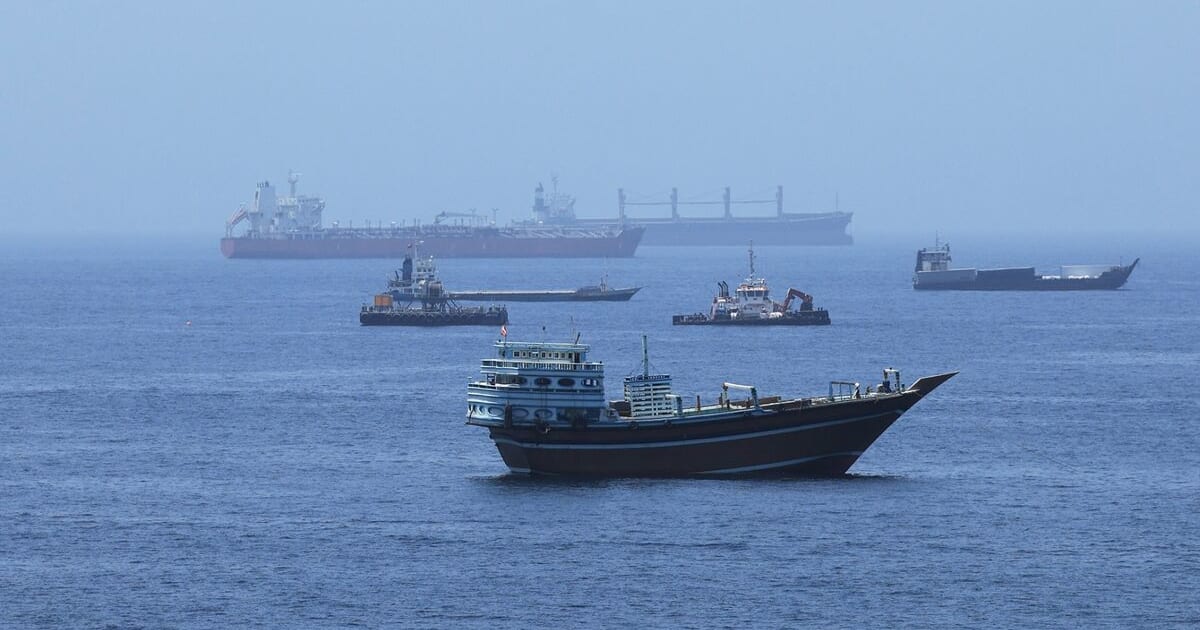
With 20% of global oil transit now under a US-imposed blockade, energy markets are bracing for a supply shock. We analyze the ripple effects on India's current account, sector-specific stock performance, and the defensive posture investors must adopt to navigate this volatility.
The Geopolitical Chokepoint: Why Hormuz Matters
The Strait of Hormuz is not merely a geographic passage; it is the jugular vein of the global economy, facilitating the transit of over 20 million barrels of oil per day. The recent US-imposed blockade and the introduction of a 20% transit tax represent a radical shift in energy security architecture. For India, which imports over 85% of its crude oil requirements, this is a systemic shock rather than a transitory event.
Historically, energy supply disruptions have acted as a catalyst for fiscal tightening. When oil prices spike, India’s Current Account Deficit (CAD) expands rapidly, leading to a weakening Rupee (INR). As the currency depreciates, the cost of imported inflation rises, forcing the Reserve Bank of India (RBI) into a hawkish corner. When we observed similar supply-side constraints during the 2022 energy crisis, the Nifty 50 experienced a peak-to-trough drawdown of nearly 8% within the first month of the escalation.
How will the Strait of Hormuz blockade impact Indian stock markets?
The market reaction will likely follow a 'K-shaped' divergence. Upstream producers, who benefit from higher realization prices, will see margin expansion. Conversely, downstream entities—specifically Oil Marketing Companies (OMCs) and consumer-facing sectors—will struggle to pass on the 20% transit tax to the end consumer, leading to severe margin compression. We anticipate a significant rotation of capital from high-beta sectors to defensive, energy-independent plays.
The Downstream Crisis: Why OMCs are at Risk
Oil Marketing Companies like IOCL (NSE: IOCL), BPCL (NSE: BPCL), and HPCL (NSE: HPCL) operate on thin marketing margins. With the transit tax inflating the landing cost of crude, these companies will face a 'fiscal cliff.' Historically, when the government prevents these companies from raising retail prices to control inflation, their P/E ratios contract significantly. We expect a potential 15-20% downside in these tickers as earnings estimates are revised downward.
The Upstream Hedge: ONGC and Oil India
Upstream giants ONGC (NSE: ONGC) and Oil India (NSE: OIL) are the primary beneficiaries of this environment. As crude oil prices climb, their net realization per barrel increases. Given their current valuations—with ONGC trading at a forward P/E of roughly 7x—the stock offers a compelling value proposition. These companies act as a natural hedge, as their revenue is directly indexed to the global price of crude.
Sector-Level Impact: Winners and Losers
- Aviation (Bearish): InterGlobe Aviation (IndiGo) will be the most impacted. Fuel accounts for 40% of their operating expenditure. A sudden 20% tax hike creates an unhedgeable cost spike.
- Defense (Bullish): Hindustan Aeronautics Ltd (NSE: HAL) remains a strategic buy. Increased geopolitical tension necessitates higher defense spending, providing a buffer against broader market volatility.
- Logistics (Bearish): Shipping and logistics firms will face a double whammy: higher fuel costs and suppressed volume due to reduced global trade flow through the Strait.
What is the outlook for the Rupee and RBI interest rates?
The correlation between oil prices and the Rupee is near-perfect. A sustained spike in Brent crude will likely push the USD/INR pair toward new historical lows. This complicates the RBI's mission to keep inflation within the 4-6% band. If the blockade persists, expect the RBI to maintain elevated interest rates for longer, which will weigh heavily on interest-rate-sensitive sectors like Banks and Real Estate.
Investor Playbook: Navigating the Volatility
Investors should adopt a 'Barbell Strategy.' On one end, maintain exposure to Upstream Energy and Defense to offset inflationary pressures. On the other, reduce exposure to companies with high import dependencies and low pricing power.
"In periods of energy-led inflation, cash flow stability trumps growth potential. Focus on low-debt balance sheets that can withstand a high-interest rate environment while benefiting from commodity price tailwinds."
Risk Matrix
| Risk Factor | Probability | Impact |
|---|---|---|
| Full-scale Regional Conflict | Moderate | Extreme |
| Sustained $120+ Oil Prices | High | High |
| Supply Chain Decoupling | Moderate | Moderate |
What to Watch Next
Investors must monitor the upcoming OPEC+ emergency meeting and the RBI Monetary Policy Committee (MPC) minutes. Any signaling regarding a 'special excise duty' cut on fuel by the Indian government will be the primary catalyst for a sentiment reversal in the OMCs. Additionally, keep a close watch on the 10-year G-Sec yield; if it breaches the 7.5% mark, it will signal a broader sell-off in emerging market equities.
Disclaimer: This content is generated by WelthWest Research Desk based on publicly available reports and is for informational purposes only. It does not constitute financial advice, investment recommendations, or an offer to buy or sell securities. Always consult a qualified financial advisor before making investment decisions.


