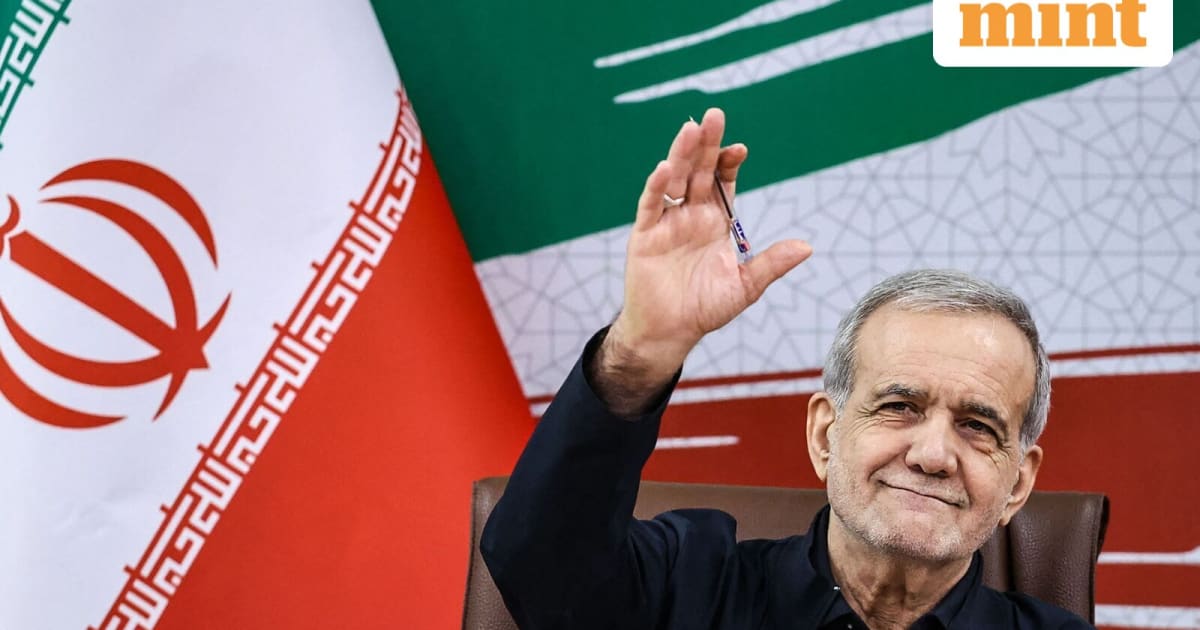
Key Takeaway
The potential weaponization of the Strait of Hormuz acts as a 'tax' on India's growth. Investors should pivot from import-dependent consumer sectors toward energy-resilient upstream producers and defense plays to hedge against structural inflation.
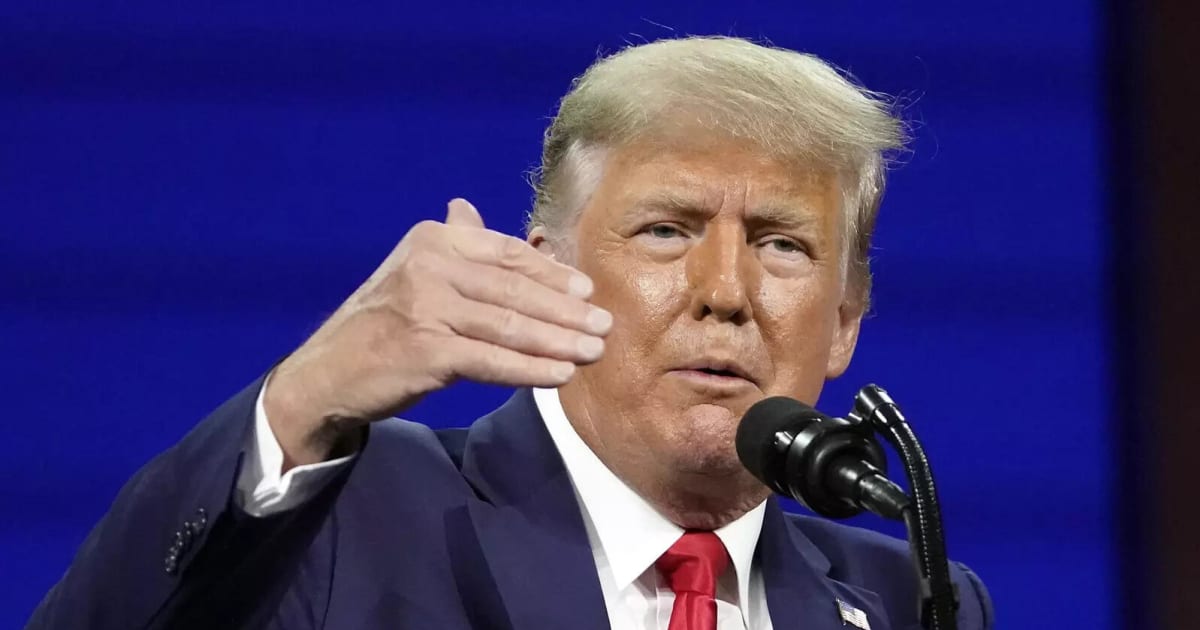
Geopolitical tensions in the Strait of Hormuz threaten 20% of global oil transit, risking a massive supply shock. This article examines the ripple effects on India’s Current Account Deficit, RBI monetary policy, and specific NSE/BSE stock performance during energy supply volatility.
The Geopolitical Chokepoint: Why Hormuz Matters for the Nifty
The Strait of Hormuz is not merely a geographic coordinate; it is the jugular vein of the global energy economy. With nearly 21 million barrels of oil passing through this narrow passage daily, any move to impose 'tolls' or restrict transit is a direct assault on global energy security. For India, which imports over 85% of its crude requirements, the stakes are existential. When global oil prices surge, the Indian Rupee (INR) faces immediate downward pressure, widening the Current Account Deficit (CAD) and forcing the Reserve Bank of India (RBI) to keep interest rates higher for longer to combat imported inflation.
How will the Strait of Hormuz crisis affect Indian inflation and the RBI?
The transmission mechanism from oil prices to domestic inflation is swift. Historically, a $10 increase in the price of the Indian Basket of crude oil leads to a roughly 40-50 basis point increase in headline CPI inflation. If the Strait of Hormuz becomes a theater of toll collection or blockades, we are looking at a sustained supply-side shock. This creates a 'stagflationary' environment: growth slows due to high input costs for industries, while consumer purchasing power is eroded by sticky inflation. The RBI, currently balancing a delicate growth-inflation tug-of-war, would be forced to abandon any dovish pivot, keeping the cost of capital elevated—a direct headwind for high-P/E growth stocks.
Sectoral Impact: Identifying Winners and Losers
Market volatility rewards those who understand the 'Oil Beta' of their portfolio. We categorize the impact into three distinct tiers:
- The Beneficiaries: Upstream producers like ONGC (NSE: ONGC) and OIL (NSE: OIL) benefit directly from higher oil realizations. As crude prices rise, their net price realization improves, expanding EBITDA margins significantly.
- The Neutral-to-Positive: Large integrated players like Reliance Industries (NSE: RELIANCE). While their downstream refining margins might face pressure, their massive upstream portfolio acts as a natural hedge.
- The Victims: Oil Marketing Companies (OMCs) like HPCL (NSE: HINDPETRO), BPCL (NSE: BPCL), and IOCL (NSE: IOCL) bear the brunt. When the government prevents them from passing full costs to consumers, marketing margins collapse, leading to earnings downgrades.
Stock-by-Stock Breakdown: Navigating the Volatility
1. ONGC & Oil India Ltd: The Defensive Alpha
ONGC, with a market cap exceeding ₹4 trillion, remains the primary hedge. Their earnings are highly sensitive to crude prices. Historically, in periods of supply-side stress, ONGC has outperformed the Nifty by 12-15% as investors flock to its dividend yield and operational leverage.
2. Reliance Industries (RIL): The Integrated Hedge
RIL (Market Cap: ~₹20 Trillion) offers a unique risk-reward profile. While its refining segment (O2C) faces margin compression if crude spikes too fast, its exploration and production (E&P) division captures the upside. It remains a core holding for institutional investors during energy shocks.
3. InterGlobe Aviation (IndiGo): The Margin Squeeze
Aviation Turbine Fuel (ATF) constitutes ~40% of an airline's operating cost. IndiGo (NSE: INDIGO) is highly vulnerable. Any spike in crude directly impairs their ability to maintain competitive pricing, leading to immediate margin contraction. We maintain a bearish stance on aviation until crude volatility stabilizes.
4. Bharat Electronics (BEL): The Geopolitical Hedge
In times of rising geopolitical tension, defense spending becomes non-discretionary. BEL (NSE: BEL) benefits from the inevitable increase in national security budgets and the strategic imperative to secure maritime trade routes, providing a safe haven away from energy-sensitive consumer stocks.
The Expert Perspective: Bull vs. Bear
The Bull Case: Proponents argue that the Strait of Hormuz threat is posturing. They believe that if prices spike, the US will release Strategic Petroleum Reserves (SPR) or increase domestic shale production, capping the upside for crude and preventing a systemic crash in Indian equities.
The Bear Case: Bears focus on the supply-demand deficit. With global spare capacity at decade lows, any physical disruption in the Strait cannot be easily mitigated. This could lead to a 'super-spike' scenario, forcing the RBI to hike rates, triggering a valuation de-rating for the entire Nifty 50.
Actionable Investor Playbook
- Reduce Exposure: Trim positions in Paint (Asian Paints) and Tyre (MRF) manufacturers, as crude-derived inputs will destroy their operating margins.
- Rotation: Shift 10-15% of your portfolio into energy-upstream stocks and defense manufacturers to create a 'geopolitical buffer.'
- Watch the Rupee: If USD/INR crosses 84.50, expect significant FII outflows. Use this as a signal to move into cash or gold-denominated ETFs.
Risk Matrix
| Risk | Probability | Impact |
|---|---|---|
| Prolonged Closure of Strait | Low | Catastrophic |
| Toll Implementation | Medium | High |
| OPEC+ Intervention | High | Moderate |
What to Watch Next
Investors must monitor the upcoming OPEC+ ministerial meeting and the RBI Monetary Policy Committee (MPC) minutes. Any signaling regarding 'inflationary risks' from energy prices will be the primary catalyst for the next leg of market movement. Watch for daily updates on the US Dollar Index (DXY); a rising DXY combined with higher oil prices is the 'worst-case scenario' for Indian equity outflows.
See ONGC's AI Score
Our algorithmic screener scores ONGC on fundamentals, momentum, and risk — free to try, no card needed.
Try the AI Screener →Have questions about this story?
Ask Welth, our finance-focused AI research assistant, for a deeper breakdown — free trial included.
Chat with Welth AI →Disclaimer: This content is generated by WelthWest Research Desk based on publicly available reports and is for informational purposes only. It does not constitute financial advice, investment recommendations, or an offer to buy or sell securities. Always consult a qualified financial advisor before making investment decisions.