Key Takeaway
The Strait of Hormuz conflict transforms the energy landscape overnight. Investors must pivot from consumer-facing sectors to defensive energy and defense-industrial stocks to hedge against a sustained supply-side shock.
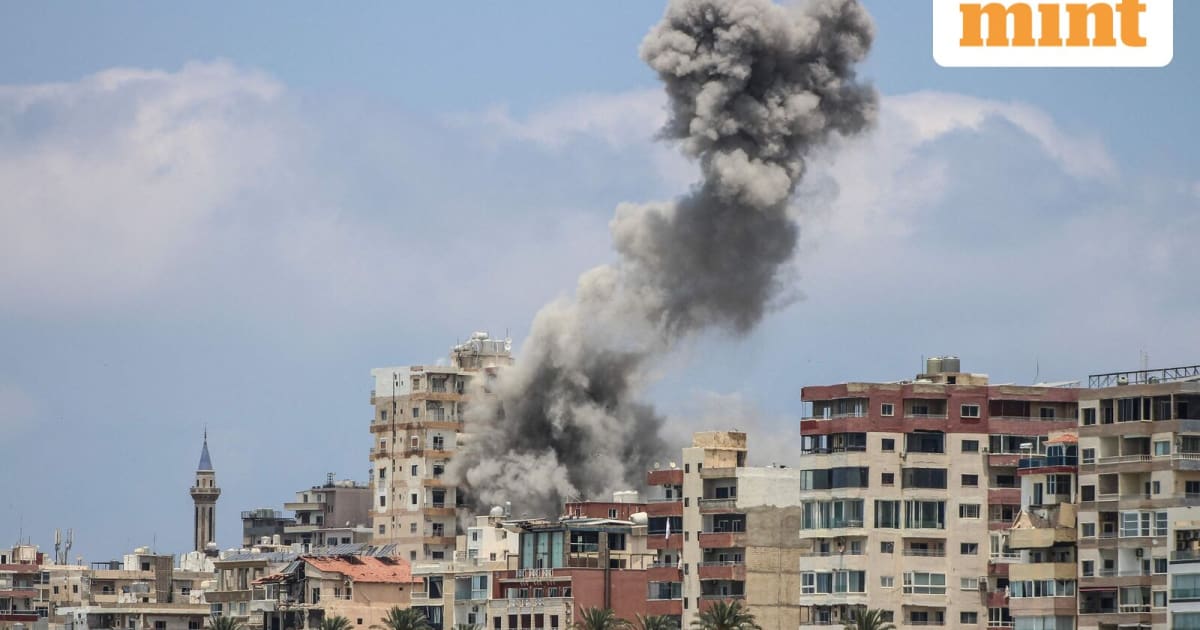
The downing of a US Apache helicopter near the Strait of Hormuz has triggered immediate retaliatory strikes, threatening 20% of global oil transit. For India, this translates to immediate inflationary pressure, currency volatility, and a major shift in sectoral performance. This analysis breaks down the winners, losers, and actionable strategy for the coming volatility.
The Geopolitical Powder Keg: Why the Strait of Hormuz Matters
The Strait of Hormuz is not merely a maritime corridor; it is the jugular vein of the global energy economy. With approximately 20-25 million barrels of oil passing through this narrow waterway daily, any military friction—such as the recent downing of a US Apache helicopter and subsequent retaliatory strikes on Bandar Abbas, Sirik, and Jask—creates an immediate, non-linear shock to the Brent crude index. In the current global climate, where supply chains are already fragile, this escalation represents a 'black swan' event that forces a re-pricing of risk across emerging markets.
For India, an economy that imports over 85% of its crude oil requirements, this is a fiscal stress test. Historically, when oil prices spike due to Middle Eastern instability, the Indian Rupee (INR) faces depreciation pressure against the USD, and the Current Account Deficit (CAD) widens, forcing the Reserve Bank of India (RBI) into a tighter monetary stance. When we saw similar tensions spike in 2022, the Nifty 50 experienced a sharp 6-8% correction within the first month of the conflict as Foreign Institutional Investors (FIIs) sought the safety of the US dollar.
How Will the Hormuz Escalation Impact Indian Inflation and Interest Rates?
The immediate transmission mechanism of this crisis is 'imported inflation.' As crude prices climb, the landed cost for Indian refineries rises, leading to higher retail fuel prices. This creates a cascading effect on the Wholesale Price Index (WPI) and Consumer Price Index (CPI), potentially keeping the RBI from initiating a rate cut cycle. If inflation remains sticky, the 'higher-for-longer' interest rate environment will continue to compress the valuation multiples of high-growth sectors, particularly IT and Consumer Discretionary.
Sectoral Fallout: Winners and Losers
The market is currently undergoing a violent rotation. Investors are fleeing sectors with high operating leverage—those that rely on stable input costs—and moving toward entities that either benefit from higher commodity prices or possess high-margin defense contracts.
The Winners: Energy and Defense
- Upstream Oil & Gas (ONGC, OIL): These companies benefit from 'windfall' pricing. As crude benchmarks rise, their realization per barrel increases, often outstripping their cost of production.
- Defense Manufacturing (HAL, BEL): Heightened geopolitical tension leads to increased defense spending mandates. Bharat Electronics (BEL) and Hindustan Aeronautics (HAL) are primed for long-term order book expansion as the Indian government prioritizes indigenous security capabilities.
The Losers: OMCs, Aviation, and FMCG
- Oil Marketing Companies (BPCL, HPCL, IOCL): These companies are caught in a 'margin squeeze.' If they cannot pass on the full cost of crude to consumers due to political pressure, their marketing margins shrink, directly impacting EBITDA.
- Aviation (InterGlobe Aviation/IndiGo): Aviation Turbine Fuel (ATF) accounts for nearly 40% of an airline's operating cost. A sustained spike in oil prices is catastrophic for the bottom line of carriers operating on thin margins.
- FMCG and Chemicals: Companies like Asian Paints or HUL face double-whammy: rising raw material costs (crude derivatives) and slowing demand as consumers prioritize essentials over discretionary spending.
Stock-by-Stock Breakdown
1. ONGC (ONGC.NS): With a market cap exceeding ₹3.5 lakh crore, ONGC remains the primary proxy for oil price upside. Its P/E ratio, currently hovering near historical averages, provides a buffer, but the stock is highly sensitive to government intervention in the form of windfall taxes.
2. Hindustan Aeronautics (HAL.NS): HAL has seen a massive re-rating over the last 24 months. With a strong order book, it acts as a 'safe haven' in volatile markets, as defense budgets are usually immune to short-term inflationary cycles.
3. Bharat Petroleum (BPCL.NS): Trading at a discount to its book value, BPCL is currently a 'sell' or 'avoid' for tactical traders. The risk of under-recovery on fuel pricing is too high during a period of crude volatility.
4. InterGlobe Aviation (INDIGO.NS): As the dominant player in domestic aviation, IndiGo is highly efficient, but it cannot hedge against a 20% spike in oil prices. Expect significant volatility and potential downgrades in earnings projections if Brent remains above $90 for consecutive quarters.
Expert Perspective: The Bull vs. Bear Case
The Bull Case: Institutional analysts argue that global strategic petroleum reserves (SPRs) are adequate to offset a short-term supply disruption. If the conflict remains localized to the Strait and does not draw in major regional powers, the oil price spike will be transitory, providing an excellent 'buy-the-dip' opportunity for battered FMCG stocks.
The Bear Case: The bear camp, led by macroeconomic strategists, warns that this is a 'structural' shift. With global debt levels high, any sustained increase in energy costs will trigger a recessionary environment, leading to a massive exit of FII capital from Indian equities, which could drag the Nifty toward the 200-day moving average.
Actionable Investor Playbook
Investors should adopt a 'barbell' strategy: maintain exposure to high-quality defensive stocks while trimming positions in energy-intensive cyclical sectors.
- Reduce Beta: Trim positions in aviation, paint, and logistics companies where input cost pass-through is difficult.
- Increase Defensive/Commodity Exposure: Accumulate positions in upstream energy players like ONGC during market dips, as they provide a natural hedge against oil inflation.
- Watch the INR/USD: If the Rupee breaches the 84.50 level against the USD, accelerate the move toward export-oriented sectors (like Pharma) to hedge currency depreciation risk.
Risk Matrix
- Prolonged Blockade of Hormuz (Probability: Low/Moderate): Would lead to a global energy shock and potential stagflation.
- FII Outflows (Probability: High): Markets are currently priced for perfection; any geopolitical stress will trigger a flight to safety (US Treasuries).
- Government Fuel Subsidies (Probability: Moderate): If the government absorbs the cost of oil, the fiscal deficit will balloon, leading to a potential sovereign credit rating outlook revision.
What to Watch Next
Keep a close eye on the OPEC+ emergency meeting announcements and the weekly EIA inventory reports. Furthermore, the upcoming RBI Monetary Policy Committee (MPC) minutes will reveal whether the central bank is prioritizing growth or inflation control in the face of this external shock. Monitor these, as they will serve as the primary catalysts for the next leg of market movement.
Disclaimer: This content is generated by WelthWest Research Desk based on publicly available reports and is for informational purposes only. It does not constitute financial advice, investment recommendations, or an offer to buy or sell securities. Always consult a qualified financial advisor before making investment decisions.