Key Takeaway
The de-escalation in the Strait of Hormuz acts as a massive tailwind for India’s current account balance. Investors should pivot toward energy-consuming sectors while bracing for short-term volatility in upstream oil producers.
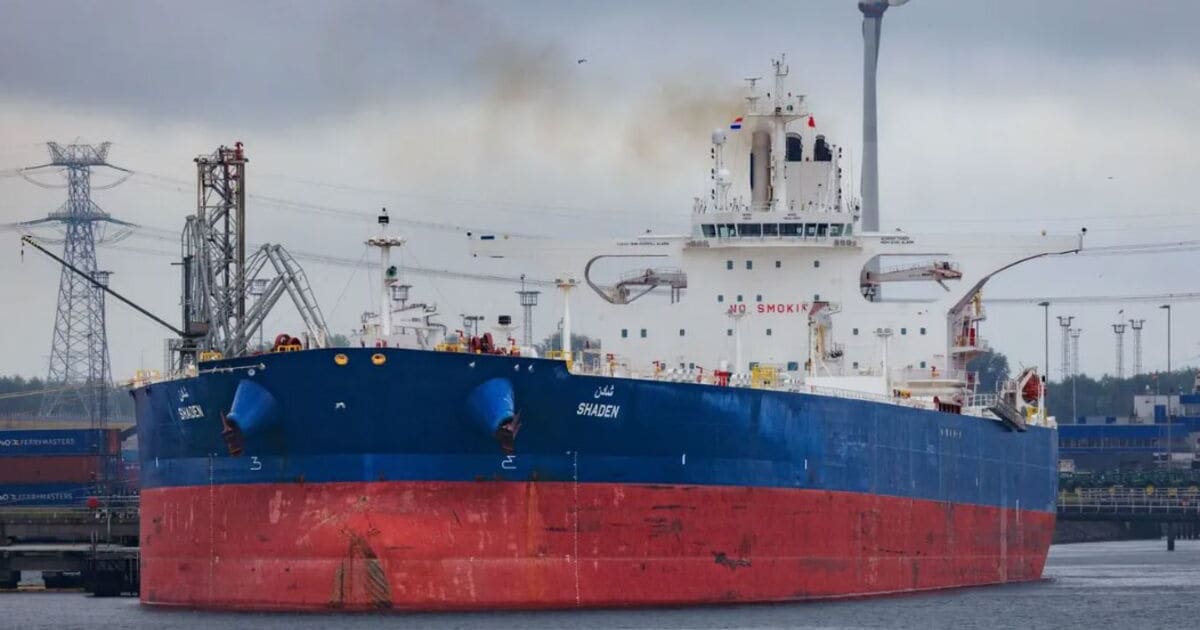
As the Strait of Hormuz reopens for unhindered tanker traffic, global crude prices face downward pressure. This WelthWest deep dive examines how this geopolitical shift recalibrates the Indian equity landscape, focusing on OMCs, aviation, and the broader inflationary outlook.
The Geopolitical Pivot: Hormuz Reopens
For months, the Strait of Hormuz—the world’s most critical oil chokepoint—has acted as a premium-generating machine for global crude prices. With roughly 20% of the world’s petroleum consumption passing through this narrow waterway, any sign of regional friction has historically triggered immediate volatility in Brent Crude. The recent interim peace deal between the United States and Iran represents a structural shift in the global energy supply chain. By alleviating the ‘risk premium’ associated with maritime transit, we are witnessing the first sustained cooling of oil prices in over a fiscal quarter.
Why Does the Strait of Hormuz Matter for the Indian Economy?
India is the world’s third-largest oil importer, making its trade deficit highly sensitive to the volatility of Brent Crude. Historically, every $10 rise in oil prices widens India’s current account deficit by approximately 0.5% of GDP. When Hormuz is clear, the reduction in insurance premiums and shipping duration directly lowers the landed cost of crude for Indian refineries. This cooling effect is not just a headline number; it is a direct relief valve for the Indian Rupee (INR), which has faced persistent pressure from high import bills.
How will the lower crude prices impact Indian inflation and the RBI?
Lower oil prices are the most potent tool for disinflation in the Indian context. Since a significant portion of India’s Consumer Price Index (CPI) is sensitive to energy and transport costs, a sustained decline in crude prices provides the Reserve Bank of India (RBI) with the flexibility to maintain a neutral or dovish stance on interest rates. For equity markets, this is the ‘goldilocks’ scenario: lower input costs for corporates coupled with the potential for lower borrowing costs.
Deep Market Impact: Sectoral Winners and Losers
The market impact of this de-escalation is bifurcated. We are seeing a clear rotation from energy producers to energy consumers.
- The Winners: Oil Marketing Companies (OMCs) are the immediate beneficiaries. With under-recoveries shrinking, their marketing margins on petrol and diesel are set to expand significantly. Simultaneously, the aviation sector—historically the most sensitive to ATF (Aviation Turbine Fuel) prices—is seeing a massive reduction in operational expenses.
- The Losers: Upstream producers like ONGC and Oil India are facing a double-edged sword. As global benchmarks dip, their net realization per barrel of crude declines, putting pressure on their bottom lines and dividend payout capacities.
Stock-by-Stock Breakdown
Our analysis identifies four key NSE-listed stocks that are positioned to react most aggressively to the normalized flow of tankers through the Strait.
1. Indian Oil Corporation (IOCL) & BPCL
Ticker: IOCL / BPCL
As OMCs, these companies have been operating under thin margins due to the government’s push to keep retail fuel prices stable. A drop in Brent Crude allows them to recover their marketing margins. With IOCL trading at a P/E of ~6x, the valuation is attractive for investors looking to play the margin expansion story.
2. InterGlobe Aviation (IndiGo)
Ticker: INDIGO
Fuel accounts for nearly 40% of IndiGo’s operating costs. A sustained 10% drop in crude prices can lead to a 3-4% expansion in EBITDAR margins. Given their dominant market share (over 60%), IndiGo is the primary proxy for the aviation sector’s recovery.
3. Oil and Natural Gas Corporation (ONGC)
Ticker: ONGC
While an upstream giant, ONGC is vulnerable to the ‘windfall tax’ regime in India. When oil prices drop, the government typically reduces the windfall tax, but the lower realization per barrel often outweighs the tax benefit, leading to a net bearish outlook for the stock in the immediate term.
4. Asian Paints
Ticker: ASIANPAINT
Paint manufacturers are high-beta plays on crude oil due to the derivative nature of their raw materials. As crude drops, the cost of monomers and resins falls, offering a significant boost to operating margins.
Expert Perspective: The Contrarian View
While the bulls are celebrating the reduction in costs, the bears argue that the peace deal is an interim measure. The primary risk remains the fragility of the agreement. If the maritime mining threats resurface or if the geopolitical rapprochement stalls, we could see a ‘whipsaw’ effect where prices spike higher than before, driven by panic buying. Bulls, however, argue that the economic incentive for both the US and Iran to maintain stability far outweighs the political theater, suggesting that this cooling period is structural, not transitory.
Actionable Investor Playbook
Investors should adopt a 'Barbell Strategy' to navigate this shift:
- Buy: Accumulate OMCs (BPCL/IOCL) and Aviation (IndiGo) on minor dips, targeting a 6-12 month horizon.
- Trim: Reduce exposure to upstream oil producers (ONGC, Oil India) if they reach their 52-week highs, as the macro environment is no longer in their favor.
- Watch: Monitor the Brent Crude spot price. If it breaks below the $75/barrel mark, expect a significant rally in paint and tyre manufacturing stocks (e.g., MRF, Apollo Tyres).
Risk Matrix
| Risk Factor | Probability | Impact |
|---|---|---|
| Failure of Iran-US talks | Moderate | High |
| Resurgence of maritime sabotage | Low | High |
| OPEC+ production cuts | Moderate | Medium |
What to Watch Next
The most critical catalyst in the coming weeks will be the monthly OPEC+ production meeting. If they decide to pivot from production cuts to increased supply, the oil price drop will accelerate. Additionally, monitor the weekly US EIA crude inventory reports; any unexpected surge in stockpiles will confirm that the Strait of Hormuz is operating at full capacity, providing further confirmation for the current bullish outlook on Indian consumer-facing sectors.
Disclaimer: This content is generated by WelthWest Research Desk based on publicly available reports and is for informational purposes only. It does not constitute financial advice, investment recommendations, or an offer to buy or sell securities. Always consult a qualified financial advisor before making investment decisions.


