Key Takeaway
The potential normalization of the Strait of Hormuz acts as a massive tailwind for India’s current account, shifting liquidity from upstream producers to downstream margin-expanders. Investors should pivot toward OMCs and aviation as crude volatility premiums evaporate.
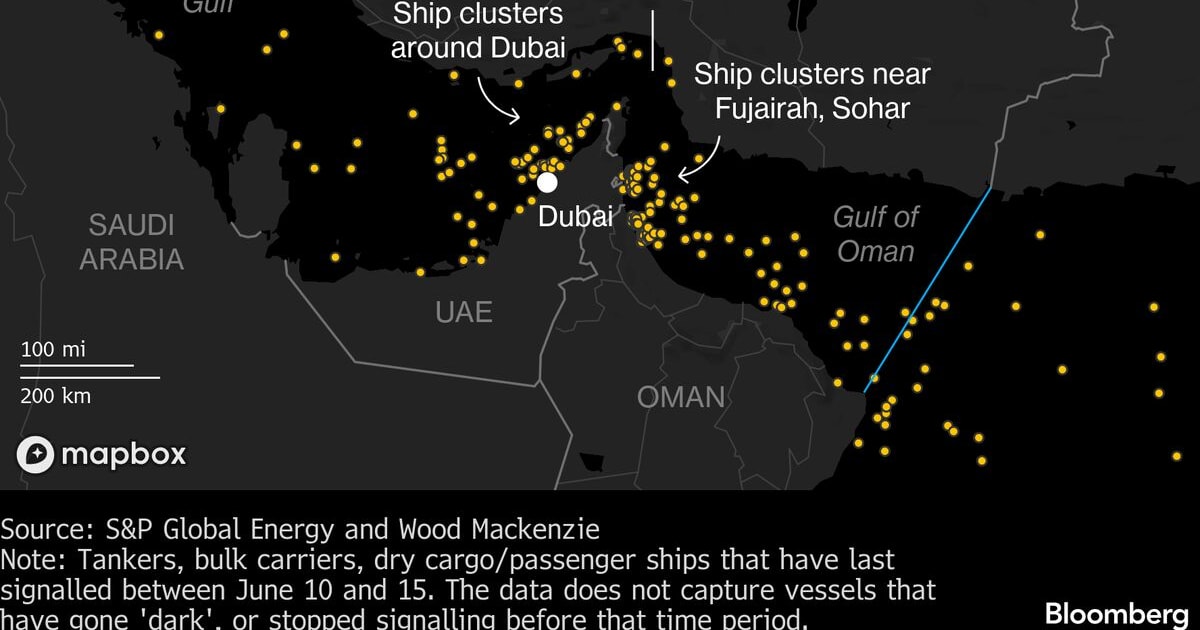
As US-Iran de-escalation talks gain momentum, the potential reopening of the Strait of Hormuz threatens to shift global energy dynamics. This report analyzes the ripple effects for India’s economy, identifying the winners and losers in the NSE landscape as crude oil prices face downward pressure.
The Strait of Hormuz: Why Global Oil Markets are Pivoting
For over a decade, the Strait of Hormuz has functioned as the ultimate geopolitical 'tax' on global energy markets. With nearly 20% of the world’s total petroleum liquid consumption transiting through this narrow maritime corridor, any hint of de-escalation between Washington and Tehran is not merely a diplomatic footnote—it is a fundamental shift in the global cost of production.
Currently, the market is pricing in a 'risk premium' that has kept Brent crude stubbornly elevated. Should the ongoing de-escalation talks result in the secure, sustained reopening or reduced tension within the Strait, the immediate impact will be a supply-side shock that favors net-importing nations. For India, which imports over 85% of its crude requirements, this is a macro-economic game changer.
How will the Strait of Hormuz reopening affect Indian inflation?
Historically, when oil prices soften, India’s Current Account Deficit (CAD) narrows significantly. In 2022, when oil prices surged toward $120/bbl, the Nifty 50 faced severe pressure as the Rupee depreciated and the RBI was forced into a hawkish stance to combat imported inflation. A sustained dip in oil prices—potentially moving toward the $70-$75 range—would act as a synthetic rate cut, providing the Reserve Bank of India (RBI) the necessary fiscal headroom to maintain a neutral or accommodative monetary policy.
This reduction in input costs cascades through the entire Indian economy. When the cost of crude (the primary feedstock for petrochemicals) drops, the manufacturing sector sees an immediate expansion in EBITDA margins. We expect a direct correlation: for every $10 drop in Brent crude, India’s trade deficit improves by approximately $12-15 billion annually, strengthening the INR and boosting FII sentiment.
The Winners and Losers: A Sectoral Breakdown
The market is currently mispricing the divergence between upstream and downstream beneficiaries. While the headlines focus on 'oil prices falling,' the real story is the expansion of margins for companies that utilize oil as a raw material.
The Winners: Margin Expansion Plays
- Oil Marketing Companies (OMCs): IOCL, BPCL, and HPCL stand to gain the most. As crude prices stabilize, these companies can better manage their under-recoveries, leading to significantly higher marketing margins.
- Aviation (InterGlobe Aviation/IndiGo): Aviation Turbine Fuel (ATF) accounts for nearly 40% of an airline's operating cost. A lower oil price environment is the single biggest driver of yield expansion for IndiGo.
- Paint and Tyre Manufacturers: Asian Paints and major tyre players rely heavily on crude-derivative inputs. As feedstock costs plummet, we expect a 150-200 basis point expansion in gross margins for these firms.
The Losers: The Upstream Drag
Conversely, upstream giants like ONGC and Oil India will face top-line pressure. These firms have enjoyed windfall gains due to high global energy prices. A normalization in the Strait of Hormuz will trigger a compression in their realization prices, likely leading to a softening in their stock valuations as the 'windfall tax' narrative shifts toward revenue loss.
Stock-by-Stock Analysis: Where to Position Your Portfolio
1. IOCL (Indian Oil Corporation Ltd): With a P/E ratio currently hovering around 6-7x, IOCL is primed for a valuation re-rating. As crude volatility subsides, their refining margins (GRMs) become more predictable, stabilizing cash flows.
2. InterGlobe Aviation (IndiGo): Trading at premium valuations, IndiGo remains the best proxy for Indian consumption. Lower ATF costs will allow them to either maintain current ticket prices for massive margin gains or engage in aggressive market share capture.
3. ONGC: While an upstream loser, ONGC’s dividend yield remains a safety net. However, investors should be wary of a potential 'sell-the-news' event if crude prices drop below $72/bbl.
4. Asian Paints: Often seen as a defensive play, Asian Paints benefits directly from lower petrochemical costs. If crude prices drop by 10%, expect a double-digit expansion in net profit for the subsequent two quarters.
Expert Perspective: The Bull vs. Bear Case
The current market sentiment is split. Bulls argue that the geopolitical risk premium is artificial and that a 'peace dividend' will lead to a broader Nifty rally. Bears, however, caution that Iran’s history of compliance is poor, and any breakdown in talks could lead to a 'snap-back' rally in oil prices that would catch investors off-guard.
Actionable Investor Playbook
Investors should adopt a 'Barbell Strategy' to navigate this transition:
- Accumulate (Buy): Focus on high-beta downstream stocks (IndiGo, Asian Paints) on any dip in the broader market. These stocks have the most to gain from margin expansion.
- Trim (Sell/Reduce): Reduce exposure to upstream oil producers (ONGC, Oil India) if the diplomatic talks show concrete progress, as realization prices will inevitably compress.
- Watch (Wait): Monitor the 10-year G-sec yields; if oil drops, yields should stabilize, making banking stocks an attractive secondary derivative trade.
Risk Matrix: What Could Go Wrong?
| Risk Factor | Probability | Impact |
|---|---|---|
| Breakdown of US-Iran Talks | Medium | High (Inverse price spike) |
| OPEC+ Production Cuts | High | Medium (Floor on oil prices) |
| Global Recessionary Demand Shock | Low | High (Deflationary pressure) |
What to Watch Next
The key catalyst to monitor over the next 30 days is the OPEC+ ministerial meeting and any official statements from the IAEA regarding Iranian nuclear monitoring. If these data points align with a diplomatic breakthrough, expect a rapid rotation out of energy-heavy portfolios into consumption-led stocks. Keep a close watch on the INR-USD exchange rate; a strengthening Rupee will be the definitive signal that the market believes the Strait of Hormuz risk is effectively neutralized.
Disclaimer: This content is generated by WelthWest Research Desk based on publicly available reports and is for informational purposes only. It does not constitute financial advice, investment recommendations, or an offer to buy or sell securities. Always consult a qualified financial advisor before making investment decisions.


