Key Takeaway
The SEC's proposed framework for tokenized stocks is not just a U.S. regulatory event; it's a global catalyst accelerating India's financial market modernization. Expect significant disruption for legacy players and a surge in opportunities for agile fintech infrastructure firms and blockchain innovators.
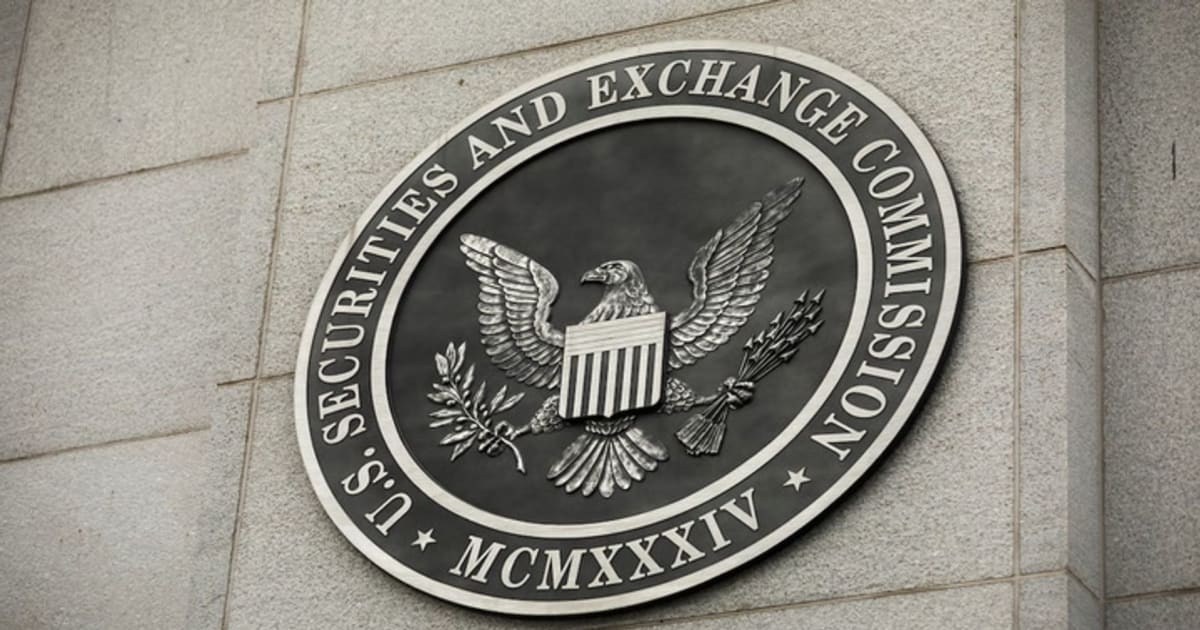
The U.S. Securities and Exchange Commission (SEC) is signaling a major shift towards formalizing tokenized stocks, a move with profound implications for global finance and India's burgeoning fintech sector. This development promises to slash transaction costs, boost liquidity, and pressure Indian regulators like SEBI to accelerate digital settlement cycles. We analyze the winners, losers, and specific Indian stocks like BSE, CDSL, MCX, Angel One, and ICICI Securities that are poised for significant impact.
Tokenized Stocks: SEC's Bold Move Ignites India's Fintech Race
The U.S. Securities and Exchange Commission (SEC) is on the cusp of formally addressing tokenized securities, a development that represents a pivotal moment for global capital markets. This strategic pivot by the SEC, traditionally a cautious regulator, signals an impending era where blockchain technology underpins the very settlement of traditionally issued equities. For India, a nation aggressively pursuing digital transformation, this move is not merely an observation but a powerful accelerant, intensifying the imperative for domestic regulators to modernize settlement cycles and creating fertile ground for its innovative fintech ecosystem to connect with global digital asset trading platforms.
The implications of tokenizing stocks are far-reaching. At its core, it envisions a future where ownership and transfer of equities are managed via blockchain, utilizing smart contracts for automated settlement. This could drastically reduce the reliance on traditional, often cumbersome, clearing houses and intermediaries, thereby shrinking transaction costs and settlement times from days to near-instantaneous. The increased efficiency and transparency offered by distributed ledger technology have the potential to unlock liquidity for a vast array of global assets, making them more accessible and tradable. For India, this represents an opportunity to leapfrog existing infrastructural bottlenecks and align its market operations with global best practices, potentially attracting foreign investment and fostering a more dynamic domestic trading environment.
Why This SEC Move Matters NOW: The Dawn of Blockchain Settlement
The SEC's move is significant because it moves beyond theoretical discussions and into the realm of formal regulatory architecture. While the U.S. market has seen private initiatives and pilot programs exploring tokenized securities, the SEC's intent to propose a framework signifies a commitment to establishing clear rules of engagement. This clarity is crucial for institutional adoption, which has been hesitant due to regulatory uncertainty. The timing is particularly relevant as global financial institutions are increasingly exploring blockchain solutions for efficiency gains. This proactive stance by the SEC effectively sets a precedent and a potential benchmark for other regulatory bodies worldwide, including India's Securities and Exchange Board of India (SEBI).
The current financial settlement system, while robust, is often characterized by multi-day settlement cycles (T+1, T+2). These cycles involve numerous intermediaries – custodians, clearing corporations, depositories – each adding layers of cost and potential points of failure. Tokenization, by contrast, promises to streamline this process. A tokenized stock, essentially a digital representation of ownership on a blockchain, could facilitate peer-to-peer transfers or near-instantaneous settlement via smart contracts. This efficiency is not just about speed; it's about reducing counterparty risk, enabling fractional ownership of assets, and potentially democratizing access to investment opportunities. The SEC's engagement signifies that regulators are beginning to grapple with the practical implementation of these technologies, acknowledging their potential to reshape market infrastructure.
Deep Market Impact Analysis: India's Race to Modernize
For the Indian stock market, the SEC's proactive stance acts as a powerful impetus. India has already made strides in settlement modernization, moving to a T+1 settlement cycle for most equities on the National Stock Exchange (NSE) and Bombay Stock Exchange (BSE) in January 2023, a significant move that reduced settlement risk and improved capital efficiency. However, the global trend towards blockchain-based settlement, now being formally addressed by the SEC, puts further pressure on SEBI to explore even more advanced digital solutions. The potential for cross-border tokenized asset trading, where Indian investors could potentially access global markets or vice-versa through regulated tokenized platforms, presents both immense opportunities and challenges.
The core impact lies in the potential disruption to existing intermediaries. Traditional clearing houses, which act as central counterparties to mitigate risk in traditional trading, might see their role diminished if blockchain-based systems can achieve similar or superior risk management through smart contracts and decentralized protocols. Legacy brokerage back-office providers, whose systems are built around established settlement processes, will face pressure to adapt or risk obsolescence. Conversely, fintech infrastructure providers, blockchain technology firms, and digital asset custodians are poised to be major beneficiaries. These entities are building the foundational technologies and services required for a tokenized future. Stock exchanges themselves will need to evolve, potentially integrating blockchain capabilities to facilitate the listing and trading of tokenized securities.
Historically, significant technological shifts in financial markets have often led to a period of intense competition and consolidation. The move towards electronic trading in the late 1990s and early 2000s, for instance, reshaped the landscape for stock exchanges and brokerage firms. Similarly, the advent of algorithmic trading necessitated upgrades in trading infrastructure and analytics capabilities. The current push towards tokenization is analogous, promising a similar wave of innovation and disruption. If the Nifty 50 experienced a 15% surge in institutional trading volume following the T+1 implementation, the broader adoption of tokenized settlement could unlock even greater liquidity and efficiency gains, potentially impacting market depth and volatility in ways we are only beginning to comprehend.
How Will Tokenized Stocks Impact Indian Fintech and Financial Services?
The Indian fintech sector, already a hotbed of innovation, stands to gain significantly from the global momentum towards tokenized securities. Companies focused on developing blockchain infrastructure, digital identity solutions, smart contract auditing, and secure custody of digital assets are likely to see increased demand. Furthermore, Indian fintechs that can build bridges between traditional financial systems and emerging blockchain-based platforms will be in a prime position. This could involve creating regulated on-ramps and off-ramps for tokenized assets, developing user-friendly interfaces for trading, or offering integrated compliance solutions. The potential for Indian firms to become global players in the tokenized securities infrastructure space is substantial.
The regulatory landscape in India, particularly under SEBI and the Reserve Bank of India (RBI), will be crucial. While the SEC's move provides a blueprint, Indian regulators will need to consider how to integrate tokenized securities within the existing legal and regulatory framework. This includes defining what constitutes a security token, establishing robust investor protection mechanisms, and ensuring compliance with anti-money laundering (AML) and know-your-customer (KYC) regulations. The development of a clear and supportive regulatory environment will be a key determinant of how quickly and effectively India can capitalize on the opportunities presented by tokenized stocks. The RBI's ongoing exploration of a Central Bank Digital Currency (CBDC) also suggests a broader governmental interest in digital asset technologies, which could pave the way for more comprehensive regulatory frameworks for tokenized securities.
Stock-by-Stock Breakdown: Winners and Losers in the Tokenized Era
The SEC's move towards formalizing tokenized stocks will create distinct winners and losers within the Indian financial market. The impact will be felt across various segments, from exchanges and depositories to brokerage firms and technology providers.
- BSE Ltd. (BSE): As India's oldest stock exchange, BSE is at the forefront of market modernization. With a market capitalization of approximately INR 33,000 crore and a P/E ratio around 55, BSE has been actively investing in technology and exploring new avenues, including blockchain. The exchange is well-positioned to integrate tokenized securities into its trading platforms, potentially offering new listing opportunities and enhanced trading functionalities. Its existing infrastructure and regulatory relationships provide a strong foundation to adapt to this shift, making it a significant potential winner.
- Central Depository Services (India) Ltd. (CDSL): CDSL, with a market cap of roughly INR 20,000 crore and a P/E of around 45, is India's leading securities depository. While traditional depositories might face disruption from blockchain's direct ownership capabilities, CDSL could pivot by offering custody and settlement services for tokenized assets. Its deep understanding of record-keeping and asset registration, coupled with a strong regulatory standing, could allow it to evolve into a key player in the tokenized asset ecosystem, provided it can integrate blockchain solutions effectively.
- MCX (Multi Commodity Exchange of India): MCX, a commodity exchange with a market cap of about INR 6,000 crore and a P/E of approximately 30, is less directly exposed to equity tokenization. However, its experience with digital trading and settlement mechanisms for commodities could offer transferable expertise. If tokenization expands to other asset classes traded on exchanges, MCX could find new opportunities, but its immediate impact from equity tokenization is likely to be indirect compared to equity-focused exchanges.
- Angel One Ltd. (ANGELONE): This leading discount brokerage firm, boasting a market cap of around INR 25,000 crore and a P/E ratio of roughly 40, is a prime example of a company that can thrive in the tokenized environment. Angel One's focus on technology-driven customer acquisition and low-cost trading aligns well with the efficiency gains promised by tokenization. The firm can leverage tokenized securities to offer more efficient trading, faster settlement, and potentially new product offerings to its retail client base. Its agile business model makes it a strong contender to adapt and benefit.
- ICICI Securities Ltd. (ISEC): With a market cap of approximately INR 12,000 crore and a P/E ratio of around 25, ICICI Securities represents a more traditional full-service brokerage. While it has a strong client base and established advisory services, its back-office operations and settlement processes might require significant upgrades to accommodate tokenized securities efficiently. The firm's ability to integrate new technologies and adapt its service model will be critical to avoid being left behind by leaner, tech-native competitors.
Sector peers like National Stock Exchange of India (NSE), though not directly listed, would similarly face pressures and opportunities akin to BSE. For depositories, other entities like the National Securities Depository Limited (NSDL) would also be in a similar position to CDSL. In the brokerage space, firms like Zerodha (unlisted), Upstox, and Groww would be actively evaluating how to integrate tokenized offerings to maintain their competitive edge.
Expert Perspective: Bulls Versus Bears on Tokenization
Bullish Case: Proponents argue that tokenized stocks represent the natural evolution of financial markets, unlocking unprecedented levels of efficiency, liquidity, and accessibility. They point to the potential for reduced transaction costs, near-instantaneous settlement, and fractional ownership, which can democratize investment. For India, this means a leapfrog opportunity to align with global standards, attract foreign capital, and empower domestic fintech innovation. Bulls foresee a future where blockchain-based trading platforms become the norm, offering a superior user experience and lower costs for all market participants. They highlight the SEC's move as a validation of this future, signaling regulatory acceptance and paving the way for widespread institutional adoption.
Bearish Case: Skeptics raise concerns about the significant systemic risks associated with blockchain technology, particularly regarding cybersecurity vulnerabilities in smart contracts and the potential for regulatory arbitrage. They argue that the complex nature of smart contracts could introduce new, unforeseen failure points. Bears also emphasize the slow pace of adoption by conservative institutional investors, who may be hesitant to move away from established, trusted intermediaries. Furthermore, they question whether the promised cost savings will materialize after accounting for the costs of developing and maintaining sophisticated blockchain infrastructure and ensuring robust regulatory compliance. The potential for increased market volatility due to faster, less-regulated trading mechanisms is another concern.
Actionable Investor Playbook: Navigating the Tokenization Wave
For investors, the SEC's move towards tokenized stocks presents a strategic opportunity to position portfolios for the future of finance. The key is to identify companies that are either building the infrastructure for this new paradigm or possess the agility to adapt their existing business models.
- Buy: Focus on established exchanges like BSE Ltd. that are actively investing in technology and exploring blockchain integration. Companies providing fintech infrastructure and blockchain solutions, if publicly listed or accessible through ETFs, should also be considered. Agile discount brokerages like Angel One Ltd., which can quickly integrate new offerings and attract retail investors seeking efficiency, are strong candidates.
- Watch: Keep a close eye on depositories like CDSL. Their ability to pivot and offer custody for tokenized assets will be crucial. Their current valuations (P/E ~45) suggest growth is already priced in, so any adaptation needs to be significant to drive further upside.
- Sell/Reduce Exposure: Consider reducing exposure to traditional clearing houses or legacy back-office providers that show no clear strategy for adapting to blockchain technology. Companies with high P/E ratios but limited technological innovation might be vulnerable.
- Entry Points: For infrastructure and exchange players, consider entry points during market corrections or on positive news related to regulatory clarity or pilot program success. For brokerages, focus on user growth and platform innovation.
- Time Horizons: This is a medium-to-long-term trend. While initial regulatory announcements can cause short-term volatility, the true impact will unfold over the next 3-5 years as infrastructure is built and adoption scales.
Risk Matrix: Navigating the Uncertainties of Tokenized Securities
While the potential benefits of tokenized stocks are significant, investors must be aware of the inherent risks:
- Regulatory Arbitrage and Inconsistency (Probability: High): Different jurisdictions may adopt varying regulatory approaches to tokenized securities, creating opportunities for arbitrage. This inconsistency can lead to confusion, hinder cross-border adoption, and pose challenges for compliance. The time lag between the SEC's proposal and actual implementation, and the diverse responses from other global regulators, will be critical.
- Cybersecurity Vulnerabilities (Probability: Medium-High): Smart contracts, the backbone of blockchain-based settlement, are susceptible to bugs and exploits. A successful cyberattack could lead to the loss of assets, compromised ownership records, and systemic instability. The immutability of blockchain can turn a small error into a catastrophic, irreversible loss.
- Slow Institutional Adoption (Probability: Medium): Despite regulatory progress, widespread adoption by conservative institutional investors may be slower than anticipated. Their reliance on established systems, due diligence processes, and risk aversion could delay the realization of efficiency gains and liquidity improvements.
- Scalability and Interoperability Issues (Probability: Medium): Public blockchains, while decentralized, can face scalability limitations, leading to slower transaction speeds and higher fees during peak demand. Ensuring interoperability between different blockchain networks and with legacy financial systems also remains a significant technical challenge.
What to Watch Next: Catalysts for the Tokenization Revolution
The coming months and years will be crucial for the development and adoption of tokenized stocks. Investors should monitor several key catalysts:
- SEC's Formal Rule Proposal and Public Comment Period: The exact wording and scope of the SEC's proposed rules will provide critical insights into the regulatory direction. The public comment period will reveal industry feedback and potential amendments.
- Pilot Programs and Real-World Use Cases: Closely watch for the success and scalability of ongoing and future pilot programs by financial institutions and exchanges testing tokenized securities. Real-world adoption metrics will be more telling than regulatory pronouncements.
- SEBI and Global Regulator Responses: The actions and statements of SEBI and other major global financial regulators (e.g., ESMA in Europe, FCA in the UK) regarding tokenized securities will shape the international landscape and India's integration into it.
- Technological Advancements in Blockchain: Developments in blockchain scalability solutions (e.g., Layer 2 solutions), interoperability protocols, and smart contract security auditing will be vital for the practical implementation of tokenized trading.
- Performance of Early Adopters: The success or failure of early movers in tokenized stock trading and settlement will provide valuable lessons and influence the pace of broader adoption.
The SEC's move is a clear signal that the future of financial markets is increasingly digital and decentralized. India, with its dynamic fintech sector and ongoing drive for market modernization, is well-positioned to be a significant player in this evolving landscape. Strategic investment in companies at the forefront of this transformation, while remaining acutely aware of the associated risks, will be key for investors seeking to capitalize on the tokenization wave.
Disclaimer: This content is generated by WelthWest Research Desk based on publicly available reports and is for informational purposes only. It does not constitute financial advice, investment recommendations, or an offer to buy or sell securities. Always consult a qualified financial advisor before making investment decisions.