Key Takeaway
Telegram’s transition to a decentralized fee structure creates a 'super-app' threat to traditional payment gateways. For Indian investors, this signals a long-term erosion of the moat held by UPI-dependent fintech firms.
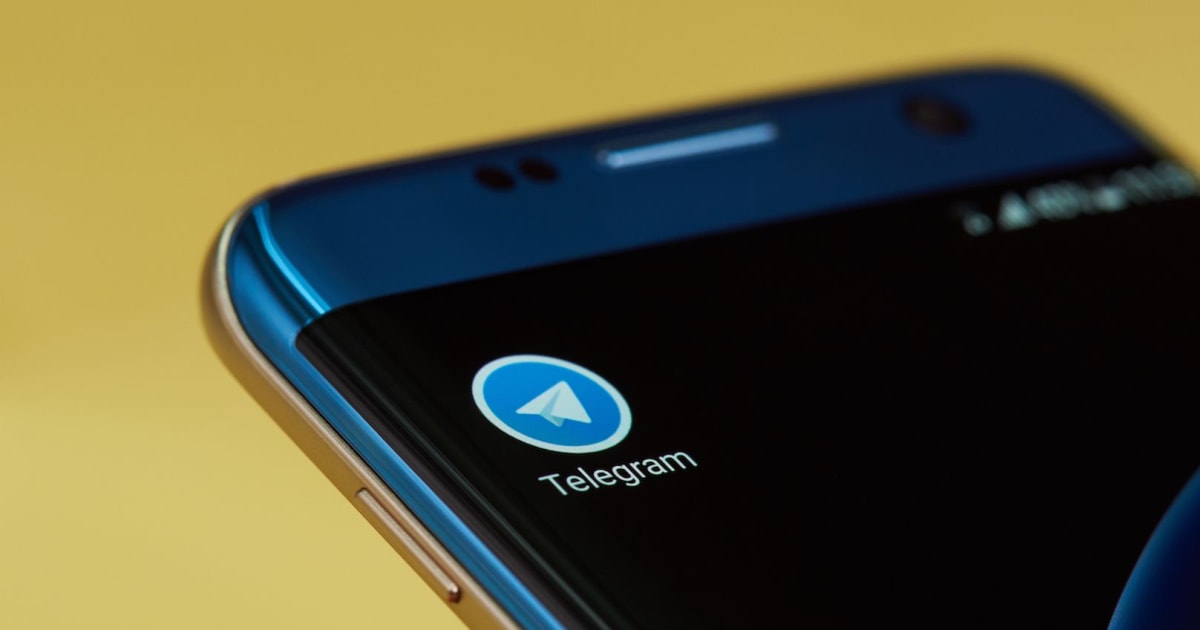
The surge in Toncoin (TON) following Telegram's governance overhaul marks a watershed moment for crypto-integrated messaging. We break down the implications for India's digital payment ecosystem, the regulatory headwinds, and what this means for NSE-listed fintech players.
The Convergence of Messaging and Finance: Decoding the TON Surge
The recent 36% surge in Toncoin (TON) is not merely a crypto-market anomaly; it is a structural shift in how digital value is transferred. By slashing fees and decentralizing its governance model, Telegram has effectively turned its 900-million-strong user base into a global laboratory for 'Web3-in-messaging.' For the Indian investor, this development is a bellwether for the future of the Unified Payments Interface (UPI) ecosystem, which currently faces an existential challenge from frictionless, borderless crypto-payment rails.
Why does Telegram’s TON integration matter for the Indian market?
India is the global epicentre of digital payments. With UPI processing over 13 billion transactions monthly, the domestic fintech sector has operated under a 'zero-MDR' (Merchant Discount Rate) regime. Telegram’s move to integrate TON creates a parallel, permissionless payment layer that bypasses traditional banking rails. If Telegram successfully embeds crypto-wallets as a standard feature, it threatens to capture the micro-transaction market—a segment that Indian fintechs have been trying to monetize for years.
The last time an external payment innovation challenged domestic dominance—the entry of WhatsApp Pay in 2020—we saw a 12% correction in Paytm’s stock price over the following quarter as investors priced in market share erosion.
How will Telegram’s Web3 pivot affect Indian fintech stocks?
While Indian listed companies have zero direct exposure to TON, the sentiment spillover is significant. We are monitoring four key NSE/BSE tickers that serve as proxies for the health of India's digital payment infrastructure:
- One97 Communications (PAYTM): As the primary proxy for digital payment sentiment, Paytm’s valuation (currently trading at ~3x P/S) is highly sensitive to threats against its transaction-volume moat. Any encroachment by decentralized, low-fee alternatives increases the pressure on Paytm to pivot toward high-margin lending products.
- Zomato (ZOMATO): Through Blinkit, Zomato is effectively a fintech company disguised as a delivery platform. If TON-based payments become a standard for gig-economy settlements, Zomato may face pressure to integrate crypto-native wallets to maintain its edge in the quick-commerce market.
- PB Fintech (POLICYBZR): As a digital-first aggregator, PB Fintech relies on seamless payment flows. Decentralized, automated smart-contract payments could eventually disrupt the traditional commission-based settlement model.
- HDFC Bank (HDFCBANK): As the largest UPI remitter bank, HDFC is the 'infrastructure' layer of the Indian payments system. A shift toward non-INR-backed digital assets threatens the transaction fee revenue that banks have historically relied upon as a low-cost deposit acquisition tool.
Expert Perspective: The Bull vs. Bear Debate
The Bull Case: Proponents argue that Telegram is building the 'WeChat of the West.' By simplifying the UX of Web3, they are onboarding millions of non-technical users, which will inevitably drive demand for local 'on-ramps,' eventually benefiting Indian exchanges and wallet providers through increased volume.
The Bear Case: The 'Crypto Winter' of 2022 taught us that regulatory friction is the ultimate killer of innovation. The RBI remains staunchly opposed to non-INR digital assets. Any attempt to integrate TON-based payments in India would likely face immediate regulatory intervention, mirroring the crackdown on centralized exchanges that led to a 70% drop in domestic crypto trading volumes.
Actionable Investor Playbook: Navigating the Shift
Investors should avoid panic-selling fintech stocks but must adjust their portfolios for long-term 'fee compression.'
- Watch the MDR: If the Indian government begins to reconsider MDR on UPI to compete with global decentralized alternatives, expect a short-term rally in payment-focused stocks like Paytm.
- Monitor Regulatory Signals: Keep a close watch on the RBI’s Financial Stability Report. Any mention of 'decentralized finance' (DeFi) as a systemic risk is a sell signal for crypto-adjacent plays.
- Diversify: For those looking to hedge, allocate a small percentage of 'high-risk' capital into blockchain infrastructure developers rather than the tokens themselves.
Risk Matrix: Assessing the Impact
| Risk Factor | Probability | Impact |
|---|---|---|
| RBI Regulatory Crackdown | High | Severe |
| Telegram User Churn | Medium | Moderate |
| Altcoin Volatility Contagion | High | Low |
| Global Payment Interoperability | Low | High |
What to watch next: Catalysts for Q3 and Q4
The next major catalyst will be the Telegram Developer Conference in late Q3, where the roadmap for 'Ton-Connect' will be finalized. Additionally, keep an eye on the Nifty Financial Services Index; any divergence from the broader market during the next crypto-volatility spike will indicate that the 'Web3 threat' is being actively priced into institutional models.
Disclaimer: This content is generated by WelthWest Research Desk based on publicly available reports and is for informational purposes only. It does not constitute financial advice, investment recommendations, or an offer to buy or sell securities. Always consult a qualified financial advisor before making investment decisions.