Key Takeaway
A potential US-Iran detente threatens to dismantle the crude oil 'war premium,' creating a tailwind for Indian OMCs and aviation while pressuring upstream energy producers. Investors should pivot portfolios toward downstream beneficiaries to capture the impending margin expansion.
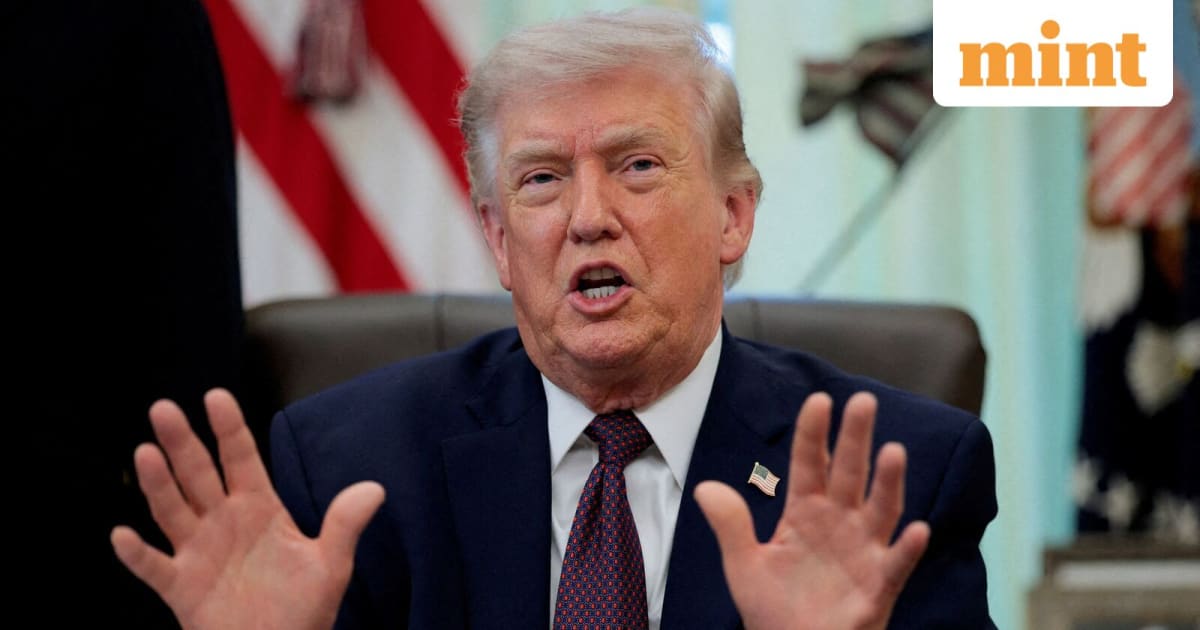
Geopolitical shifts in the Strait of Hormuz are signaling a potential cooling of global energy prices. As India remains a massive net importer of crude, a sudden supply-side normalization could catalyze a systemic rally in fuel-dependent sectors. We analyze the winners, losers, and the specific NSE tickers positioned to capitalize on this volatility.
The Geopolitical Pivot: Why the Strait of Hormuz Matters to Your Portfolio
For the past decade, the 'war premium' embedded in Brent crude prices has served as a silent tax on the Indian economy. With the Trump administration signaling a potential diplomatic breakthrough with Tehran, the market is beginning to price in the removal of this geopolitical risk. For India, which imports over 85% of its crude requirements, a stable Strait of Hormuz is not just a diplomatic objective—it is a macroeconomic catalyst that could fundamentally alter the trajectory of the INR and domestic inflation.
When oil prices soften, the cascading effect on India's Current Account Deficit (CAD) is immediate. Historically, a $10 per barrel decline in crude oil prices typically improves India's CAD by approximately 0.4-0.5% of GDP. This shift creates fiscal space for the RBI, potentially influencing interest rate cycles and providing a massive liquidity boost to equity markets.
How Will a Crude Oil Price Crash Affect Indian Stock Market Returns?
The correlation between global energy volatility and the Nifty 50 is undeniable. During the 2022 energy crisis, the Nifty faced significant headwinds as input costs spiked across the manufacturing value chain. A deal that brings Iranian oil back to the global market would likely push Brent toward the $65-$70 range, effectively acting as a massive corporate tax cut for the Indian manufacturing and services sectors.
The Downstream Winners: Margin Expansion Defined
The primary beneficiaries are firms with high energy-intensity in their cost structures. As input costs plummet, these companies will likely see a significant expansion in EBITDA margins, which have been compressed over the last 18 months due to sticky inflation.
- Oil Marketing Companies (OMCs): BPCL, HPCL, and IOC are the front-line beneficiaries. With the government often capping retail prices, lower crude costs allow these OMCs to achieve marketing margins that exceed their historical averages of ₹3-4 per liter, driving bottom-line growth.
- Aviation: InterGlobe Aviation (Indigo) stands to gain the most. Aviation Turbine Fuel (ATF) accounts for nearly 40% of an airline’s operating cost. A sustained drop in crude prices directly translates to higher profitability per available seat kilometer (RASK).
- Paint Manufacturers: Asian Paints and Berger Paints rely heavily on crude-derivative solvents. As raw material costs drop, these companies often hold retail prices steady, leading to a substantial 'margin kicker' that analysts frequently underestimate.
Stock-by-Stock Breakdown: Where the Smart Money is Moving
1. BPCL (NSE: BPCL)
With a market cap of approximately ₹75,000 crore, BPCL is the purest play on refinery margin recovery. As crude prices stabilize, the company’s inventory losses, which plagued FY23, will turn into inventory gains, providing a double-digit percentage boost to EPS.
2. InterGlobe Aviation (NSE: INDIGO)
Indigo’s P/E ratio has remained elevated due to high operating costs. A 15% reduction in fuel costs could lead to a 25-30% expansion in net profit, making the current valuation look significantly more attractive for long-term holders.
3. Asian Paints (NSE: ASIANPAINT)
As the market leader, Asian Paints possesses the pricing power to maintain margins. When crude dips, their raw material basket—which includes titanium dioxide and various solvents—becomes cheaper, allowing the firm to drive volume growth without sacrificing high-margin profiles.
4. ONGC & Oil India (NSE: ONGC, OIL)
These are the primary losers. As upstream players, their realization prices are pegged to international benchmarks. A sharp drop in crude will lead to immediate revenue compression, likely resulting in a short-term sell-off in these stocks as dividend yields become less attractive relative to the broader market.
Expert Perspective: The Bull vs. Bear Debate
The Bull Case: Proponents argue that a deal removes the 'geopolitical discount' on Indian equities. They point to the 2015 JCPOA period, where Indian corporate earnings saw a multi-quarter rally as inflation cooled and consumer discretionary spending spiked.
The Bear Case: Skeptics warn that a deal is fragile. If the negotiations fail, the market could face a 'whipsaw' effect, where oil prices spike higher than pre-deal levels due to the lack of a diplomatic safety valve. Furthermore, if the global economy enters a recession, the demand destruction might be offset by OPEC+ production cuts, neutralizing the benefit to Indian importers.
Actionable Investor Playbook: Navigating the Volatility
Investors should adopt a 'Barbell Strategy' to navigate this transition:
- Accumulate Downstream: Start scaling into OMCs and Aviation stocks during minor pullbacks. The margin expansion story is a multi-quarter theme, not a one-day event.
- Hedge Upstream Exposure: If you hold heavy positions in ONGC or Oil India, consider writing covered calls to capture premiums, or reduce exposure to rotate into logistics and consumer discretionary sectors.
- Watch the INR: A strengthening Rupee against the USD is the ultimate confirmation signal. If the USD/INR pair breaks below 83.0, increase exposure to import-dependent sectors immediately.
Risk Matrix
| Risk Factor | Probability | Impact |
|---|---|---|
| Negotiation Breakdown | Medium | High (Oil Spike) |
| OPEC+ Supply Cuts | High | Medium (Price Floor) |
| Geopolitical Escalation | Low | Extreme (Supply Chain Halt) |
What to Watch Next
Investors must monitor the upcoming OPEC+ ministerial meeting and any official statements from the White House regarding the 'snap-back' provisions of the proposed deal. Furthermore, watch the monthly CPI data releases; if energy prices drop, India’s inflation headline will likely print significantly lower, potentially giving the RBI a window to pivot toward a dovish stance by Q3.
Disclaimer: This content is generated by WelthWest Research Desk based on publicly available reports and is for informational purposes only. It does not constitute financial advice, investment recommendations, or an offer to buy or sell securities. Always consult a qualified financial advisor before making investment decisions.


