Key Takeaway
The rejection of the Iranian proposal cements a 'higher-for-longer' energy price environment, placing Indian OMCs and paint stocks under extreme margin pressure while offering a tactical hedge through upstream producers like ONGC.
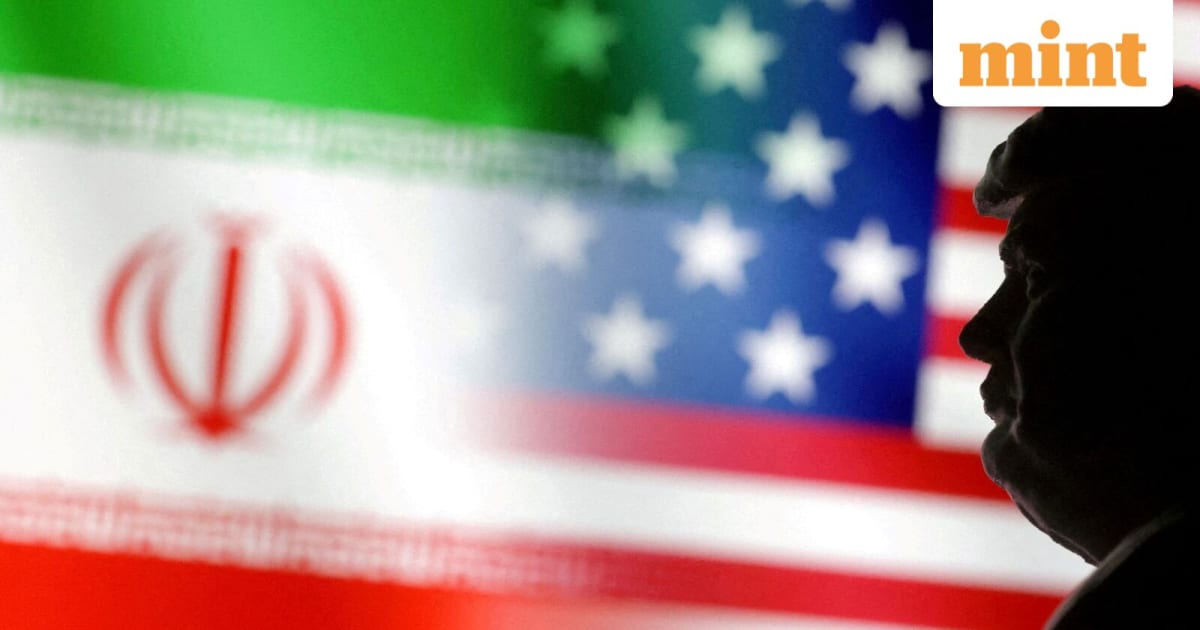
Donald Trump's refusal to accept Iran's proposal to reopen the Strait of Hormuz prior to nuclear negotiations has sent shockwaves through global energy markets. For India, the world's third-largest oil consumer, this geopolitical stalemate threatens to derail the disinflationary trend and necessitates a portfolio rebalancing toward energy-resilient assets.
The Geopolitical Chessboard: Why Trump’s 'No' Echoes in Dalal Street
In a move that has recalibrated the geopolitical risk premium overnight, Donald Trump has reportedly rejected a strategic proposal from Tehran. The Iranian offer was deceptively simple: a guaranteed reopening of the Strait of Hormuz—the world's most vital maritime oil chokepoint—in exchange for a seat at the negotiating table before formal nuclear talks commenced. By rejecting this 'de-escalation' carrot, the Trump administration has signaled a return to the 'Maximum Pressure' playbook, ensuring that the 21 million barrels of oil flowing through the Strait daily remain a pawn in a high-stakes game of brinkmanship.
For the Indian investor, this is not merely a headline from the Middle East; it is a direct threat to the fiscal deficit. India imports nearly 85% of its crude oil requirements. When the Strait of Hormuz—through which one-fifth of global oil consumption passes—is clouded by uncertainty, the Brent Crude floor rises. We are no longer looking at oil as a commodity, but as a geopolitical volatility index. Historical data suggests that every $10 increase in the price of a barrel of oil can widen India’s Current Account Deficit (CAD) by approximately 0.5% of GDP and add 30-40 basis points to consumer price inflation.
"The rejection of this proposal effectively removes the 'peace dividend' that markets were beginning to price in. We are moving from a supply-surplus narrative back to a supply-security narrative," says the WelthWest Research Desk analysis.
How will rising crude oil prices affect the Indian stock market?
The immediate impact of a stalled Hormuz resolution is a 'tax' on the Indian economy. When crude prices remain elevated or volatile, the Reserve Bank of India (RBI) finds its hands tied regarding interest rate cuts. The 'higher-for-longer' interest rate environment in India is now inextricably linked to the 'higher-for-longer' energy price environment in the Persian Gulf. In 2022, when the Russia-Ukraine conflict spiked oil to $130, the Nifty 50 corrected by nearly 10% in a month; while we aren't at those levels yet, the rejection of the Iran deal sets a floor under oil prices at $80-$85, preventing the cooling necessary for a sustained market rally.
The Rupee Under Pressure
As oil prices climb, the demand for Dollars by Indian oil marketing companies increases. This puts downward pressure on the INR. A weaker Rupee makes imports even more expensive, creating a feedback loop of imported inflation. Investors should watch the USD/INR 83.50-84.00 level closely; a breach here could trigger an exodus of Foreign Institutional Investors (FIIs) who fear currency depreciation eroding their equity returns.
Deep Dive: Stock-by-Stock Impact Analysis
The fallout from the Trump-Iran stalemate creates clear winners and losers across the NSE and BSE. Here is our forensic breakdown of the most affected tickers.
1. ONGC (NSE: ONGC) – The Natural Hedge
Sentiment: Bullish
As an upstream producer, Oil and Natural Gas Corporation (ONGC) is the primary beneficiary of elevated crude prices. For every $1 increase in the realized price of oil, ONGC’s EBITDA expands by roughly ₹1,100–₹1,300 crore. With a P/E ratio currently hovering around 7.5x, the stock remains undervalued compared to its global peers like ExxonMobil or Shell. However, investors must monitor the 'Windfall Tax'—the government's mechanism to skim off super-profits during high-price regimes.
2. Asian Paints (NSE: ASIANPAINT) – The Margin Squeeze
Sentiment: Bearish
The paint industry is essentially a proxy for crude oil. Derivatives like titanium dioxide and various monomers account for nearly 30-35% of the raw material cost for Asian Paints. Unlike the 2021-22 period where they could pass on costs easily, the current demand environment is more sensitive. A sustained oil price above $85 will lead to significant margin contraction in Q3 and Q4. Peer stocks like Berger Paints and Kansai Nerolac will likely face similar headwinds.
3. InterGlobe Aviation (NSE: INDIGO) – Turbulent Skies
Sentiment: Bearish
Aviation Turbine Fuel (ATF) accounts for nearly 40% of the operating expenses for IndiGo. The airline industry has zero resilience to sudden oil spikes. While IndiGo has a dominant 60%+ market share in India, its ability to hike fares is capped by consumer spending power. If the Strait of Hormuz tension leads to a 10% spike in ATF, IndiGo's path to consistent profitability becomes significantly steeper.
4. Reliance Industries (NSE: RELIANCE) – The Complex Middle Ground
Sentiment: Neutral to Bullish
Reliance operates the world’s largest refining complex at Jamnagar. While higher crude prices increase input costs, they often lead to higher Gross Refining Margins (GRMs) if global product demand remains steady. Reliance’s ability to process 'heavy' or 'sour' crudes—often sold at a discount during geopolitical turmoil—gives it a competitive edge over simpler refineries like CPCL or MRPL.
5. HPCL & BPCL (NSE: HINDPETRO / BPCL) – The Policy Trap
Sentiment: Highly Bearish
Oil Marketing Companies (OMCs) are at the mercy of the government. With state elections frequently on the horizon, OMCs are often prevented from raising retail petrol and diesel prices even when global crude spikes. This results in 'under-recoveries.' If the Trump-Iran standoff keeps oil high, the recent dividend-paying streak of these PSUs could come to an abrupt halt.
Expert Perspective: The Bull vs. Bear Case
The Bear Case: Analysts at WelthWest argue that the market is underestimating the 'Contagion Risk.' It’s not just about the price of oil; it’s about the cost of insurance. Marine insurance premiums for tankers passing through the Persian Gulf could double, adding an invisible layer of cost to every barrel. This 'Geopolitical Surcharge' is structurally inflationary and could delay RBI rate cuts until late 2025.
The Bull Case: Contrarians argue that Trump’s rejection is a tactical move to force a *better* deal later. They point to US shale production, which is at record highs (13 million+ bpd), acting as a natural ceiling for oil prices. In this view, any spike is a 'selling opportunity' for oil and a 'buying opportunity' for Indian consumption stocks that will eventually benefit from the inevitable price mean-reversion.
Actionable Investor Playbook
- The Tactical Move: Increase allocation to Upstream Energy (ONGC, Oil India) as a portfolio hedge. If Brent stays above $85, these stocks provide a 'natural carry' through dividends and earnings growth.
- The Exit Strategy: Reduce exposure to high-beta, oil-sensitive sectors like Paints and Tile manufacturers (Kajaria, Somany) until crude stabilizes below $75.
- The Watchlist: Monitor the 10-year G-Sec Yield. If yields cross 7.2%, it indicates the market is pricing in higher inflation from oil, which is a signal to move into defensive sectors like IT and Pharma.
- Time Horizon: This is a 3-6 month geopolitical play. Do not overstay in cyclical energy stocks once diplomatic channels reopen.
Risk Matrix: Assessing the Fallout
To navigate this volatility, investors must quantify the risks. Below is the WelthWest Risk Assessment for the next two quarters:
| Risk Factor | Probability | Impact on Nifty |
|---|---|---|
| Total Blockade of Hormuz | Low (15%) | Catastrophic (-15-20%) |
| Sustained Oil at $90+ | High (60%) | Moderate Correction (-5%) |
| US Sanctions on Indian Oil Imports | Very Low (5%) | Severe (-10%) |
What to Watch Next: The Critical Catalysts
The story doesn't end with Trump's rejection. Three key triggers will determine the next leg of the market move:
- OPEC+ Meeting: Watch for any change in production quotas. If OPEC+ decides to extend cuts amid Hormuz tensions, $100 oil becomes a realistic possibility.
- US Strategic Petroleum Reserve (SPR) Levels: If the US starts aggressive refilling of the SPR, it will create a demand floor, keeping prices high even if the Strait remains open.
- EIA Inventory Data: Weekly releases every Wednesday provide the most accurate pulse of global demand-supply balance.
In conclusion, Trump’s decision to bypass the Iranian proposal has effectively 'locked in' a period of energy uncertainty. For the Indian market, which was looking for a catalyst to break out to new highs, this is a significant speed bump. Diversification into energy producers and a cautious stance on high-consumption sectors is the only prudent path forward in this 'maximum pressure' era.
Disclaimer: This content is generated by WelthWest Research Desk based on publicly available reports and is for informational purposes only. It does not constitute financial advice, investment recommendations, or an offer to buy or sell securities. Always consult a qualified financial advisor before making investment decisions.


