Key Takeaway
The Trump-Xi summit is a pivot point for global energy security; failure to contain Iran-linked volatility will force a rotation from consumer-facing sectors into defensive energy and gold-linked assets.
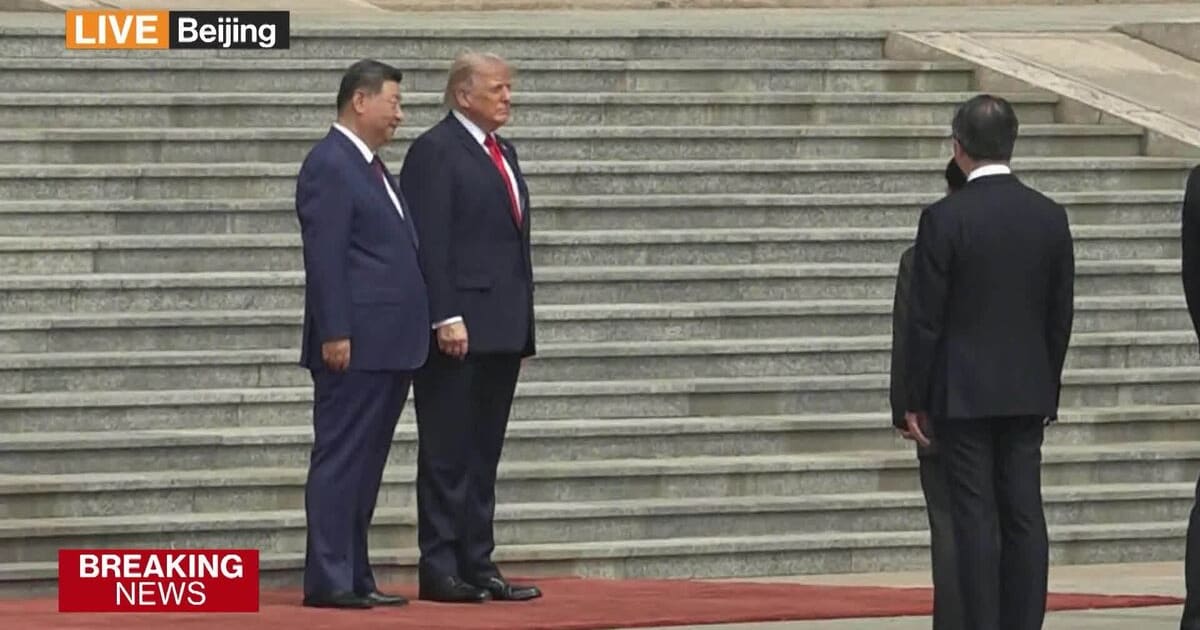
As Donald Trump and Xi Jinping meet in Beijing, the shadow of the Iran conflict looms over global markets. We analyze the fiscal implications for India, the potential for a Brent crude spike, and how investors should reposition their portfolios against sector-specific volatility.
The Beijing Summit: Geopolitics Meets Global Energy Security
The high-stakes summit between Donald Trump and Xi Jinping in Beijing represents more than just a diplomatic reset; it is a critical juncture for global energy markets. At the center of the negotiation is the Iran conflict—a variable that currently serves as the primary floor for global crude oil prices. For the Indian markets, which import over 85% of their crude requirements, the stakes could not be higher. If the two superpowers fail to reach a consensus on curbing Iranian supply or stabilizing maritime trade routes, the resulting geopolitical friction could trigger a supply-side shock, pushing Brent crude past the $90/bbl threshold.
How will the Trump-Xi summit affect Indian oil and gas stocks?
The correlation between geopolitical volatility in the Middle East and the Nifty 50 is historically significant. During the 2022 energy crisis, the Nifty Energy index saw a 14% correction over three months as fiscal deficit concerns mounted. Today, the impact is bifurcated:
- Upstream Producers: Companies like ONGC (BSE: 500312) benefit from higher net realizations per barrel. With a P/E ratio currently hovering near 7.5x, ONGC acts as a natural hedge against oil-linked inflation.
- Oil Marketing Companies (OMCs): Firms like BPCL (NSE: BPCL) face severe margin compression. When oil prices spike, OMCs struggle to pass costs to consumers due to political sensitivities, leading to immediate earnings per share (EPS) downgrades.
Sector-Level Analysis: Winners and Losers
The market is currently pricing in a 'wait-and-see' approach, but institutional flows suggest a rotation out of input-cost-sensitive sectors. Asian Paints (NSE: ASIANPAINT), with its heavy reliance on crude-derived petrochemicals, is particularly vulnerable. Historically, for every 10% move in Brent, Asian Paints has seen a 150-200 basis point contraction in operating margins.
The Logistics and Aviation Drag
InterGlobe Aviation (NSE: INDIGO) operates on thin margins where fuel accounts for nearly 40% of operating costs. Any spike in ATF (Aviation Turbine Fuel) driven by Iran-related supply chain disruptions directly impacts the bottom line. We anticipate a 5-8% downside risk if oil prices sustain a 15% rally from current levels.
Strategic Stock Breakdown
1. ONGC (BSE: 500312): The primary beneficiary. With a market cap of approximately ₹3.6 lakh crore, it remains a defensive play. Bull Case: Sustained $85+ oil prices lead to windfall profit margin expansion. Bear Case: Government intervention via cess/windfall taxes.
2. Reliance Industries (NSE: RELIANCE): A complex play. While refining margins (GRMs) benefit from volatility, the O2C segment faces headwinds from global demand slowdowns. RIL’s diversification into Green Energy provides a long-term buffer against fossil fuel volatility.
3. HAL (NSE: HAL): Defense stocks are the 'safe haven' of choice during geopolitical instability. HAL’s robust order book (exceeding ₹80,000 crore) and the current push for indigenous defense production make it an outlier that thrives when global tensions rise.
Expert Perspective: The Bull vs. Bear Debate
The Bull Argument: Optimists suggest the Beijing summit will result in a 'Grand Bargain' where China exerts influence over Tehran in exchange for trade concessions from the US, effectively cooling oil prices and providing a tailwind for Indian consumption stocks.
The Bear Argument: Skeptics argue that the Iran-China nexus is too deep to be undone by a single summit. They predict that secondary US sanctions on Chinese firms will lead to a 'de-globalization' shock, causing liquidity to dry up and a flight to safety, where only Gold and USD-denominated assets outperform.
Investor Playbook: Navigating the Volatility
For investors looking to optimize their portfolios, the current environment demands a tactical shift:
- Reduce Exposure: Trim positions in aviation and paint manufacturers that lack the pricing power to offset a crude spike.
- Increase Defensive Allocations: Allocate 10-15% of the portfolio to Gold ETFs or upstream energy producers like ONGC.
- Watch the Rupee: Monitor the USD/INR pair closely. A breach of 84.50 signals significant FII outflows, which would necessitate a defensive stance across mid-cap portfolios.
Risk Matrix: Assessing the Geopolitical Fallout
| Risk Factor | Probability | Impact |
|---|---|---|
| Failure of Iran Consensus | High (65%) | High (Brent > $95) |
| Secondary US Sanctions | Medium (40%) | High (Market Volatility) |
| Global Trade Slowdown | Medium (50%) | Medium (Export Drag) |
What to Watch Next
The market will be hyper-focused on the OPEC+ production meeting following the summit. Any signal that Saudi Arabia or Russia plans to increase output to offset potential Iranian disruptions will be the primary catalyst for a market reversal. Investors should also watch the RBI Monetary Policy Committee (MPC) minutes; if the central bank signals that oil-led inflation is becoming structural, expect a 'higher-for-longer' interest rate environment that will pressure high-P/E growth stocks.
Disclaimer: This content is generated by WelthWest Research Desk based on publicly available reports and is for informational purposes only. It does not constitute financial advice, investment recommendations, or an offer to buy or sell securities. Always consult a qualified financial advisor before making investment decisions.


