Key Takeaway
The US-China cooling period stabilizes global logistics but tests India’s 'China Plus One' momentum. Investors must pivot from aggressive manufacturing plays to resilient IT and diversified chemical exporters.
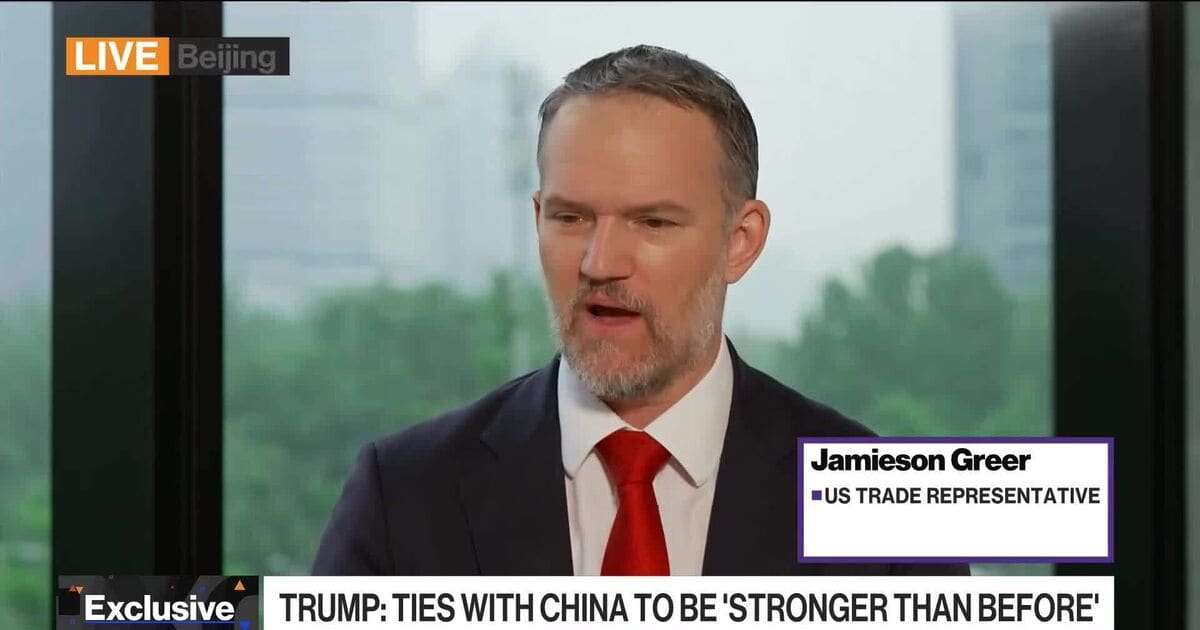
As Washington and Beijing seek a fragile stability in trade relations, the narrative for Indian equities shifts. We analyze why this geopolitical thaw creates a tactical hurdle for domestic manufacturing FDI while providing a tailwind for IT services and specialty chemicals.
The Geopolitical Thaw: Decoding the US-China Trade Truce
The global economic architecture is undergoing a subtle, yet profound, recalibration. Following recent diplomatic overtures, the cooling of tensions between Washington and Beijing marks the first significant trade truce since the height of the 2022 supply chain crisis. For global markets, this represents a transition from 'decoupling' to 'de-risking,' a shift that fundamentally alters the investment thesis for emerging markets—most notably India.
During the 2022 trade friction, the Nifty 50 demonstrated a high correlation with global volatility indices, often correcting 3-5% on news of tariff escalations. This current truce acts as a macroeconomic stabilizer, reducing the cost of capital and easing the procurement of rare earth elements, which had previously hampered high-tech manufacturing.
Why Is the 'China Plus One' Strategy Now at an Inflection Point?
For the past three years, India has been the primary beneficiary of the 'China Plus One' strategy, capturing significant FDI inflows as multinationals sought to diversify supply chains. However, as US-China relations stabilize, the urgency for firms to relocate manufacturing capacity out of China may diminish. This creates a short-term risk for India’s domestic manufacturing sector, which has been pricing in aggressive growth expectations.
How will the trade truce impact Indian manufacturing FDI?
The influx of capital into Indian electronics and heavy manufacturing, while structural, is sensitive to global supply chain costs. If Chinese logistics become predictable and tariff-free once more, the 'cost-arbitrage' advantage India holds may narrow. We expect a shift in FDI focus: from broad-based manufacturing to high-value, specialized manufacturing where India maintains an IP-led competitive edge.
Stock-by-Stock Breakdown: Winners and Navigators
The market impact is binary. We categorize the following NSE-listed entities based on their exposure to global supply chain volatility and the shifting trade landscape:
- TCS (TCS.NS): With a market cap exceeding ₹15 lakh crore and a P/E ratio of ~30x, TCS benefits from the stabilization of US corporate spending. As trade uncertainty wanes, US-based clients are expected to resume long-term digital transformation projects, providing a revenue tailwind.
- Infosys (INFY.NS): Similar to TCS, INFY stands to gain from a more predictable global macro environment. Historically, INFY’s stock price has shown a 0.7 beta to US tech spending; a calmer trade environment is a net positive for margins.
- DCM Shriram (DCMSHRIRAM.NS): As a major player in chemicals and polymers, DCM Shriram faces a neutral outlook. While global commodity prices may stabilize, the pressure from cheap Chinese chemical imports could persist if the truce leads to an oversupply in the Asian market.
- SRF (SRF.NS): SRF’s specialty chemical division is sensitive to global procurement shifts. While the trade truce aids logistics, it may intensify competition. Investors should watch their EBITDA margins, currently hovering around 20-22%, for signs of pricing pressure.
Expert Perspective: The Bull vs. Bear Debate
The Bull Case: Proponents argue that the truce creates a 'Goldilocks' scenario. Global inflation, fueled by supply chain disruptions, will cool, allowing central banks—including the RBI—to maintain a supportive rate environment. This is bullish for mid-cap manufacturing and IT services alike.
The Bear Case: Skeptics contend that this truce is merely a tactical pause before the next geopolitical cycle. They argue that the structural shift away from China is irreversible, but a temporary truce creates a 'false sense of security' that could lead to valuation traps in Indian sectors that have grown too fast on the back of the 'China Plus One' narrative.
Actionable Investor Playbook
Investors should move away from 'beta-heavy' manufacturing stocks that have already priced in the full benefit of supply chain shifts. Instead, focus on companies with pricing power and high-moat business models.
- Watch: Monitor the USD-INR pair. A stronger Dollar post-truce could compress margins for domestic manufacturing importers.
- Buy: Look for entry points in IT services (INFY, TCS) on dips; they are the primary beneficiaries of a return to global corporate spending stability.
- Sell/Trim: Reduce exposure to small-cap manufacturers that lack export diversification and are vulnerable to a sudden influx of Chinese inventory.
Risk Matrix
| Risk Factor | Probability | Impact |
|---|---|---|
| Sudden Tariff Escalation | Medium (40%) | High (Volatility) |
| Global Recessionary Pressure | Low (25%) | High (Demand Shock) |
| Rare Earth Supply Squeeze | Medium (30%) | Medium (Margin Compression) |
What to Watch Next
The upcoming US Federal Reserve meeting and the release of Chinese trade balance data are the two most critical catalysts. Any deviation from the 'truce' narrative in these reports will trigger a flight-to-safety, favoring gold and USD-denominated assets. Investors should track the 10-year Treasury yield, as it remains the ultimate barometer for global trade sentiment and capital flow directionality.
Disclaimer: This content is generated by WelthWest Research Desk based on publicly available reports and is for informational purposes only. It does not constitute financial advice, investment recommendations, or an offer to buy or sell securities. Always consult a qualified financial advisor before making investment decisions.