Key Takeaway
The anticipated US CPI spike signals a 'higher-for-longer' interest rate regime, forcing a flight from high-beta tech to defensive yield. For Indian investors, this marks a tactical shift from growth-at-any-price to value-based resilience.
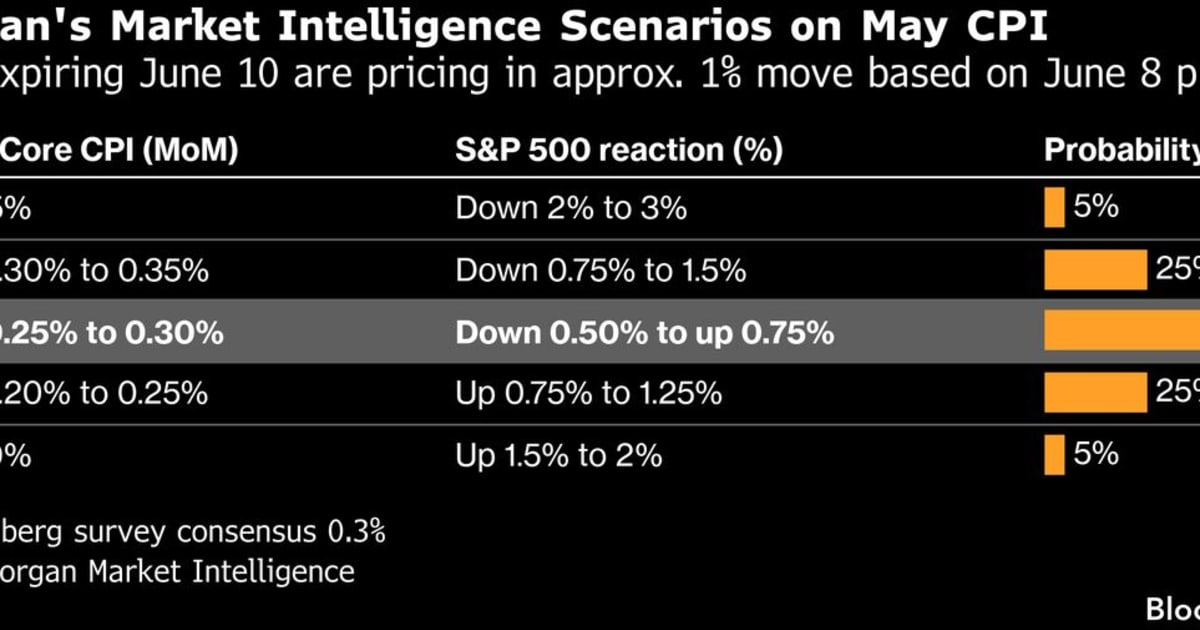
Rising US inflation expectations are tightening global liquidity, putting intense pressure on Indian IT services exports. This analysis explores the ripple effects on Nifty tech majors and identifies the defensive sectors poised to outperform in a high-rate environment.
The Macro Storm: Why US CPI is Shaking the Nifty IT Index
The global equity landscape is currently tethered to a single, high-stakes data point: the upcoming US Consumer Price Index (CPI) print. As traders brace for a potential upside surprise, the correlation between US Treasury yields and Indian IT stock valuations has reached a critical inflection point. When US inflation spikes, the Federal Reserve’s path to a dovish pivot narrows, keeping the 'risk-free' rate—the 10-year US Treasury yield—elevated. For the Indian IT sector, which derives over 60% of its revenue from North American clients, this is a liquidity-draining event.
Historically, when the US 10-year yield breaches the 4.5% threshold, FIIs (Foreign Institutional Investors) tend to rotate capital out of high-beta emerging market growth stocks into US dollar-denominated cash equivalents or defensive domestic sectors. In 2022, a similar inflationary environment saw the Nifty IT index shed nearly 25% of its value as valuation multiples (P/E ratios) compressed from 35x to sub-25x levels.
How will the US inflation spike impact Indian IT earnings?
The impact is two-fold: direct margin pressure and valuation rerating. Indian IT firms are currently facing a 'double-squeeze.' First, US enterprises are tightening their discretionary IT spending budgets in response to their own rising cost of capital. Second, the discount rate applied to future cash flows—a core component of DCF (Discounted Cash Flow) modeling—increases as US yields rise, automatically lowering the present value of future earnings for growth-oriented tech stocks.
Stock-by-Stock Breakdown: The Frontline of the Selloff
- TCS (TCS.NS): With a market cap exceeding ₹14 lakh crore, TCS remains the industry bellwether. While its balance sheet is fortress-like, its P/E ratio of ~30x is sensitive to yield spikes. Expect institutional sell-offs if the CPI print confirms sustained inflation.
- Infosys (INFY.NS): Infosys is highly exposed to the US financial services sector. As US banks face tighter margins, their IT budgets are the first to be pruned. A sustained selloff here could see the stock test its 200-day moving average.
- HCLTech (HCLTECH.NS): HCL’s focus on engineering and R&D services provides some insulation, but its high beta makes it a primary target for algorithmic selling during market-wide corrections.
- Wipro (WIPRO.NS) & Tech Mahindra (TECHM.NS): These firms are currently in the midst of turnaround strategies. In a high-interest-rate environment, the market has little patience for execution delays, making them vulnerable to sharp downward volatility.
The Great Rotation: Where is the Smart Money Moving?
As IT faces headwinds, the 'safe haven' trade is gaining momentum. Banking stocks are emerging as the primary beneficiaries of a higher-for-longer interest rate environment. Unlike IT, which suffers from higher discount rates, Indian private banks (such as HDFC Bank and ICICI Bank) benefit from wider Net Interest Margins (NIMs) as the transmission of RBI rates remains sticky. Furthermore, defensive sectors like FMCG and Pharma are seeing increased inflows as investors prioritize companies with strong pricing power and predictable cash flows.
Actionable Investor Playbook: Navigating the Volatility
1. Defensive Positioning: Reduce exposure to high-beta IT midcaps. Shift capital toward high-dividend yield stocks in the FMCG or PSU banking space to hedge against market drawdown.
2. Watch the Currency: Monitor the USD/INR pair. While a weaker Rupee theoretically benefits IT exporters, the market currently views it as a sign of capital flight. If the Rupee depreciates past 84.50, expect broader Nifty volatility.
3. Entry Strategy: Do not 'catch the falling knife' in tech. Wait for a base-building formation on the Nifty IT index. Look for P/E ratios to revert to their 5-year historical mean (approx. 22x-24x) before initiating long-term positions.
Risk Matrix: Assessing the Downside
| Risk Factor | Probability | Impact |
|---|---|---|
| US CPI > 3.5% (Year-over-Year) | High | Severe (Nifty IT correction > 5%) |
| FII Outflow Acceleration | Medium | High (Broad market impact) |
| IT Budget Cuts by Fortune 500 | High | Medium (Margin compression) |
What to Watch Next: Catalysts for Q3 and Beyond
The immediate catalyst is the upcoming Bureau of Labor Statistics (BLS) release. Beyond that, investors must track the management commentary from the next quarterly earnings season. If firms like TCS or Infosys signal a shift toward 'cost-optimization' over 'digital transformation' projects, it confirms the bearish thesis for the sector. Keep a close eye on the US 10-year Treasury yield—it is the ultimate barometer for the next phase of this market cycle.
Disclaimer: This content is generated by WelthWest Research Desk based on publicly available reports and is for informational purposes only. It does not constitute financial advice, investment recommendations, or an offer to buy or sell securities. Always consult a qualified financial advisor before making investment decisions.