Key Takeaway
The US crackdown on Nobitex marks a strategic escalation in financial warfare, tightening the squeeze on Iran’s revenue. For Indian investors, this signals a high-probability surge in crude volatility, necessitating a defensive pivot from aviation and OMCs toward energy and defense stalwarts.
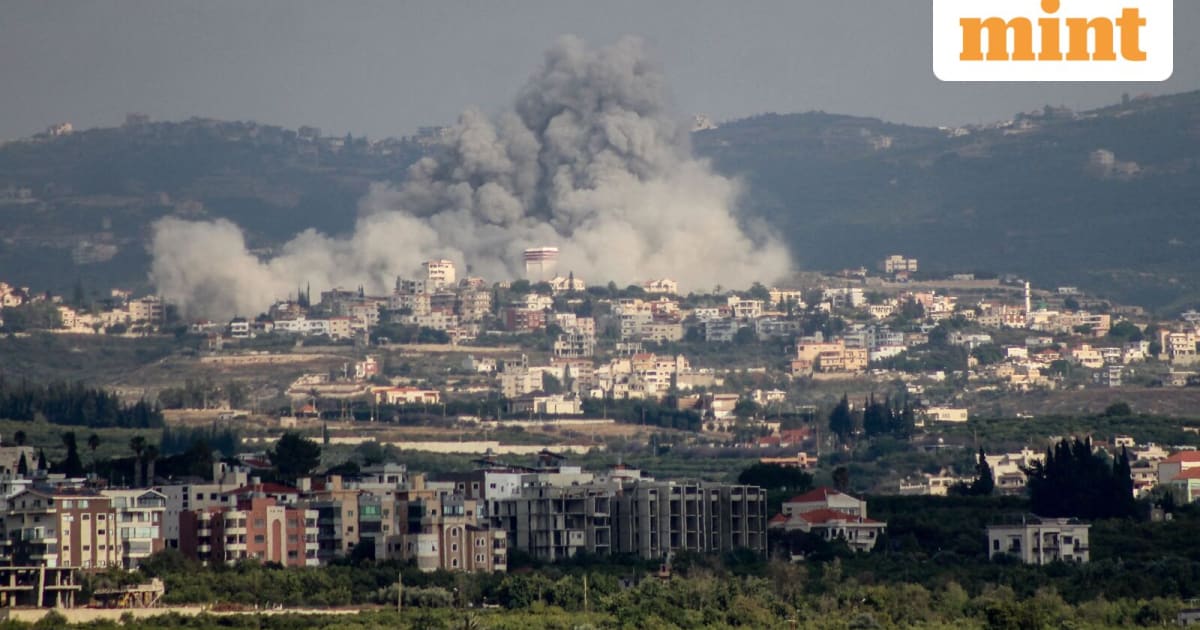
The US has imposed fresh sanctions on Nobitex, Iran's largest crypto exchange, citing ties to the IRGC. This move threatens to destabilize already sensitive crude oil markets. We analyze the ripple effects on the Nifty, identify vulnerable sectors, and provide a tactical playbook for the current geopolitical climate.
The Geopolitical Domino Effect: Why Nobitex Sanctions Matter
In a move that reverberates far beyond the digital asset ecosystem, the US Treasury’s decision to blacklist Nobitex—Iran’s largest cryptocurrency exchange—represents a tactical shift in the ongoing US-Iran geopolitical theater. By targeting the IRGC's primary financial conduit for bypassing traditional banking sanctions, the US is not just attacking crypto; it is tightening the screws on the Iranian economy, which remains a critical, if shadow-bound, player in global energy markets.
For the astute investor, this is not merely a headline about digital currencies. It is a signal of heightened friction in the Strait of Hormuz. Whenever tensions spike in this region, the global crude oil risk premium resets, creating a domino effect that hits India—the world’s third-largest oil importer—hardest.
How Will Rising Crude Oil Prices Impact Indian Inflation and Interest Rates?
India’s macro-economic health is inextricably linked to the price of the Indian Basket of crude. When tensions rise, the risk premium on oil surges. Historically, when oil prices jump by 10%, India’s Current Account Deficit (CAD) expands by roughly 0.4% of GDP. This puts downward pressure on the INR and forces the Reserve Bank of India (RBI) into a corner.
If crude remains elevated, the RBI is forced to maintain a hawkish stance to curb imported inflation, effectively delaying any anticipated rate cuts. For the equity markets, this is a double-whammy: higher input costs for manufacturers and a higher discount rate for equity valuations.
Sectoral Impact: The Winners and Losers
The market impact follows a predictable, yet brutal, logic. As oil prices fluctuate, capital flows rotate rapidly out of sectors sensitive to fuel costs and into those that benefit from government spending or geopolitical hedging.
The Losers: Margin Compression and Operational Headwinds
- Aviation (IndiGo): Jet fuel (ATF) accounts for 35-40% of operating expenses. A sustained $5-10/barrel increase can wipe out quarterly profitability for carriers like InterGlobe Aviation (INDIGO).
- Oil Marketing Companies (OMCs): For HPCL and BPCL, the primary risk is the government’s reluctance to pass on retail price hikes during inflationary cycles, leading to under-recoveries and gross margin compression.
- Paint and Tyre Manufacturers: Both industries are heavily dependent on crude derivatives (titanium dioxide for paints, synthetic rubber for tyres). Any spike in crude prices directly hits their EBITDA margins, which are already under pressure.
The Winners: Strategic Hedges
- Energy Exploration (ONGC, OIL): As crude prices rise, the realisations for ONGC and Oil India (OIL) improve significantly, boosting bottom-line growth.
- Defense (HAL, BEL): Geopolitical instability acts as a catalyst for increased defense spending. Hindustan Aeronautics (HAL) and Bharat Electronics (BEL) benefit from the government's push for indigenization and long-term order books, providing a safe haven from macroeconomic noise.
Stock-by-Stock Breakdown: Where to Pivot
1. ONGC (NSE: ONGC): With a market cap exceeding ₹4 lakh crore, ONGC is the primary beneficiary of higher crude prices. Its P/E ratio remains attractive compared to global peers, and a rise in crude realization directly flows into its free cash flow, supporting dividends.
2. Hindustan Aeronautics Ltd (NSE: HAL): Trading at a premium valuation, HAL is the structural winner here. With an order book visibility of over 5 years, the company is insulated from the short-term volatility that plagues consumption-linked stocks.
3. InterGlobe Aviation (NSE: INDIGO): Investors should be wary. At current valuations, the stock has priced in a stable fuel environment. A geopolitical spike in crude is a significant risk to its FY25 guidance.
4. Bharat Electronics (NSE: BEL): As a leader in defense electronics, BEL offers the best hedge against geopolitical uncertainty. Its robust order pipeline and high margins make it a defensive play in a volatile market.
The Expert Perspective: Bull vs. Bear
The Bear Case: Bears argue that the sanctions on Nobitex are a distraction and that the global oil supply remains sufficient due to US shale production. They suggest that any volatility will be temporary and that the Indian market’s resilience will trump geopolitical fears.
The Bull Case: Bulls point to the 'Risk Premium' argument. They believe the market consistently underprices geopolitical risk. By front-running the potential supply disruption, investors can capture alpha in energy and defense while avoiding the inevitable margin-crushing impact on the broader Nifty 50.
Actionable Investor Playbook
- Trim exposure: Reduce positions in aviation and paint stocks (e.g., Asian Paints, Berger Paints) if crude oil crosses the $85/barrel mark.
- Accumulate Energy: Use dips in ONGC to build a long-term position, targeting a 10-15% allocation to energy exploration.
- Defensive Defense: Maintain or increase allocation to HAL/BEL. These are 'buy-on-dip' assets that benefit from the very instability causing market-wide fear.
- Monitor the INR: If the Rupee weakens beyond 84.50 against the USD, expect an immediate outflow from FIIs, which will exacerbate the sell-off in mid-cap stocks.
Risk Matrix
| Risk Factor | Probability | Impact |
|---|---|---|
| Sustained $90+ Crude | Medium | High |
| RBI Rate Hike | Low | High |
| Escalation of Middle East Conflict | Medium | Very High |
What to Watch Next
Keep a close eye on the OPEC+ production meeting schedules and the US CPI data releases. These two data points will dictate the next 30 days of market sentiment. Any unexpected supply cut by OPEC+ in response to these sanctions will be the primary catalyst for a sharp move in energy stocks.
Disclaimer: This content is generated by WelthWest Research Desk based on publicly available reports and is for informational purposes only. It does not constitute financial advice, investment recommendations, or an offer to buy or sell securities. Always consult a qualified financial advisor before making investment decisions.