Key Takeaway
The stalemate in US-Iran negotiations keeps a permanent risk premium on Brent crude, forcing Indian investors to hedge against margin compression in energy-sensitive sectors while favoring upstream energy producers.
With the US-Iran deal in limbo, global crude oil prices remain highly sensitive to geopolitical shifts. This article dissects the cascading impact on India’s trade deficit, specific NSE/BSE stock performance, and provides a tactical playbook for navigating the resulting market volatility.
The Geopolitical Risk Premium: Why the US-Iran Deadlock Matters
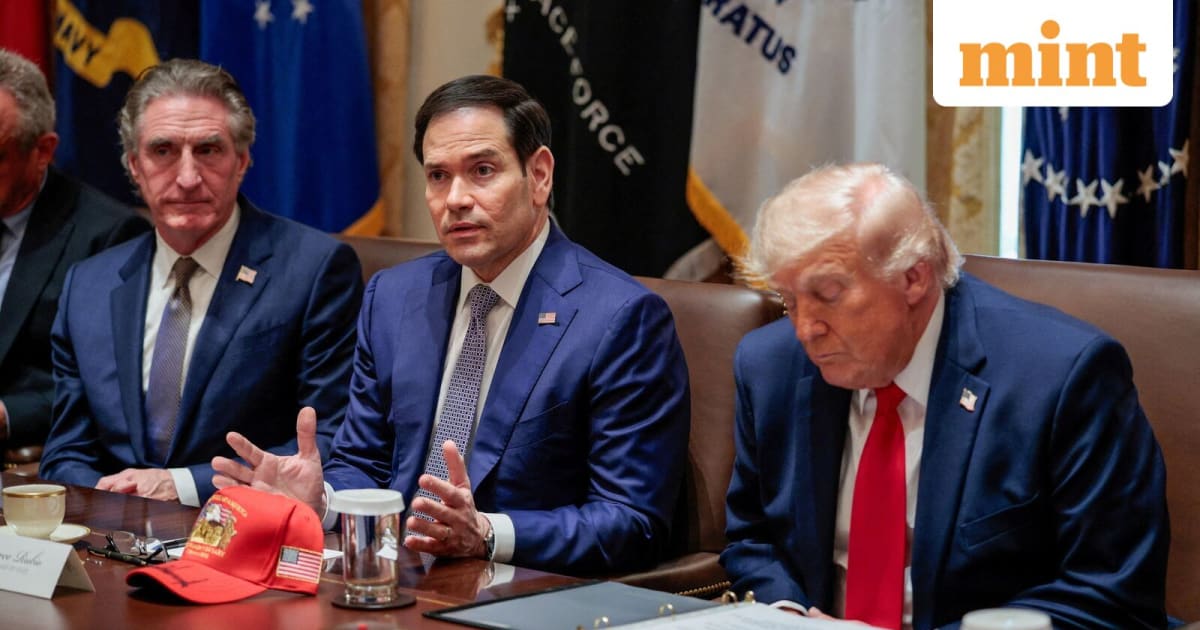
The sudden departure of the Trump administration from the Situation Room without a definitive Iran deal has sent shockwaves through global energy markets. For the Indian economy—which imports over 85% of its crude oil requirements—this is not merely a diplomatic footnote; it is a direct threat to the current account deficit (CAD) and domestic inflation trajectory.
When the US-Iran geopolitical risk premium remains elevated, Brent crude rarely finds a stable floor. Historically, during the 2022 energy supply shocks, we observed the Nifty 50 suffer a drawdown of nearly 7% in the month following the initial escalation, as the market priced in higher input costs. Today, the stakes are higher: the Indian manufacturing sector, particularly in chemicals and paints, is still recovering from post-pandemic margin volatility.
How Will Crude Oil Volatility Affect Indian Corporate Earnings?
The correlation between global oil benchmarks and Indian corporate earnings is non-linear but profound. As crude prices climb, the transmission mechanism works against downstream players. For Oil Marketing Companies (OMCs), the inability to fully pass on price hikes during election cycles or periods of political sensitivity leads to significant under-recoveries, directly eroding EBITDA margins.
The Sectoral Divide: Winners vs. Losers
The market is currently bifurcating into two distinct camps:
- Upstream Energy Producers: Companies like ONGC and OIL stand to benefit from higher realisations per barrel. As Brent crude sustains levels above $80, their revenue growth accelerates without a commensurate increase in production costs.
- Downstream & Energy-Sensitive Sectors: Aviation (Indigo) and Paint manufacturers (Asian Paints, Berger Paints) operate on thin margins where crude derivatives (like ATF and petroleum-based solvents) constitute a significant portion of the cost of goods sold (COGS).
Stock-by-Stock Breakdown: Navigating the Volatility
1. ONGC (Oil & Natural Gas Corp)
With a market cap exceeding ₹3.5 lakh crore, ONGC is the primary hedge against oil-driven inflation. Its P/E ratio, often trading in the single digits, provides a margin of safety. Investors should watch for 'windfall tax' adjustments which remain the primary regulatory risk for this stock.
2. BPCL & IOCL (Oil Marketing Companies)
These stocks are currently in the 'danger zone'. While dividend yields may seem attractive, their earnings are tethered to the government's pricing policy. If crude remains elevated, expect a compression in marketing margins that will likely lead to a downward revision in EPS estimates for FY25.
3. InterGlobe Aviation (IndiGo)
Aviation Turbine Fuel (ATF) accounts for nearly 40% of Indigo’s operating expenses. A sustained $5-$10 rise in crude oil prices can wipe out quarterly profitability. Investors should exercise caution until hedging strategies are confirmed in their upcoming earnings call.
4. Asian Paints & Berger Paints
These companies rely on crude-derived monomers and resins. When crude spikes, their 'premiumization' strategy faces a wall as the price elasticity of demand for paints becomes apparent. Watch for margin contraction in the next two quarters.
Expert Perspective: The Bull vs. The Bear Case
The divergence in analyst sentiment is stark. Bulls argue that India’s robust domestic demand and structural growth story will decouple the Nifty from global oil shocks. Bears, however, point to the 2013 'taper tantrum' parallel, suggesting that if oil stays high, the rupee will weaken, forcing the RBI to keep interest rates higher for longer, effectively killing the equity rally.
Actionable Investor Playbook
For the retail and institutional investor, the current environment demands a defensive posture:
- Reduce Exposure: Trim positions in high-beta paint and logistics stocks that cannot pass on inflationary costs.
- Tactical Rotation: Shift capital into upstream energy stocks or defensive sectors like IT and FMCG that have low correlation to crude oil prices.
- Monitor Entry Points: If a breakthrough in US-Iran talks occurs, expect a 'relief rally' in aviation and paints. Use this as an opportunity to re-enter if the valuation multiples have compressed sufficiently.
Risk Matrix: Assessing the Fallout
| Risk Factor | Impact | Probability |
|---|---|---|
| Total Breakdown in Talks | High | Medium (40%) |
| Supply Chain Disruption (Straits of Hormuz) | Extreme | Low (15%) |
| RBI Monetary Tightening | Medium | High (60%) |
What to Watch Next: Catalysts for Market Movement
The next 30 days are critical. Watch for the OPEC+ meeting minutes and any signals from the US Department of State regarding secondary sanctions on Iran. Additionally, keep a close eye on the RBI’s MPC meeting; if they signal a hawkish stance due to imported inflation, the market will likely undergo a broader correction. Investors should track the Brent Crude futures (ICE) daily as a proxy for market sentiment regarding the geopolitical deadlock.
Disclaimer: This content is generated by WelthWest Research Desk based on publicly available reports and is for informational purposes only. It does not constitute financial advice, investment recommendations, or an offer to buy or sell securities. Always consult a qualified financial advisor before making investment decisions.


