Key Takeaway
The cooling of the Strait of Hormuz tensions acts as a massive macro tailwind for India, effectively serving as a 'stealth rate cut' that bolsters margins for OMCs, aviation, and manufacturing sectors while challenging upstream energy producers.
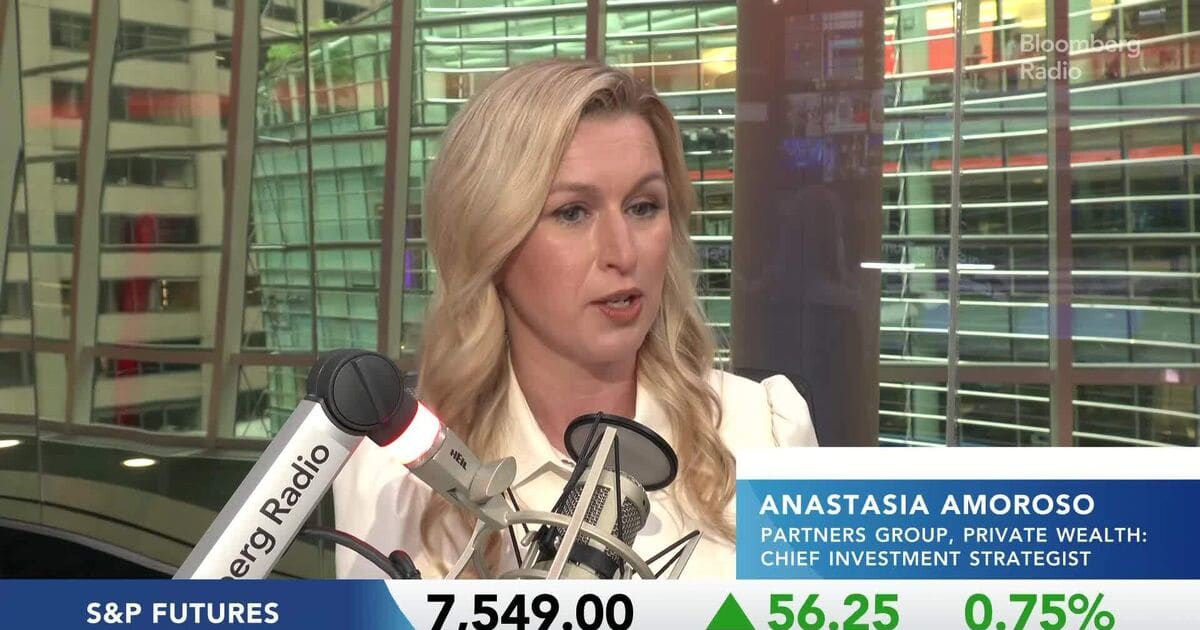
Geopolitical de-escalation between Washington and Tehran has triggered a sharp retreat in global oil prices. For the Indian economy, this represents a significant reduction in import costs, improved fiscal health, and a potential pivot point for RBI monetary policy. Investors must now recalibrate their portfolios to capitalize on margin expansion in downstream sectors.
The Geopolitical Pivot: Why Oil Prices Are Cascading
In the high-stakes theater of global energy, the Strait of Hormuz has long served as a geopolitical choke point. The recent diplomatic rapprochement between the United States and Iran has effectively removed a significant 'war premium' from the price of Brent crude. For energy-import-dependent economies like India, which imports over 85% of its crude requirements, this is not merely a headline—it is a structural shift in the macro-economic landscape.
Historically, crude oil prices above $85 per barrel have acted as a gravitational drag on the Indian Rupee and a persistent inflationary force. When oil prices retreat, the Current Account Deficit (CAD) narrows, providing the Reserve Bank of India (RBI) with the necessary breathing room to pivot from a hawkish stance to a neutral or dovish trajectory. This is the 'stealth rate cut' that equity markets crave.
How will the US-Iran deal impact Indian stock valuations?
The transmission mechanism from lower oil prices to higher equity valuations is linear but profound. Lower crude prices translate directly into reduced input costs for India’s manufacturing and logistics-heavy sectors. When the cost of refined products decreases, the purchasing power of the Indian consumer effectively rises, creating a virtuous cycle of demand-led growth.
Looking back at the 2022 energy crisis, the Nifty 50 experienced significant volatility as inflation prints surged. Conversely, during periods of price stabilization, we have observed a strong correlation between lower oil prices and P/E expansion in the Nifty Midcap and Smallcap indices. We expect a similar trend here: as input costs stabilize, earnings per share (EPS) estimates for the next four quarters are likely to be revised upward across the consumer discretionary and industrial sectors.
The Winners: Margin Expansion Candidates
The immediate beneficiaries are the Oil Marketing Companies (OMCs). With crude prices dropping, the under-recoveries on petrol and diesel sales diminish, allowing companies like IOCL (NSE: IOC) and BPCL (NSE: BPCL) to report significant margin expansion. Furthermore, the Aviation sector, represented by InterGlobe Aviation (NSE: INDIGO), stands to gain as Aviation Turbine Fuel (ATF) accounts for nearly 40% of their operational expenditure.
Beyond energy, we are bullish on Paint manufacturers (Asian Paints, Berger Paints) and Tyre manufacturers (MRF, Apollo Tyres). These firms are highly sensitive to crude derivatives. A sustained decline in oil prices reduces the cost of petrochemical-based raw materials, which typically constitute 30-50% of their COGS (Cost of Goods Sold). We anticipate a 150-200 basis point improvement in EBITDA margins for these firms over the next two fiscal quarters.
The Losers: The Upstream Struggle
The inverse is true for Upstream Oil Producers such as ONGC (NSE: ONGC) and Oil India (NSE: OIL). Their revenue models are directly tied to the net realization price of crude. As global benchmarks soften, their top-line growth and operating margins will face immediate compression. Investors holding these stocks for dividend yield should exercise caution, as lower free cash flows may pressure payout ratios.
Expert Perspective: The Bull vs. Bear Debate
The Bull Case: Bulls argue that the oil price decline is a structural deflationary tailwind. They point to the potential for the RBI to pause or cut rates, which would lower the cost of capital for India Inc., fueling a Capex cycle that has been waiting for lower interest rates to materialize.
The Bear Case: Skeptics, however, warn of the 'fragility premium.' If the US-Iran deal faces implementation hurdles or if OPEC+ decides to deepen production cuts to defend a price floor, the market could see a 'whipsaw' effect. A sudden reversal in oil prices would reignite inflationary fears, forcing the RBI to remain hawkish and putting pressure on equity valuations.
Actionable Investor Playbook
- Accumulate: Focus on downstream OMCs and Paint/Tyre stocks. Look for entry points during periods of market consolidation. Asian Paints (NSE: ASIANPAINT) with a P/E in the 50x-60x range offers a strong entry for long-term growth.
- Trim: Reduce exposure to upstream energy producers like ONGC. The risk-reward ratio is currently unfavorable as the market prices in lower realization figures.
- Watch: Monitor the 10-year G-Sec yields. If they soften in response to the oil price decline, it confirms the 'bullish' macro thesis for the broader Nifty 50.
Risk Matrix
| Risk Factor | Probability | Impact |
|---|---|---|
| Geopolitical Reversal | Medium | High |
| OPEC+ Supply Intervention | Medium | Medium |
| Currency Volatility (INR/USD) | Low | Medium |
What to watch next?
Investors should track the upcoming RBI Monetary Policy Committee (MPC) meeting for hints on interest rate trajectories. Additionally, keep a close watch on the monthly trade deficit data released by the Ministry of Commerce; a narrowing deficit will be the ultimate validation of the oil-driven economic recovery. The next 30 days will be critical in determining whether this oil price decline is a temporary dip or a sustained structural shift in the global energy equilibrium.
Disclaimer: This content is generated by WelthWest Research Desk based on publicly available reports and is for informational purposes only. It does not constitute financial advice, investment recommendations, or an offer to buy or sell securities. Always consult a qualified financial advisor before making investment decisions.


