Key Takeaway
The imminent US-Iran peace deal and reopening of the Strait of Hormuz heralds a new era of energy market stability. For India, this translates directly into a significant reduction in crude oil import costs, a powerful disinflationary impulse, and a potential multi-billion dollar economic stimulus, fundamentally reshaping the investment landscape for specific sectors and stocks.
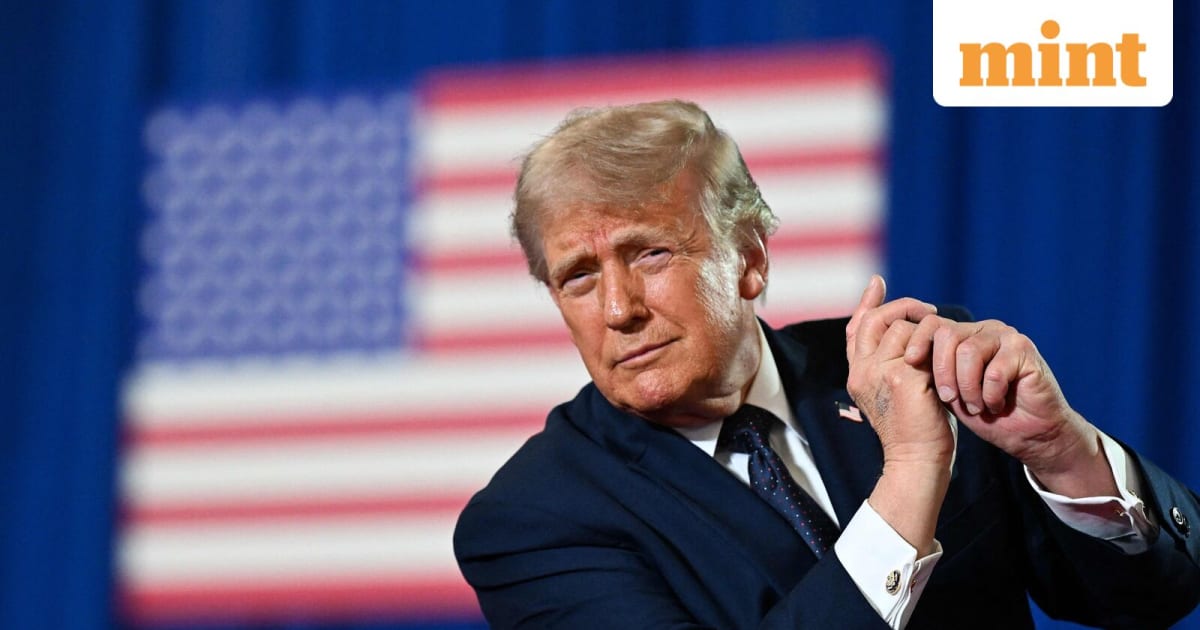
A landmark US-Iran peace agreement, nearing completion, is set to reopen the vital Strait of Hormuz, promising to dramatically reshape global crude oil markets. This pivotal geopolitical shift could lead to substantial drops in oil prices, offering India a crucial economic reprieve from its heavy import dependence. Our comprehensive analysis dissects the profound implications for inflation, the current account deficit, and provides an actionable investor playbook for navigating the Indian stock market.
US-Iran Peace Deal: Hormuz Reopens, Crude Oil Plunges – India's $70 Billion Windfall?
The global energy landscape stands on the precipice of a monumental shift. Reports from high-level diplomatic channels confirm that a comprehensive peace deal between the United States and Iran is nearing its final stages. This geopolitical breakthrough is not merely a diplomatic triumph; it carries profound implications for global crude oil markets, and by extension, the economic fortunes of import-dependent nations like India. The most immediate and impactful consequence? The imminent, unhindered reopening of the Strait of Hormuz, a choke point through which approximately 20% of the world's total petroleum liquids transit daily.
For years, geopolitical tensions in the Middle East, particularly involving Iran, have cast a long shadow over energy security, keeping crude oil prices volatile and often elevated due to perceived supply risks. The Strait of Hormuz, a narrow waterway connecting the Persian Gulf to the open ocean, has been at the heart of these anxieties. Its potential closure, or even significant disruption, has consistently factored a 'risk premium' into global oil benchmarks like Brent and WTI. The dismantling of this risk premium, coupled with the potential reintroduction of Iranian crude into global markets, is poised to send ripple effects across economies, none more significantly than India's.
How Will Lower Crude Oil Prices Reshape India's Economic Horizon?
India, as the world's third-largest crude oil importer, relies on overseas sources for over 85% of its oil consumption. This extreme dependency makes the nation acutely vulnerable to global oil price fluctuations. A sustained period of lower crude oil prices, catalyzed by the US-Iran deal, presents a multi-faceted economic boon for India, potentially unlocking tens of billions of dollars in savings and stimulating domestic growth.
Historically, every $10 per barrel drop in crude oil prices typically shaves approximately $6-7 billion off India's annual import bill. With Brent crude potentially stabilizing in the $60-70 range from its recent highs, the cumulative savings over a year could easily exceed $50-70 billion, a staggering figure that directly strengthens the nation's balance sheet. This substantial saving would act as a powerful deflationary force, directly impacting the Wholesale Price Index (WPI) and the Consumer Price Index (CPI).
Lower fuel costs for transportation and manufacturing inputs would ease inflationary pressures across the board. This disinflationary impulse provides the Reserve Bank of India (RBI) greater flexibility to maintain or even consider rate cuts, thereby stimulating credit growth and investment. Furthermore, a reduced import bill translates directly into a narrower Current Account Deficit (CAD), improving India's external vulnerability indicators and strengthening the Rupee against major currencies, which further dampens imported inflation.
The cascading effect on consumer spending is equally critical. With petrol and diesel prices likely to moderate, households will have more discretionary income, boosting demand for consumer goods, automobiles, and services. This demand-side stimulus, combined with lower input costs for businesses, creates a fertile ground for corporate earnings growth, propelling the broader Indian equity market. For context, during the 2014-2016 period when crude oil prices crashed from over $100 to under $30, the Nifty 50 surged by over 20%, largely on the back of improved macro stability and corporate profitability.
Deep Market Impact Analysis: Unpacking the Sectoral Shifts
The anticipated stabilization and potential decrease in crude oil prices will trigger a significant reallocation of capital across the Indian stock market. Certain sectors are poised for substantial gains, while others may face headwinds. Understanding these dynamics is crucial for investors seeking to capitalize on this tectonic shift.
Which Indian Stocks Will Gain Most from Cheaper Oil and Hormuz Stability?
The direct beneficiaries are those with significant fuel cost components or those that thrive on robust consumer spending. Conversely, upstream oil producers could face margin pressures.
- Airlines (Bullish): Aviation Turbine Fuel (ATF) constitutes 35-40% of an airline's operating costs. A significant drop in crude prices directly translates to fatter profit margins. Consider InterGlobe Aviation Ltd. (NSE: INDIGO), India's largest airline by market share. With a current market capitalization of approximately INR 1.5 trillion and a trailing P/E ratio that often fluctuates wildly with fuel prices, a sustained period of lower ATF prices could dramatically improve its profitability, potentially boosting earnings per share by 15-20% in the short to medium term. Peers like SpiceJet (NSE: SPICEJET) would also benefit, albeit with higher operational leverage.
- Oil Marketing Companies (OMCs - Bullish): Downstream players like Indian Oil Corporation Ltd. (NSE: IOC), Bharat Petroleum Corporation Ltd. (NSE: BPCL), and Hindustan Petroleum Corporation Ltd. (NSE: HPCL) are direct beneficiaries. While lower crude prices reduce their procurement costs, the primary advantage comes from potential inventory gains (buying crude cheaper than previous stock) and expanded marketing margins, especially if retail fuel prices are adjusted with a lag. IOC, with its vast refining capacity and retail network, is particularly well-positioned. Its dividend yield, often a draw for investors, could see stability or even growth as profitability improves.
- Logistics and Shipping (Bullish): Companies involved in road, rail, and sea freight will see their operational costs decline significantly due to cheaper diesel and bunker fuel. Reduced geopolitical risk in key shipping lanes like the Strait of Hormuz also lowers insurance premiums and transit uncertainties. Firms like Allcargo Logistics Ltd. (NSE: ALLCARGO) and container shipping giants could see improved bottom lines.
- Automobiles (Bullish): Lower fuel prices and increased consumer discretionary income are a potent cocktail for the automotive sector. Consumers are more likely to purchase new vehicles when their monthly fuel budget decreases. Maruti Suzuki India Ltd. (NSE: MARUTI), the market leader, stands to gain immensely from this demand resurgence. Its strong balance sheet and wide product portfolio position it to capture increased sales volumes. Even commercial vehicle manufacturers like Tata Motors (NSE: TATAMOTORS) would see a boost from lower fleet operating costs.
- Fast-Moving Consumer Goods (FMCG - Bullish): Reduced transportation costs, lower input costs (e.g., crude derivatives used in packaging), and increased consumer spending power create a favorable environment for FMCG players. Companies like Hindustan Unilever Ltd. (NSE: HUL) and Nestle India (NSE: NESTLEIND) could experience both margin expansion and volume growth.
- Integrated Energy Players (Mixed): Giants like Reliance Industries Ltd. (NSE: RELIANCE), while having an upstream exploration & production (E&P) arm that might face headwinds from lower crude realizations, benefit significantly from their massive refining and petrochemical operations. Lower crude prices improve refining margins (GRMs) and reduce feedstock costs for petrochemicals, which often outweigh the E&P impact, making the net effect largely positive or neutral to bullish depending on the crude price trajectory.
Conversely, upstream oil and gas exploration and production (E&P) companies like Oil India Ltd. (NSE: OIL) and Oil and Natural Gas Corporation Ltd. (NSE: ONGC) could face significant pressure on their revenues and profitability. Their earnings are directly tied to the realized price of crude oil. A sustained drop in crude prices could lead to lower valuations and reduced exploration budgets, impacting future growth prospects. Similarly, Gold (MCX: GOLD), traditionally a safe-haven asset, may see reduced demand as global geopolitical risks diminish and financial market stability improves.
Expert Perspective: Bulls vs. Bears on the Hormuz Horizon
The WelthWest Research Desk has engaged with leading market strategists to distill the diverse viewpoints surrounding this pivotal development.
"The US-Iran deal is a structural positive for India, shifting the needle from energy vulnerability to energy security. This isn't just about lower prices; it's about predictable prices, which allows for better long-term economic planning and investment. We foresee a sustained period of disinflationary growth, a 'Goldilocks' scenario for Indian equities, particularly in consumer-facing sectors."
The Bulls' Argument: Proponents of a bullish outlook emphasize the systemic benefits for India. They argue that the removal of the 'Iran risk premium' from crude oil prices is a fundamental repricing, not a transient event. This structural shift, coupled with Iran's potential re-entry into the global oil supply, could keep crude prices subdued for an extended period. This provides India with a powerful economic tailwind, allowing the RBI greater policy space, boosting corporate earnings, and enhancing consumer purchasing power. The long-term implications for India's current account stability and sovereign ratings are profoundly positive, attracting further foreign portfolio investment (FPI) into Indian equities and bonds.
The Bears' Counter-Argument: Sceptics, however, caution against over-optimism. Their primary concern revolves around the fragility of geopolitical deals. A breakdown in the US-Iran agreement, or renewed tensions, could quickly reverse any positive market impacts. Furthermore, they point to the potential for OPEC+ (OPEC and its allies) to respond to increased Iranian supply by cutting their own production, thereby offsetting a significant portion of the anticipated price decline. Global demand dynamics also play a role; if global economic growth accelerates unexpectedly, even with increased supply, oil prices might not fall as drastically as anticipated. Some bears also argue that a significant portion of the 'peace premium' might already be priced into forward contracts, limiting the immediate downside for crude.
Actionable Investor Playbook: Navigating the New Energy Paradigm
For discerning investors, the US-Iran peace deal presents a unique opportunity to re-align portfolios with emerging economic realities. Here's a concrete strategy:
- BUY & ACCUMULATE:
- Airlines: Focus on market leaders like InterGlobe Aviation (NSE: INDIGO). Look for entry points during any broader market corrections. Time horizon: Medium to Long (6-18 months).
- Oil Marketing Companies (OMCs): Strong fundamental plays like IOC (NSE: IOC) and BPCL (NSE: BPCL). These are often value stocks that benefit from improved marketing margins. Time horizon: Medium (6-12 months).
- Automobiles: Leaders like Maruti Suzuki (NSE: MARUTI) are prime beneficiaries of consumer spending and lower input costs. Time horizon: Long (12-24 months).
- FMCG & Consumer Discretionary: Companies with strong brand recall and distribution networks. Look for Hindustan Unilever (NSE: HUL), Titan Company (NSE: TITAN). Time horizon: Long (12-24 months).
- SELL & REDUCE EXPOSURE:
- Upstream E&P: Consider reducing positions in pure-play E&P companies like Oil India (NSE: OIL) and ONGC (NSE: ONGC), as their earnings are directly correlated with crude prices. Time horizon: Immediate to Medium (3-9 months).
- Gold: As a safe-haven asset, reduced geopolitical risk typically diminishes its appeal. Consider trimming positions or reallocating to growth assets. Time horizon: Immediate to Medium (3-9 months).
- WATCH & MONITOR:
- Integrated Energy Players: Reliance Industries (NSE: RELIANCE). While refining benefits, the E&P segment could be a drag. Monitor refining margins and petrochemical spreads closely. Time horizon: Ongoing.
- Chemicals & Petrochemicals: Many derive feedstocks from crude. While lower input costs are a positive, global demand dynamics are also crucial. Companies like Pidilite Industries (NSE: PIDILITEIND) or SRF (NSE: SRF) warrant close observation. Time horizon: Medium (6-12 months).
Risk Matrix: Navigating the Geopolitical Minefield
While the prospects are largely positive, several risks could temper or even reverse the anticipated market impacts. Astute investors must remain vigilant.
- Deal Breakdown or Renegotiation:
- Probability: Medium-High (History suggests fragility in such complex accords).
- Impact: High (Immediate surge in crude oil prices, renewed geopolitical uncertainty, sharp market correction in beneficiary sectors).
- OPEC+ Production Response:
- Probability: Medium (OPEC+ has historically demonstrated a willingness to manage supply to stabilize prices).
- Impact: Medium (Production cuts could partially offset increased Iranian supply, limiting the downside for crude prices and dampening the positive impact on India).
- Global Demand Surge Exceeds Supply:
- Probability: Medium (Stronger-than-expected global economic recovery could push demand higher).
- Impact: Medium (Even with Iranian oil, robust demand could prevent significant price drops, reducing India's windfall).
- Renewed Regional Instability (Beyond Iran):
- Probability: Low-Medium (The Middle East remains a volatile region).
- Impact: High (Any new conflict or escalation could introduce fresh risk premiums to crude, irrespective of the US-Iran deal).
What to Watch Next: Catalysts for the New Energy Era
The following events and data releases will be critical in shaping the trajectory of crude oil prices and the Indian market's response:
- Official Deal Signing & Implementation Timeline: The formal announcement and details of the deal's phased implementation, including the timeline for Iran's oil export ramp-up, will be key.
- Iranian Oil Export Figures: Actual data on increased Iranian crude exports will provide concrete evidence of supply augmentation.
- OPEC+ Meetings and Statements: Upcoming ministerial meetings will reveal their strategy in response to increased Iranian supply. Their production quotas will be closely scrutinized.
- Global Inventories Data: Weekly and monthly crude oil inventory reports (e.g., EIA data) will indicate the supply-demand balance.
- India's Macroeconomic Data: Watch for India's monthly CPI and WPI inflation figures, current account deficit numbers, and manufacturing Purchasing Managers' Index (PMI) to gauge the real-world impact of lower oil prices.
- RBI Monetary Policy Reviews: Any shifts in the central bank's stance on interest rates, influenced by inflation trends, will be a major market mover.
The US-Iran peace deal is more than a diplomatic footnote; it is a catalyst for a fundamental re-evaluation of global energy markets and, crucially, a potential game-changer for India's economic stability and growth trajectory. Investors who position themselves strategically now stand to reap significant rewards from this unfolding geopolitical and economic narrative.
Disclaimer: This content is generated by WelthWest Research Desk based on publicly available reports and is for informational purposes only. It does not constitute financial advice, investment recommendations, or an offer to buy or sell securities. Always consult a qualified financial advisor before making investment decisions.


