Key Takeaway
A US-Iran diplomatic thaw could trigger a structural decline in crude prices, providing a massive tailwind for India’s current account balance. Investors should pivot from upstream energy producers toward downstream consumption-heavy sectors.
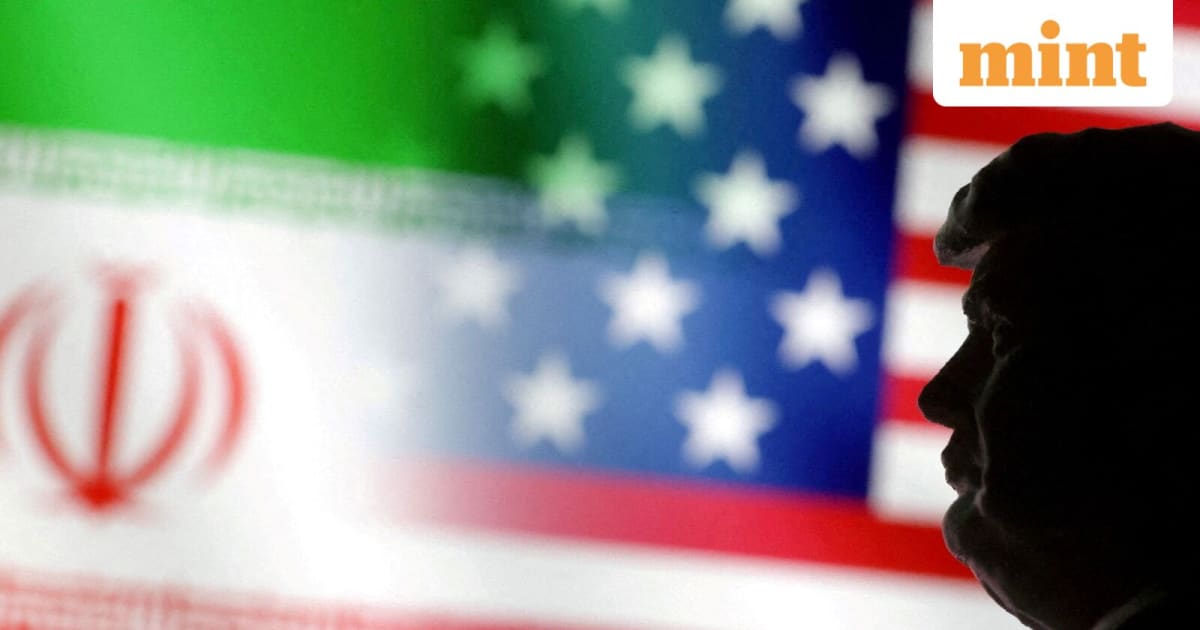
Pakistan-led negotiations between the US and Iran are reaching a critical phase, threatening to flood global markets with sanctioned crude. We analyze the profound implications for India's fiscal health, RBI policy, and the top-performing NSE stocks positioned to benefit from a potential energy price collapse.
The Geopolitical Pivot: Why an Iran Deal Changes Everything
For the last decade, the 'Iran Risk Premium' has been a constant, volatile shadow over global energy markets. With Islamabad successfully mediating a potential interim peace agreement between Washington and Tehran, we are witnessing the first credible path toward the re-integration of Iranian oil into the global supply chain. For an energy-hungry economy like India, which imports over 85% of its crude requirements, this is not merely a diplomatic headline; it is a macroeconomic game-changer.
Historically, when Iranian barrels returned to the market during the 2015 JCPOA thaw, global crude prices experienced a sustained correction. If this current deal mirrors those supply-side dynamics, we expect a potential 10-15% softening in Brent crude prices. For the Indian economy, every $10 drop in crude prices improves the current account deficit (CAD) by approximately 0.4% of GDP, effectively handing the Reserve Bank of India (RBI) the fiscal breathing room to maintain a dovish interest rate stance, even if global inflation remains sticky.
How will a drop in crude oil prices affect Indian stock market sectors?
The transmission mechanism from crude prices to the Nifty 50 is direct and immediate. When crude prices fall, the input costs for manufacturing, logistics, and transportation plummet. However, the impact is asymmetric. We classify the market into 'Crude Beneficiaries' and 'Crude Victims' based on their sensitivity to the O&G basket.
The Winners: The primary beneficiaries are Oil Marketing Companies (OMCs) and the aviation sector. OMCs operate on a marketing margin model; lower crude prices allow them to capture higher net marketing margins while reducing inventory write-downs. Aviation, meanwhile, sees fuel (ATF) account for roughly 35-40% of operational costs. A $10 drop in crude equates to a significant expansion in EBITDA margins for airlines, which are currently operating on thin, capacity-constrained profitability.
The Losers: Upstream producers like ONGC and Oil India face a 'net realization' problem. When global prices fall, government-mandated windfall taxes usually compress their margins, making them the primary losers in this scenario. Furthermore, standalone refineries with high inventory cycles may face accounting losses on their existing, high-cost crude stocks, leading to near-term earnings volatility.
Stock-by-Stock Breakdown: Where to Position Your Portfolio
- IOCL (Indian Oil Corporation) & BPCL: As the country’s largest OMCs, these firms are prime candidates for margin expansion. With a P/E ratio currently hovering near historical averages, a sustained dip in crude prices could see a re-rating of their valuation multiples as earnings visibility improves.
- InterGlobe Aviation (IndiGo): The undisputed leader in the Indian skies. Lower ATF costs translate directly into bottom-line profitability. Watch for the spread between crude prices and ticket pricing power; if fuel costs drop while demand remains inelastic, IndiGo’s margins could hit record highs.
- Asian Paints: Often overlooked, this stock is a massive play on crude derivatives. Raw materials for paint manufacturing are petroleum-based. A dip in crude prices acts as an automatic margin expansion tool, shielding the company from the inflationary pressures that have plagued the sector over the last 18 months.
- ONGC: Despite its strong balance sheet, ONGC is the 'sell' side of this trade. As a pure-play upstream producer, their realization is directly tethered to international crude benchmarks. Expect volatility in their stock price as the market prices in the risk of lower realizations.
The Contrarian View: Bulls vs. Bears
The bull case is anchored in macroeconomic stability: lower crude means lower inflation, a stronger Rupee, and a potential pivot by the RBI. This creates a 'Goldilocks' scenario for Indian equities. However, the bear case—championed by geopolitical skeptics—points to the 'Trump Factor.' With the US political landscape shifting, there is a non-zero probability that any deal signed today could be shredded tomorrow. Bears argue that the market is currently overestimating the ease of sanctions relief, and that any failure in the finalization phase would lead to a 'supply shock' spike, potentially pushing oil toward the $100/bbl mark.
The Investor Playbook: Navigating the Volatility
Investors should adopt a staged approach rather than a 'bet-the-house' strategy:
- Accumulation Phase: Start building positions in OMCs and Aviation leaders on any dip during the negotiation phases. Look for a 5-7% pullback in these stocks as entry points.
- Risk Mitigation: Maintain a hedge in your portfolio via energy-sector short positions or inverse ETFs if you hold significant exposure to upstream oil companies.
- Time Horizon: This is a medium-term play (6-18 months). The structural impact of lower energy costs takes at least two quarters to reflect in corporate balance sheets.
Risk Matrix
| Risk Factor | Probability | Impact |
|---|---|---|
| Deal Collapse (Trump intervention) | Medium (40%) | Severe (Negative) |
| OPEC+ Production Cut (Offsetting supply) | High (60%) | Moderate (Neutral) |
| Fiscal Slippage (India) | Low (20%) | High (Negative) |
What to Watch Next
The next 30 days are critical. Keep a close watch on the 'Islamabad-Washington-Tehran' communication channel. Key upcoming catalysts include the next OPEC+ ministerial meeting, which will reveal if the cartel intends to cut production to offset the return of Iranian barrels. Additionally, monitor the RBI’s upcoming Monetary Policy Committee (MPC) minutes; any language shift regarding 'imported inflation' will be the clearest indicator that the central bank is preparing for a crude-driven cooling of the economy.
Disclaimer: This content is generated by WelthWest Research Desk based on publicly available reports and is for informational purposes only. It does not constitute financial advice, investment recommendations, or an offer to buy or sell securities. Always consult a qualified financial advisor before making investment decisions.


