Key Takeaway
The normalization of the Strait of Hormuz acts as a massive 'macro-tailwind' for India, potentially shaving billions off the import bill and cooling domestic inflation, creating a structural bull case for consumer-facing sectors.
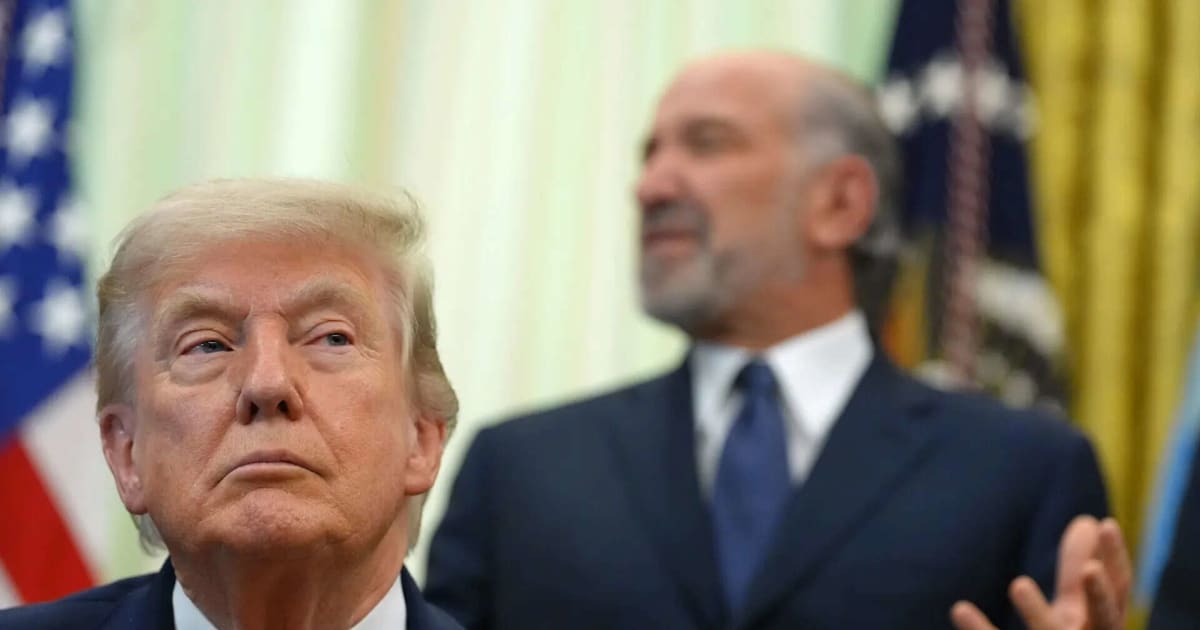
Geopolitical de-escalation in the Middle East is set to trigger a paradigm shift in Indian equity markets. With oil prices poised for a correction, we break down the winners and losers in the energy, aviation, and manufacturing sectors.
The Geopolitical Shift: Decoding the Strait of Hormuz Peace Dividend
For the Indian economy, the Strait of Hormuz is not merely a geographic chokepoint; it is a metabolic necessity. With over 20% of global oil consumption passing through this narrow waterway, the recent signals of a US-Iran peace deal represent the most significant potential deflationary event for India since the post-pandemic normalization. As the administration signals a formal agreement, investors must pivot from a 'geopolitical risk' mindset to an 'energy surplus' framework.
Why does a US-Iran deal matter for the Indian Rupee and Nifty?
India imports over 85% of its crude oil requirements. A significant portion of this is sensitive to the volatility premiums attached to Middle Eastern logistics. Historically, when tension spikes in the Persian Gulf, the 'War Risk Premium' adds $5–$10 per barrel to the Brent crude price. By removing this friction, the deal directly lowers India’s Current Account Deficit (CAD), which currently hovers around a manageable but sensitive 1-1.5% of GDP. A lower oil price is effectively a tax cut for the Indian consumer, boosting discretionary spending power.
The Sectoral Ripple Effect: Winners and Losers
The market reaction to this news will not be uniform. We categorize the impact into three distinct buckets: Direct Beneficiaries (Input Cost Reducers), Energy Downstream Players, and Structural Laggards.
1. The Margin Expanders: Aviation, Paints, and Logistics
For companies like InterGlobe Aviation (INDIGO), fuel costs typically account for 35-40% of total operating expenses. A $10 drop in crude prices translates to a massive margin expansion, often leading to a disproportionate spike in net profitability. Similarly, Asian Paints and Berger Paints rely heavily on crude-linked derivatives for their raw materials. We expect a 200-300 basis point expansion in EBITDA margins for these firms within two quarters of a sustained oil price drop.
2. The OMC Sweet Spot: BPCL, HPCL, and IOC
Oil Marketing Companies (OMCs) have been operating under the pressure of 'under-recoveries' and government-mandated price caps. A structural decline in crude prices allows BPCL, HPCL, and IOC to regain pricing power and normalize their marketing margins. When crude prices fall, the lag between international price drops and retail price adjustment creates a 'golden period' for OMC profitability.
3. The Underperformers: Upstream and Defense
Conversely, ONGC and Oil India face a headwind. Their realization prices are tethered to global benchmarks; a sharp decline in crude prices directly impacts their top-line revenue and bottom-line earnings. Additionally, defense-linked stocks, which often rally on geopolitical volatility, may see a correction as the 'war-risk' premium is stripped out of their valuations.
Stock-by-Stock Breakdown: Where the Smart Money is Moving
- BPCL (NSE: BPCL): With a P/E ratio currently hovering near 5-6x, the stock is historically undervalued. A sustained drop in oil prices could lead to a re-rating toward its historical 10x average.
- InterGlobe Aviation (NSE: INDIGO): The market leader in domestic aviation. Lower ATF (Aviation Turbine Fuel) prices will likely drive their EPS higher, making the current valuation look attractive for long-term growth investors.
- Asian Paints (NSE: ASIANPAINT): A high-beta play on crude prices. Watch for a bounce-back in margin guidance in the upcoming quarterly earnings call.
- ONGC (NSE: ONGC): While dividend yields are high, the stock's price action will likely be muted or negative in the short term due to falling realization prices.
Expert Perspective: The Bull vs. Bear Debate
The Bulls argue that this deal is the catalyst for a 'Goldilocks' scenario: lower inflation, lower interest rates, and higher consumer spending. The Bears, however, point to the 'Iran Factor'—a history of last-minute reneging on agreements. If the deal collapses, the market could see a 'whipsaw' effect, leading to a sharp 3-5% correction in the Nifty as the risk premium is priced back in overnight.
Actionable Investor Playbook
Investors should adopt a staggered entry strategy. Avoid chasing the initial spike in OMC stocks. Instead, look for pullbacks to accumulate high-quality consumer-facing stocks (like Paints and Tyres) that have been beaten down by high input costs. Keep a 12-18 month time horizon, as the full benefits of a stabilized energy supply chain often take two quarters to reflect in balance sheets.
Risk Matrix: Assessing the Uncertainty
| Risk Factor | Probability | Impact |
|---|---|---|
| Deal Collapse/Delay | High | Severe |
| OPEC+ Production Cuts | Medium | Moderate |
| Currency Volatility (USD/INR) | Low | Moderate |
What to Watch Next
Keep a close eye on the OPEC+ meeting minutes and RBI’s monetary policy committee (MPC) statements. If the central bank signals a shift in tone regarding inflation due to lower energy costs, expect a rally in interest-rate-sensitive stocks (Banking and Real Estate). The next 30 days are critical; follow the official statements from the US State Department regarding the ratification of the treaty as the primary catalyst for the next leg of this trade.
Disclaimer: This content is generated by WelthWest Research Desk based on publicly available reports and is for informational purposes only. It does not constitute financial advice, investment recommendations, or an offer to buy or sell securities. Always consult a qualified financial advisor before making investment decisions.


