Key Takeaway
Diplomatic thawing between Washington and Tehran acts as a massive macro-tailhead for India, potentially slashing the Current Account Deficit and providing the RBI with the fiscal breathing room to maintain accommodative interest rates.
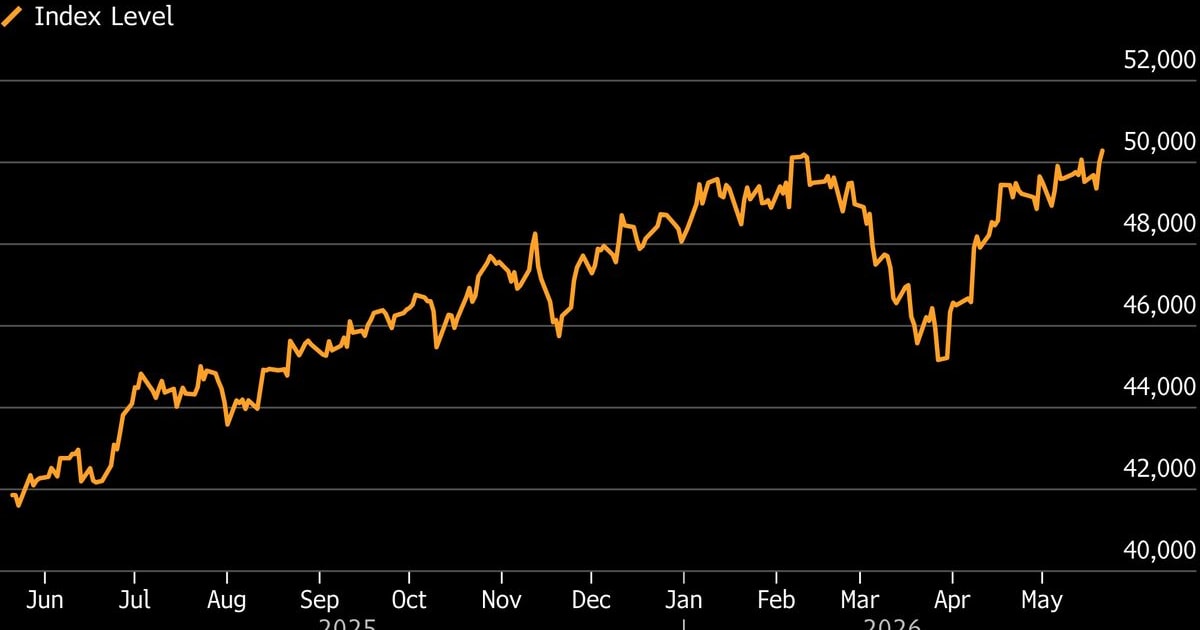
Geopolitical de-escalation in the Middle East is signaling a potential cooling of global crude oil prices. For the Indian economy, which imports over 80% of its energy, this development is a structural positive that shifts the risk-reward profile for several key sectors.
The Geopolitical Pivot: Decoding the Iran-US Diplomatic Thaw
Global energy markets are currently hyper-sensitive to the shifting sands of Middle Eastern diplomacy. Recent reports of renewed back-channel communications between the United States and Iran have injected a dose of optimism into a market long burdened by 'geopolitical risk premiums.' For investors, the math is straightforward: a potential easing of sanctions on Iranian crude could unlock significant supply, potentially shifting the global energy balance from deficit to surplus.
Why does this matter now? India’s macroeconomic health is inextricably linked to the price of the Indian Basket of crude. With crude prices hovering near critical resistance levels, any structural decline serves as a direct stimulus to the domestic economy, effectively acting as an indirect tax cut for consumers and a margin-expansion lever for corporate India.
How Will the Oil Price Drop Impact Indian Equity Markets?
Historically, the correlation between Brent Crude and the Nifty 50 is inverse and pronounced. When oil prices spiked in Q2 2022, the Nifty faced significant headwinds, characterized by a depreciating Rupee and a widening Current Account Deficit (CAD). A sustained drop in oil prices—driven by increased Iranian output—would likely provide a dual tailwind: a lower import bill and reduced inflationary pressure, which historically invites FII (Foreign Institutional Investor) inflows into emerging markets like India.
The Sectoral Ripple Effect: Winners and Losers
The energy-intensity of a sector is the primary determinant of its performance in this scenario. We categorize the impact as follows:
- Margin Expansionists: Industries where fuel is a significant input cost, such as Aviation and Paints, are primed for immediate margin recovery.
- Operational Efficiency Gainers: Oil Marketing Companies (OMCs) stand to benefit from reduced under-recoveries and improved gross refining margins (GRMs).
- Safe-Haven Losers: Gold, often bought as a hedge against geopolitical instability, may see a cooling in demand, while upstream oil producers face top-line pressure due to lower realizations.
Stock-by-Stock Breakdown: Where to Position Capital
1. IOCL (Indian Oil Corporation) & BPCL (Bharat Petroleum): As the primary OMCs, these firms benefit when the gap between international crude prices and retail fuel prices narrows. With a combined market cap exceeding ₹3.5 lakh crore, these stocks are the most direct proxies for domestic energy stability.
2. InterGlobe Aviation (Indigo): Aviation Turbine Fuel (ATF) accounts for nearly 40% of an airline's operating expenses. A 10% drop in crude prices can lead to a 300-500 basis point expansion in EBITDAR margins for Indigo, currently the dominant player in the Indian skies.
3. Asian Paints: Crude derivatives (monomers and solvents) are the lifeblood of the paint industry. Lower oil prices provide significant relief to the cost of goods sold (COGS), allowing companies to either protect margins or aggressive price-cutting to gain market share.
4. ONGC & Oil India: The contrarian play. These upstream players see their realizations drop as global benchmarks fall. While their dividend yields remain attractive, their stock price performance is highly sensitive to the net-realization per barrel.
Expert Perspective: The Bull vs. Bear Case
The Bull Case: Proponents argue that a deal is a structural shift. If Iran adds 1-1.5 million barrels per day to the market, it breaks the OPEC+ pricing power, forcing a long-term deflationary trend in energy that benefits India’s balance of payments and boosts domestic consumption.
The Bear Case: Skeptics point to the 'diplomatic trap.' History suggests that US-Iran talks are notoriously volatile. If the deal collapses—or if regional instability persists—the market could see a 'snap-back' rally in crude prices, catching investors off-guard and potentially triggering a sharp correction in the very stocks that rallied on the news.
Actionable Investor Playbook
Investors should approach this with a layered strategy:
- Accumulate: Focus on downstream OMCs (BPCL, IOCL) and high-beta aviation stocks (Indigo) during minor dips, targeting a 6-12 month horizon.
- Trim: Consider pruning exposure to upstream oil producers (ONGC) if the risk-reward ratio shifts against them due to lower price realizations.
- Watch: Monitor the INR/USD exchange rate. A strengthening Rupee alongside falling oil prices is the ultimate 'buy signal' for the broader Nifty index.
Risk Matrix: Assessing the Volatility
| Risk Factor | Probability | Impact |
|---|---|---|
| Diplomatic Breakdown | High | High |
| OPEC+ Supply Cuts | Medium | Medium |
| INR Depreciation | Low | High |
What to Watch Next: The Catalysts
The market will be laser-focused on the next round of IAEA inspections and any formal statements from the US State Department regarding sanction waivers. Keep a close watch on the monthly trade deficit data released by the Ministry of Commerce; any significant contraction in the oil import bill will be the definitive indicator that the 'peace dividend' is flowing through to the Indian economy.
Disclaimer: This content is generated by WelthWest Research Desk based on publicly available reports and is for informational purposes only. It does not constitute financial advice, investment recommendations, or an offer to buy or sell securities. Always consult a qualified financial advisor before making investment decisions.


