Key Takeaway
The US legislative pivot against a Federal Reserve CBDC creates a geopolitical hedge for decentralized assets, forcing Indian IT firms to pivot their digital currency strategies from state-backed infrastructure to private, permissionless blockchain solutions.
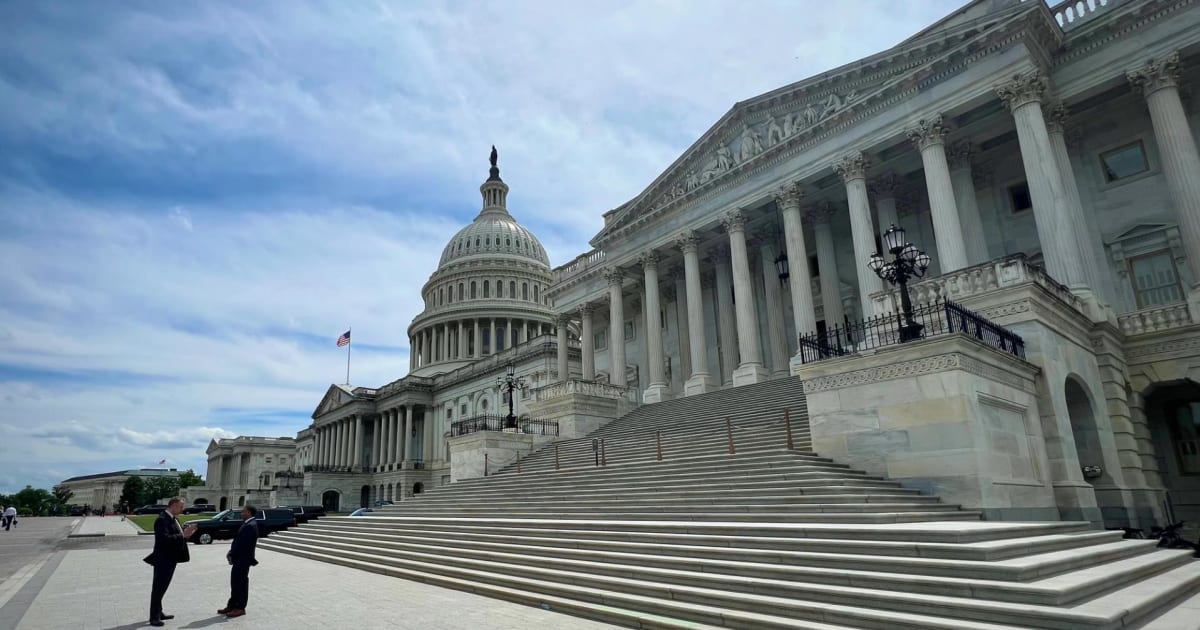
A groundbreaking US Senate bill proposing a four-year moratorium on a Federal Reserve CBDC has sent shockwaves through global fintech. For Indian investors, this move redefines the growth trajectory of IT majors heavily invested in government-led digital currency projects. We analyze the shift from public-sector reliance to decentralized infrastructure.
The Geopolitical Pivot: Why the US CBDC Ban Matters
The global financial architecture is undergoing a tectonic shift. With the U.S. Senate’s recent legislative move to impose a four-year moratorium on the development of a Federal Reserve Central Bank Digital Currency (CBDC), the narrative of state-controlled digital money has hit a significant roadblock. This is not merely an internal US policy debate; it is a signal that the world’s largest economy is prioritizing privacy and decentralization over state surveillance in digital finance.
For the Indian market, this creates a complex feedback loop. The Reserve Bank of India (RBI) has been aggressive in its e-Rupee pilots. When the US—the global bellwether for financial innovation—chooses to halt its own CBDC development, it creates a 'friction point' for Indian IT firms that have spent billions building out the backend infrastructure for sovereign digital currencies. Investors must now ask: Does this trigger a shift toward private, decentralized blockchain infrastructure, and what does it mean for the massive IT service providers on the NSE?
How Will The US CBDC Ban Affect Indian IT Stocks?
Indian IT majors have long been the primary implementation partners for sovereign digital payment rails. Companies like Tata Consultancy Services (TCS) and LTIMindtree have built their value propositions around government-led digital transformation. However, if the global trend shifts away from centralized state-digital currencies, the revenue pipeline for these massive projects could face a multi-year stagnation.
Historically, when the crypto-regulatory environment tightened in 2022, the Nifty IT index saw a drawdown of approximately 22% over six months as institutional confidence in 'blockchain-as-a-service' waned. Today, the situation is nuanced. While government projects might slow down, there is a massive surge in demand for private, decentralized cybersecurity and blockchain ledger services, benefiting firms that pivot quickly toward decentralized finance (DeFi) architecture.
Stock-by-Stock Breakdown: Winners and Losers
- Tata Consultancy Services (TCS: NSE): With a P/E ratio currently hovering near 30x, TCS is the backbone of India’s digital infrastructure. A slowdown in global CBDC adoption could pressure their public-sector consulting margins, but their deep expertise in core banking solutions allows them to pivot toward private distributed ledger technology (DLT) for private banks.
- LTIMindtree (NSE): Heavily invested in fintech integration, LTIMindtree faces risks if the 'e-Rupee' narrative is globally dampened. However, their acquisition-heavy strategy suggests they are well-positioned to pivot into enterprise-grade cybersecurity—a sector set to explode as firms move away from centralized government rails.
- Persistent Systems (NSE): As a pure-play digital engineering firm, Persistent is uniquely positioned. Unlike the legacy titans, they are lean and agile, making them the preferred partner for private blockchain infrastructure projects. We see this as a 'buy' opportunity for investors tracking the decentralization trend.
- Zensar Technologies (NSE): Often overlooked, Zensar has been quietly building out their cloud-native blockchain services. They stand to benefit as financial institutions seek to hedge against state-currency volatility by adopting neutral, private blockchain rails.
Expert Perspective: The Bull vs. Bear Case
The divergence between state-controlled digital assets and decentralized protocols is the defining financial battle of the decade. The US Senate’s move is a clear vote for financial sovereignty. — WelthWest Research Desk
The Bull Case: Proponents argue that this ban creates a vacuum that will be filled by Bitcoin and other decentralized assets, leading to a massive increase in demand for 'on-ramp' infrastructure and private blockchain security—a windfall for IT firms capable of pivoting from government contracts to enterprise-private services.
The Bear Case: Skeptics, including many institutional analysts, argue that the legislative hurdle in the House and the potential for a presidential veto makes this ban a 'political theater' event. If the bill fails, the shift back toward centralized CBDCs could lead to a massive correction for firms that bet on decentralized infrastructure too early.
Actionable Investor Playbook
Investors should adopt a 'barbell' strategy. Maintain exposure to core IT stalwarts for their dividend yields and stability, but allocate 10-15% of your portfolio toward mid-cap IT firms that are aggressively scaling their cybersecurity and private-blockchain divisions.
- Monitor: The House vote count on the CBDC moratorium.
- Entry Points: Look for a 5-7% pullback in LTIMindtree to initiate long positions, as the market is likely overreacting to the news.
- Time Horizon: 18-24 months. The regulatory landscape will take time to solidify, and the decoupling of crypto from broader indices will likely continue.
Risk Matrix: The Path Ahead
| Risk Factor | Probability | Impact |
|---|---|---|
| Presidential Veto | High | High |
| Legislative Stagnation | Medium | Medium |
| Decoupling of Crypto/Equity Markets | High | High |
What To Watch Next
The next major catalyst is the upcoming G20 financial summit, where the global consensus on digital currency standards will be debated. Watch for statements from the BIS (Bank for International Settlements) regarding private vs. public ledger interoperability. If the US Senate bill gains traction in the House, expect a volatility spike in the Nifty IT index around the end of Q3. Keep a close eye on the volume of private blockchain implementation contracts—this is the true leading indicator for the next bull cycle in Indian IT.
Disclaimer: This content is generated by WelthWest Research Desk based on publicly available reports and is for informational purposes only. It does not constitute financial advice, investment recommendations, or an offer to buy or sell securities. Always consult a qualified financial advisor before making investment decisions.


