Key Takeaway
Kevin Warsh's ascendancy to the US Federal Reserve Chair signals a potential recalibration of global monetary policy. Investors in India must brace for shifts in interest rate expectations and foreign capital flows, with significant implications for the rupee and debt-laden companies.
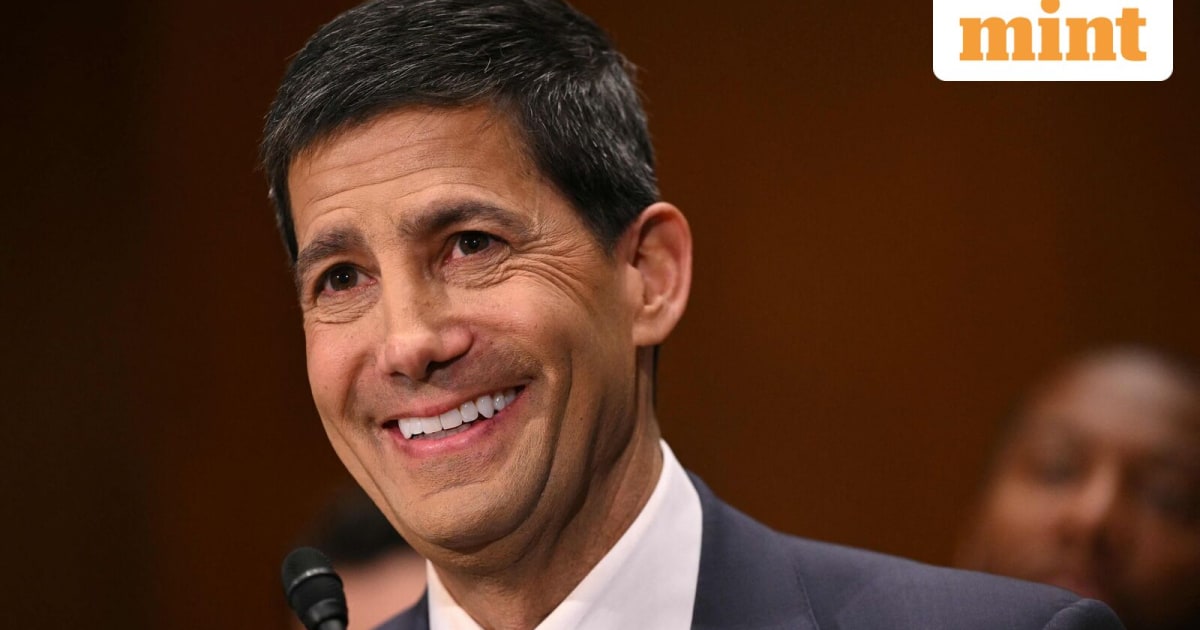
The confirmation of Kevin Warsh as the new US Federal Reserve Chair marks a pivotal moment for global financial markets. This in-depth analysis dissects the potential impact on India's economy, from the Reserve Bank of India's (RBI) policy stance to foreign institutional investor (FII) sentiment and the valuation of key Indian equities. We provide a data-driven outlook for investors navigating this new monetary landscape.
Warsh at the Helm: Decoding the US Fed Chair Confirmation and Its Ripple Effects on India's Financial Landscape
The US Senate's recent confirmation of Kevin Warsh as the new Federal Reserve Chair is a development of profound significance, extending far beyond the borders of the United States. This leadership transition at the heart of global monetary policy orchestration sends tremors through international financial markets, with particular attention being paid to its potential ramifications for India's economy. The Federal Reserve's decisions on interest rates, quantitative easing or tightening, and overall monetary stance have a disproportionate influence on emerging markets, dictating capital flows, currency valuations, and borrowing costs. Warsh's appointment, therefore, necessitates a granular examination of his potential policy leanings and how they might shape the Reserve Bank of India's (RBI) strategic responses, as well as the investment calculus of foreign institutional investors (FIIs) in India.
The implications are multifaceted. A shift towards a more hawkish (interest rate tightening) or dovish (interest rate easing) stance by the Fed under Warsh's stewardship will directly impact global interest rate expectations. This, in turn, influences the attractiveness of emerging market assets. For India, a country increasingly reliant on foreign capital for its growth trajectory, any significant recalibration in global liquidity or risk appetite can lead to substantial swings in FII inflows. These flows are critical for maintaining the stability of the Indian rupee and ensuring a conducive environment for domestic corporate borrowing and expansion. The market sentiment, currently hovering in a neutral zone, could rapidly pivot based on Warsh's initial policy pronouncements and actions.
Why Kevin Warsh's Fed Chair Appointment Matters to Indian Investors NOW
The timing of this leadership change is crucial. In an environment already characterized by persistent inflation concerns in developed economies and geopolitical uncertainties, the Federal Reserve's policy direction is under intense scrutiny. Warsh, a seasoned economist with a background that suggests a pragmatic, data-driven approach to monetary policy, inherits a complex economic landscape. His tenure will be a test of his ability to balance inflation control with the imperative of sustainable economic growth, a delicate act that has global repercussions. For the Reserve Bank of India (RBI), led by Governor Shaktikanta Das, understanding the nuances of Warsh's monetary philosophy is paramount. The RBI will need to calibrate its own monetary policy decisions, including potential interest rate adjustments and liquidity management, in anticipation of, or in reaction to, the Fed's moves. This strategic alignment is vital to prevent undue volatility in the Indian rupee and to safeguard the nation's financial stability. The potential for a medium-impact scenario underscores the need for proactive analysis and strategic positioning by all market participants.
Deep Market Impact Analysis: Connecting Warsh's Fed to India's Equities and Currency
The confirmation of Kevin Warsh as the US Federal Reserve Chair introduces a significant variable into the global monetary policy equation, with direct and indirect consequences for the Indian stock market. Historically, periods of tightening by the US Federal Reserve have often coincided with capital outflows from emerging markets, including India. For instance, during the US Fed's rate hike cycle in 2022, the Nifty 50 experienced a notable correction, driven partly by a reversal in FII flows as global investors sought higher yields in developed markets. The subsequent recovery was also closely linked to expectations of a pause or pivot in Fed policy. Warsh's approach will now dictate the pace and duration of such cycles.
A hawkish Fed under Warsh could lead to a stronger US dollar, making Indian exports more competitive but simultaneously increasing the cost of imported goods and services, thereby potentially widening the trade deficit. More critically, it would likely trigger higher borrowing costs globally, impacting Indian companies that rely on external debt. Companies with substantial unhedged foreign currency liabilities would face increased repayment burdens. Conversely, a more dovish stance, while potentially supportive of emerging market inflows, could also signal underlying economic weakness in the US, which might dampen global demand and indirectly affect India's export-oriented sectors.
The impact on the Indian rupee is a key concern. An anticipated tightening by the Fed typically puts downward pressure on currencies like the rupee, as capital seeks safer havens or higher returns in dollar-denominated assets. A weaker rupee not only makes imports more expensive but also increases the burden of dollar-denominated debt for Indian corporates. For example, a 1% depreciation in the rupee can add hundreds of crores to the interest outgo of large Indian conglomerates with significant foreign debt. The Reserve Bank of India, while committed to a flexible exchange rate, often intervenes to curb excessive volatility, but its capacity to counter sustained dollar strength is limited, especially if capital outflows are substantial.
How Will Warsh's Fed Policy Influence the Reserve Bank of India's Stance?
The RBI's monetary policy committee (MPC) will be closely monitoring the Federal Reserve's trajectory. If Warsh signals a sustained period of higher interest rates in the US, the RBI might be compelled to maintain its own policy rates at current levels or even consider further tightening, despite domestic growth considerations. This is to prevent a significant interest rate differential that could incentivize capital flight. The current inflation print in India, while moderating, remains a key factor for the RBI. However, external pressures from global monetary policy shifts can override domestic imperatives. The central bank's dilemma will be to balance inflation control, growth support, and exchange rate stability in the face of external monetary policy headwinds. The RBI's recent policy actions have been calibrated, but a more aggressive Fed could force a more hawkish pivot, impacting the cost of credit for Indian businesses.
Furthermore, FII sentiment will be heavily influenced by Warsh's communication and policy signals. Periods of uncertainty surrounding Fed policy often lead to increased risk aversion among global investors. If Warsh adopts a communication style that is perceived as opaque or prone to sudden shifts, it could exacerbate market volatility. For the Indian market, where FIIs are significant participants, a sustained outflow due to perceived global monetary tightening or risk aversion can depress stock prices and increase the cost of capital. Conversely, clear communication and a measured approach could foster greater stability and attract continued investment, especially if India's domestic economic fundamentals remain robust.
Stock-by-Stock Breakdown: Identifying Winners and Losers in the Warsh Era
The potential shift in monetary policy under Kevin Warsh will disproportionately affect different segments of the Indian stock market. Companies with robust balance sheets, low debt, and strong pricing power are likely to be more resilient, while those burdened by high leverage and sensitive to interest rate cycles will face headwinds.
- HDFC Bank (HDFCBANK): As a bellwether of the Indian banking sector, HDFC Bank is exposed to interest rate fluctuations. While a rising rate environment can improve net interest margins (NIMs) in the short term, sustained hikes can lead to increased non-performing assets (NPAs) if borrowers struggle with higher repayment obligations. Its substantial loan book, with a market capitalization exceeding INR 5.5 lakh crore, makes it sensitive to shifts in credit demand and risk appetite. Peers like ICICI Bank (ICICIBANK) and State Bank of India (SBIN) face similar dynamics.
- Reliance Industries Ltd (RELIANCE): Reliance, with its diverse business interests spanning refining, petrochemicals, retail, and telecom, is a complex case. Its substantial debt, though managed across various subsidiaries, makes it sensitive to interest rate hikes. However, its dominant market positions and strong cash flows from its consumer-facing businesses could offer some insulation. Investors will watch its capital expenditure plans and its ability to service debt in a rising rate scenario. Its market capitalization of over INR 16 lakh crore makes it a significant market mover.
- Larsen & Toubro (LT): The engineering and construction giant, with a market capitalization of over INR 3.5 lakh crore, is a proxy for infrastructure spending and industrial activity. While it benefits from government capex push, a global economic slowdown triggered by aggressive Fed tightening could impact its order book from international clients. However, its strong domestic order pipeline and robust balance sheet provide a degree of resilience. Sector peers like Bharat Heavy Electricals Ltd (BHEL) might face more direct headwinds if industrial demand softens globally.
- Infosys (INFY): India's IT services sector, with Infosys (market cap over INR 6 lakh crore) and Tata Consultancy Services (TCS) (market cap over INR 14 lakh crore) at the forefront, is a significant recipient of FII investment. A hawkish Fed could lead to reduced IT spending by US corporations, impacting revenue growth. However, the sector's strong earnings, consistent dividend payouts, and critical role in digital transformation provide a defensive quality. Any significant rupee depreciation would also boost their dollar-denominated revenues.
- UltraTech Cement (ULTRACEMCO): As a leading cement manufacturer (market cap over INR 2.5 lakh crore), UltraTech Cement is sensitive to domestic demand and input costs. While a global slowdown might not directly impact its core business, higher interest rates increase its cost of borrowing for expansion and could cool domestic construction activity if economic growth falters. Peers like Ambuja Cements (AMBUJACEM) share similar sensitivities.
- Tata Motors (TATAMOTORS): Companies with significant debt and cyclical demand, like Tata Motors (market cap over INR 3 lakh crore), are more vulnerable. A global economic slowdown, coupled with higher borrowing costs, could dampen demand for automobiles, both domestically and internationally, impacting its Jaguar Land Rover (JLR) division significantly. Its high debt-to-equity ratio makes it particularly susceptible to rising interest rates.
Expert Perspective: Bulls vs. Bears on Warsh's Fed Chair Impact
Bullish Argument: Proponents of a positive outlook argue that Kevin Warsh's confirmation is a non-event for the Indian market, as domestic fundamentals remain strong. They believe the RBI has ample room to manage monetary policy independently, and that any Fed tightening will be gradual and well-communicated, minimizing shock to emerging markets. Furthermore, a focus on inflation control by the Fed could lead to greater global economic stability in the long run, benefiting all markets. They point to India's robust GST collections and manufacturing PMI as indicators of resilience.
Bearish Argument: Conversely, bears express concern that Warsh may adopt a more aggressive inflation-fighting stance, leading to faster and higher rate hikes than anticipated. This could trigger significant capital outflows from India, weaken the rupee substantially, and force the RBI into a difficult policy corner, potentially stifling growth. They highlight the elevated valuations of some Indian stocks and the country's reliance on foreign capital as key vulnerabilities in a tightening global liquidity environment.
Actionable Investor Playbook: Navigating the Warsh Fed Transition
In light of Kevin Warsh's confirmation as US Federal Reserve Chair, investors should adopt a strategy that prioritizes resilience, quality, and a keen eye on global monetary policy shifts. The time horizon for this strategy should be at least 6-12 months, allowing for the full impact of Fed policy to materialize and for the RBI's response to become clearer.
- Focus on Quality and Low Leverage: Prioritize companies with strong balance sheets, consistent profitability, and low debt-to-equity ratios. These businesses are better positioned to withstand higher borrowing costs and potential demand slowdowns. Look for companies with a P/E ratio below their historical averages and a debt-to-equity ratio below 1. For example, consider companies like HDFC Bank (HDFCBANK) and UltraTech Cement (ULTRACEMCO) for their market leadership and relatively manageable debt profiles, though careful monitoring of their debt servicing capabilities is advised.
- Consider Defensive Sectors: Sectors like FMCG (Fast-Moving Consumer Goods) and certain defensive IT services companies often perform relatively well during periods of economic uncertainty. Companies like Hindustan Unilever (HLL) and TCS (TCS) offer stability due to their essential product/service offerings and strong competitive moats.
- Hedge Currency Exposure (for large corporates): For Indian companies with significant foreign currency debt, actively hedging currency risk becomes even more critical. This involves using financial instruments to lock in exchange rates, mitigating the impact of rupee depreciation.
- Monitor FII Flows and RBI Stance: Closely track daily FII inflow/outflow data and the RBI's commentary on monetary policy. Any sustained reversal in FII flows or a hawkish shift in RBI's tone should be considered a red flag.
- Prudent Entry Points: For growth-oriented investments, wait for clear signals of stabilization in global monetary policy or attractive valuations. A potential correction in the market, driven by Fed policy, could present buying opportunities in fundamentally strong companies at lower price points. For instance, if the Nifty 50 dips below 20,000, it might signal an opportune entry for long-term investors in quality stocks.
- Avoid Highly Leveraged Cyclical Stocks: Reduce exposure to companies with high debt levels and those heavily reliant on cyclical demand, especially if their valuations remain elevated. Tata Motors (TATAMOTORS) and other auto manufacturers with significant debt could be areas of caution.
Risk Matrix: Quantifying Potential Shocks
The market impact of Kevin Warsh's tenure as Fed Chair is subject to several risks, each with a distinct probability of materializing.
- Risk 1: Unexpectedly Hawkish Fed Stance (Probability: Medium-High): Warsh might prioritize inflation control aggressively, leading to faster rate hikes and quantitative tightening than currently priced in by markets. This could trigger sharp FII outflows and a significant depreciation of the rupee.
- Risk 2: Persistent Inflation in the US (Probability: Medium): If US inflation proves more stubborn than anticipated, forcing the Fed to maintain a restrictive policy for an extended period, it will continue to exert pressure on global liquidity and emerging market assets.
- Risk 3: Geopolitical Escalation (Probability: Low-Medium): Any new geopolitical flare-ups could amplify global economic uncertainty, exacerbating market volatility and potentially forcing central banks into difficult policy choices, irrespective of their initial leanings.
- Risk 4: Communication Missteps (Probability: Medium): A Fed under Warsh that communicates its policy intentions unclearly or abruptly could lead to significant market overreactions and volatility, even if the underlying policy is sound.
What to Watch Next: Upcoming Catalysts and Data Releases
Investors should keenly observe several upcoming events and data releases that will shape the narrative around Kevin Warsh's Federal Reserve and its impact on India:
- Federal Reserve FOMC Meeting Minutes and Statements: These will provide the most direct insights into the Fed's thinking, future policy path, and any dissents among members.
- US Inflation Data (CPI, PPI): Key indicators of whether inflation is cooling or persisting, directly influencing the Fed's rate decisions.
- US Non-Farm Payrolls: A crucial gauge of the US labor market's health, impacting the Fed's assessment of economic strength and inflation pressures.
- RBI Monetary Policy Committee Meetings: The RBI's decisions on interest rates and liquidity will be closely watched for their alignment with or divergence from global trends.
- FII Investment Data: Daily and weekly data on foreign institutional investor flows into Indian equities and debt will be a real-time indicator of global sentiment towards India.
- Rupee-Dollar Exchange Rate Movement: Any significant breach of key support or resistance levels for the INR/USD pair will signal shifts in capital flows and risk appetite.
The confirmation of Kevin Warsh as US Federal Reserve Chair is not merely a change in personnel; it represents a potential inflection point for global monetary policy. For India, this necessitates a strategic recalibration, focusing on resilience, prudent financial management, and a deep understanding of the interconnectedness of global economic forces. By staying informed and adopting a data-driven, forward-looking approach, investors can navigate the complexities of this new era and position themselves for sustained success.
Disclaimer: This content is generated by WelthWest Research Desk based on publicly available reports and is for informational purposes only. It does not constitute financial advice, investment recommendations, or an offer to buy or sell securities. Always consult a qualified financial advisor before making investment decisions.