Key Takeaway
Wells Fargo's successful $6 billion bond issuance, despite recent performance dips, underscores robust investor confidence in major U.S. financial institutions. This stability offers a positive ripple effect for the Indian market, bolstering sentiment for banking and financial stocks and potentially encouraging foreign institutional investment.
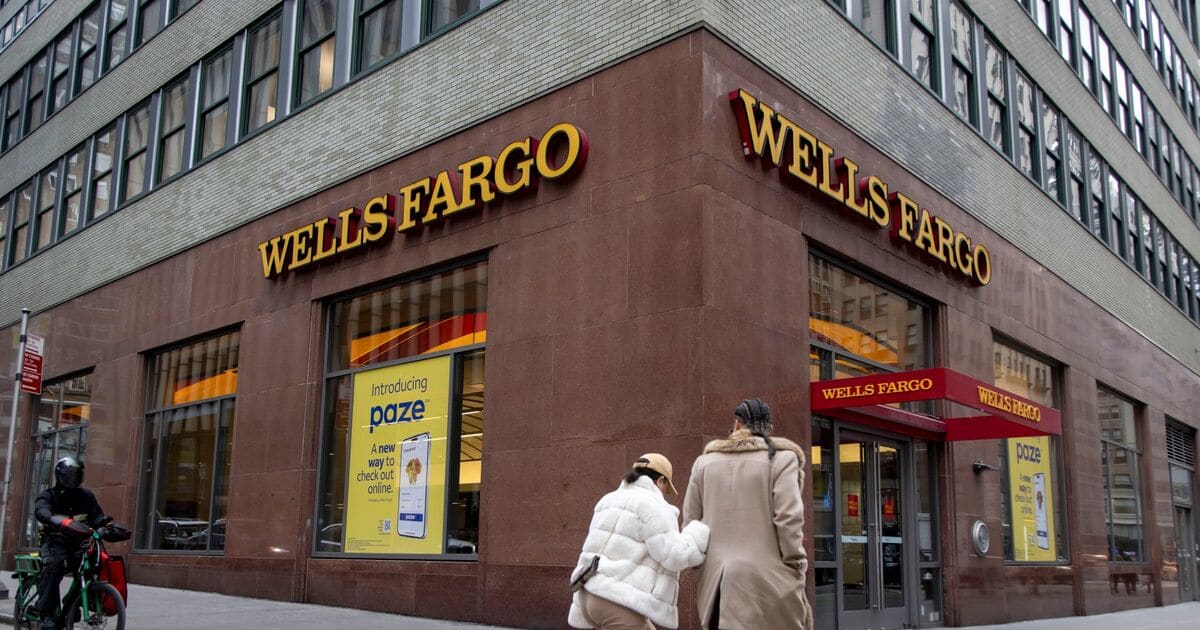
Despite facing recent weaker results, Wells Fargo's ability to raise $6 billion through a bond sale is a significant indicator of enduring global financial stability. This development provides a crucial confidence boost for the Indian stock market, particularly its banking and financial sectors, suggesting continued FII inflows and a more favorable investment climate.
Wells Fargo's $6 Billion Bond Sale: A Beacon of Stability for Global Finance and Indian Markets
In a move that has sent ripples through international financial circles, Wells Fargo, one of the largest and most closely watched U.S. banks, has successfully raised a substantial $6 billion through a recent bond offering. This significant capital infusion, achieved even as the bank navigates a period of less-than-stellar quarterly results, speaks volumes about the underlying resilience and investor appetite for established financial giants. For the Indian stock market, particularly its burgeoning banking and financial services sector, this development is more than just a piece of financial news; it's a potent signal of sustained global financial health and a potential catalyst for enhanced foreign institutional investor (FII) inflows.
Why This Wells Fargo Bond Sale Matters Now
The context surrounding Wells Fargo's capital raise is crucial. Recent financial reports indicated a dip in the bank's performance, a common narrative across several large U.S. financial institutions grappling with evolving economic conditions, including interest rate dynamics and regulatory scrutiny. Typically, such weaker results might deter investors, leading to higher borrowing costs for the issuer or even a failed issuance. However, Wells Fargo's ability to secure $6 billion at what are likely favorable terms demonstrates a deep-seated trust in its long-term viability and the stability of the broader U.S. banking system. This confidence is not isolated; it reflects a global perception that major financial players, despite short-term headwinds, remain fundamentally sound and capable of meeting their obligations. This perception is paramount for emerging markets like India, which often see their fortunes intertwined with global liquidity and investor sentiment.
The implications for the global financial ecosystem are significant. A successful, large-scale bond issuance by a bank of Wells Fargo's stature reassures markets that liquidity remains accessible for systemically important institutions. This reduces the perceived risk of contagion or systemic stress, fostering a more positive outlook for cross-border investment. For India, this translates into a potentially more stable environment for FIIs, who are crucial drivers of capital appreciation and liquidity in the Indian stock market. When global financial giants appear stable and well-capitalized, international investors are more inclined to allocate capital to growth markets, viewing them as relatively safer havens for their funds.
Deep Market Impact Analysis: Connecting Wells Fargo's Success to Indian Equities
The immediate takeaway for the Indian market is a bolstering of sentiment, particularly within the banking and financial services (BFSI) sector. Historically, the performance of Indian banking stocks has shown a notable correlation with global banking sector health and FII flows. For instance, during periods of global financial uncertainty in 2022, a cautious approach by FIIs led to significant outflows from Indian equities, impacting banking counters disproportionately. Conversely, periods of perceived global financial stability, often signaled by the successful functioning of major international banks, tend to attract FIIs. Wells Fargo's successful bond sale acts as a counter-narrative to any prevailing fears of a looming global banking crisis, suggesting that the foundational pillars of the financial system remain strong.
Specifically, this event can indirectly influence the cost of capital for Indian banks and financial institutions. If major U.S. banks can access funding at reasonable rates, it implies a generally healthy global debt market. This can translate into lower borrowing costs for Indian banks when they tap international markets or when global interest rate expectations remain anchored. Furthermore, it supports a narrative of global economic resilience, which is vital for emerging market growth and, by extension, for the profitability of Indian banks that lend to businesses and consumers whose fortunes are tied to the broader economy.
The influx of foreign capital is a critical determinant of Indian equity market performance. When global financial conditions are perceived as stable and attractive, FIIs tend to increase their allocation to emerging markets. The Wells Fargo event, by reinforcing this perception, could lead to a renewed or sustained inflow of funds into Indian equities. This is particularly beneficial for sectors that are sensitive to capital flows, such as banking, infrastructure, and manufacturing. The Nifty Bank index, which comprises the largest and most liquid Indian banking stocks, often reacts positively to signs of global financial stability and increased FII participation.
Sector-Level Breakdown: How BFSI and Beyond Stand to Benefit
The most direct beneficiaries of this positive global sentiment are Indian banking stocks. A stable global banking environment reduces the perceived risk associated with emerging market investments. This can lead to a re-rating of Indian banking stocks, as investors price in a lower risk premium. The sector's reliance on funding and its sensitivity to economic cycles mean that positive global liquidity signals are a significant tailwind. For instance, if FIIs increase their allocation to Indian equities by just 0.5% to 1%, it could translate into billions of dollars flowing into the market, with a substantial portion likely directed towards the BFSI sector due to its weightage and liquidity. Companies like HDFC Bank (NSE: HDFCBANK), ICICI Bank (NSE: ICICIBANK), and State Bank of India (NSE: SBIN), with their significant market capitalizations and global investor bases, are prime candidates to see improved sentiment and potentially increased buying interest.
Beyond traditional banking, other financial services companies, including Non-Banking Financial Companies (NBFCs) and insurance providers, could also experience a positive spillover effect. These entities often rely on a healthy credit environment and investor confidence, both of which are reinforced by the stability demonstrated by major global financial institutions. The broader impact extends to sectors that are capital-intensive or rely on consumer spending, as a stable global financial system generally correlates with more predictable economic growth trajectories. For example, infrastructure and real estate developers, who often depend on robust credit availability, might see improved sentiment.
Stock-by-Stock Breakdown: Key Indian Companies to Watch
The ripple effects of Wells Fargo's successful bond sale will manifest differently across specific Indian stocks, but the overall sentiment shift is undeniable. Here's a look at key players and their potential exposure:
- HDFC Bank (NSE: HDFCBANK): As India's largest private sector bank, HDFC Bank's fortunes are closely tied to global financial stability and FII sentiment. A positive global environment can lead to increased inflows, potentially supporting its valuation, which currently stands at a P/E ratio of approximately 22. The bank's substantial market capitalization (over ₹12 lakh crore) means it's a significant recipient of FII flows. Improved global liquidity can enhance its ability to raise capital if needed and potentially lead to a broader re-rating of the banking sector, benefiting HDFC Bank directly.
- ICICI Bank (NSE: ICICIBANK): Similar to HDFC Bank, ICICI Bank (market cap around ₹6.5 lakh crore, P/E ratio ~18) is a bellwether for the Indian banking sector. Its strong retail and corporate lending franchises benefit from a stable economic outlook, which is indirectly supported by the global financial system's perceived health. A wave of FII inflows driven by global stability could see its stock price appreciate, especially as it continues its growth trajectory in areas like digital banking and credit.
- State Bank of India (NSE: SBIN): India's largest public sector bank (market cap ~₹5.5 lakh crore, P/E ratio ~11) is particularly sensitive to broad market sentiment and government policy, but also to FII flows. A stable global financial environment can reduce the perceived risk of investing in emerging markets, making PSU banks like SBI more attractive, especially given their often lower valuations compared to private peers. Increased FII interest could lead to a significant rerating for SBI, potentially pushing its P/E multiple closer to its private sector counterparts.
- Kotak Mahindra Bank (NSE: KOTAKBANK): Known for its prudent management and strong focus on wealth management and retail banking, Kotak Mahindra Bank (market cap ~₹3.8 lakh crore, P/E ratio ~25) often trades at a premium due to its perceived quality. This success of Wells Fargo reinforces the idea that strong, well-managed banks can navigate challenges. A sustained positive global sentiment would likely support Kotak's premium valuation and potentially drive further gains, as investors seek quality in a more stable global financial landscape.
- Bajaj Finance (NSE: BAJFINANCE): While not a traditional bank, Bajaj Finance (market cap ~₹1.5 lakh crore, P/E ratio ~32) is a leading NBFC and a significant player in India's financial services ecosystem. Its growth is linked to credit availability and consumer confidence. A stable global financial system suggests a more predictable economic environment, which is conducive to lending growth. Moreover, increased FII inflows into the BFSI sector would likely benefit high-growth NBFCs like Bajaj Finance, potentially driving its valuation higher.
- Axis Bank (NSE: AXISBANK): Following a period of strategic repositioning and improved asset quality, Axis Bank (market cap ~₹3 lakh crore, P/E ratio ~16) has been regaining investor confidence. A global environment that signals stability and liquidity can accelerate this recovery, making it more attractive for both domestic and foreign investors. The bank's efforts to strengthen its retail and corporate loan books could see a significant boost from enhanced market sentiment and potential FII interest.
Expert Perspective: Bulls vs. Bears on Wells Fargo's Bond Sale Impact
The market's interpretation of Wells Fargo's bond sale is not monolithic. Analysts and investors often fall into distinct camps:
Bullish View: A Foundation of Strength
Bulls argue that the successful bond sale is a clear testament to the fundamental strength and deep liquidity available to major U.S. financial institutions. They emphasize that Wells Fargo's ability to raise substantial capital, even with recent performance hiccups, demonstrates the market's faith in the bank's long-term prospects and the overall health of the U.S. banking system. This, they contend, provides a crucial psychological boost to global markets, signaling that fears of a widespread banking crisis are overblown. For India, this translates into sustained FII inflows and a favorable environment for its banking sector, which is often viewed as a proxy for emerging market economic health. Bulls would point to historical instances where positive news from U.S. financial giants preceded periods of strong FII investment in India.
Bearish View: Superficial Stability and Lingering Risks
Conversely, bears see the bond sale as a necessary but potentially superficial action to shore up capital, masking underlying vulnerabilities. They highlight that the very need to raise $6 billion, especially amidst weaker results, points to potential ongoing challenges within Wells Fargo or the broader U.S. banking sector. Bears might argue that the success of this one issuance does not negate the broader economic headwinds, such as persistent inflation, potential interest rate volatility, or the impact of regulatory changes, that could affect financial institutions. They would caution that while this event might provide a temporary sentiment lift, underlying structural issues or a sudden shift in economic sentiment could quickly reverse any positive impact on Indian markets. They might also point out that the cost of this borrowing, even if successful, adds to the bank's future liabilities.
How Will Regulatory Scrutiny Affect Indian Banks Following Global Trends?
The Wells Fargo situation, like other recent banking sector events in the U.S. and Europe, underscores the importance of robust regulatory oversight. While India's banking sector is largely distinct, global trends in capital adequacy, risk management, and liquidity requirements often influence domestic regulatory thinking. The Reserve Bank of India (RBI) has consistently maintained stringent norms, and events like this serve as reminders for Indian banks to remain proactive in managing their balance sheets and capital structures. If global regulators tighten capital requirements or liquidity rules in response to perceived vulnerabilities, it could indirectly pressure Indian banks to adopt even more conservative stances. However, for now, the successful capital raise by Wells Fargo suggests that the current regulatory frameworks for major banks are largely deemed adequate by investors, which is a positive for the broader financial sector sentiment.
Actionable Investor Playbook: Navigating the Post-Bond Sale Landscape
For investors looking to capitalize on the stability signaled by Wells Fargo's bond sale, a nuanced approach is recommended:
- Buy: Focus on high-quality, large-cap Indian banking stocks like HDFC Bank (NSE: HDFCBANK) and ICICI Bank (NSE: ICICIBANK). Their strong fundamentals and significant FII holding make them prime beneficiaries of increased global liquidity and positive sentiment. Consider accumulating positions on minor dips, with a medium to long-term investment horizon (1-3 years).
- Watch: Keep a close eye on public sector banks like State Bank of India (NSE: SBIN). While they may lag private peers in valuation, a sustained inflow of FIIs driven by global stability could offer significant upside potential. Entry points could be considered on any consolidation or minor correction, targeting a 15-20% potential gain over 12-18 months.
- Consider: For aggressive investors, explore well-managed NBFCs such as Bajaj Finance (NSE: BAJFINANCE). Their growth story remains compelling, and a stable global financial environment supports their lending operations. However, these may carry higher valuations, so a staggered entry approach is advisable.
- Avoid/Reduce Exposure: Companies heavily reliant on discretionary consumer spending or those with weak balance sheets that might be more vulnerable to economic downturns should be approached with caution, irrespective of this positive global banking news.
- Monitor FII Flows: Crucially, investors must track FII investment data. A sustained increase in net inflows into Indian equities, particularly into the BFSI segment, will be the most direct confirmation of this positive sentiment translating into market action.
Risk Matrix: Quantifying Potential Downsides
While the Wells Fargo bond sale is a positive development, several risks remain:
- Probability: Medium. Risk: Renewed U.S. Banking Sector Stress. Despite this issuance, underlying issues within the U.S. regional banking sector or a significant corporate default could reignite fears and trigger a flight to safety, negating the positive impact.
- Probability: Low to Medium. Risk: Unexpected Economic Downturn. A sudden, sharp global economic slowdown or the re-emergence of high inflation could overshadow the positive sentiment from this bond sale, impacting corporate earnings and investor appetite for risk assets.
- Probability: Medium. Risk: Interest Rate Volatility. If central banks, particularly the U.S. Federal Reserve, signal a more hawkish stance or unexpected rate hikes due to persistent inflation, it could increase borrowing costs and dampen investor sentiment globally.
What to Watch Next: Catalysts and Data Releases
The narrative around Wells Fargo's bond sale and its impact on Indian markets will continue to evolve. Investors should closely monitor the following:
- Upcoming U.S. Economic Data: Inflation reports (CPI, PPI), employment figures (Non-Farm Payrolls), and retail sales data from the U.S. will be critical in shaping expectations for Federal Reserve policy and overall economic health.
- Wells Fargo's Next Earnings Report: The bank's subsequent quarterly results will be scrutinized for any signs of continued improvement or deterioration, providing a more concrete picture of its operational performance post-bond issuance.
- Indian Banking Sector Earnings: The upcoming earnings season for Indian banks will reveal how they are performing amidst domestic economic conditions and global financial influences.
- FII Investment Trends: Daily and weekly FII inflow/outflow data will be the most direct indicator of whether global stability is translating into increased investment in Indian equities.
- RBI Policy Statements: Any signals from the Reserve Bank of India regarding monetary policy, liquidity management, or regulatory changes will be crucial for the domestic financial sector.
In conclusion, Wells Fargo's successful $6 billion bond sale is a significant event that injects a dose of confidence into the global financial system. While not a panacea for all economic uncertainties, it offers a much-needed signal of stability that can translate into tangible benefits for the Indian stock market, particularly its vital banking and financial services sector, by potentially attracting foreign capital and fostering a more positive investment environment.
Disclaimer: This content is generated by WelthWest Research Desk based on publicly available reports and is for informational purposes only. It does not constitute financial advice, investment recommendations, or an offer to buy or sell securities. Always consult a qualified financial advisor before making investment decisions.


