Key Takeaway
The West Asia volatility is creating a 'margin squeeze' for Indian manufacturers. While high-beta industrial stocks face near-term pain, the shift toward supply chain resilience offers a tactical window for defensive positioning.
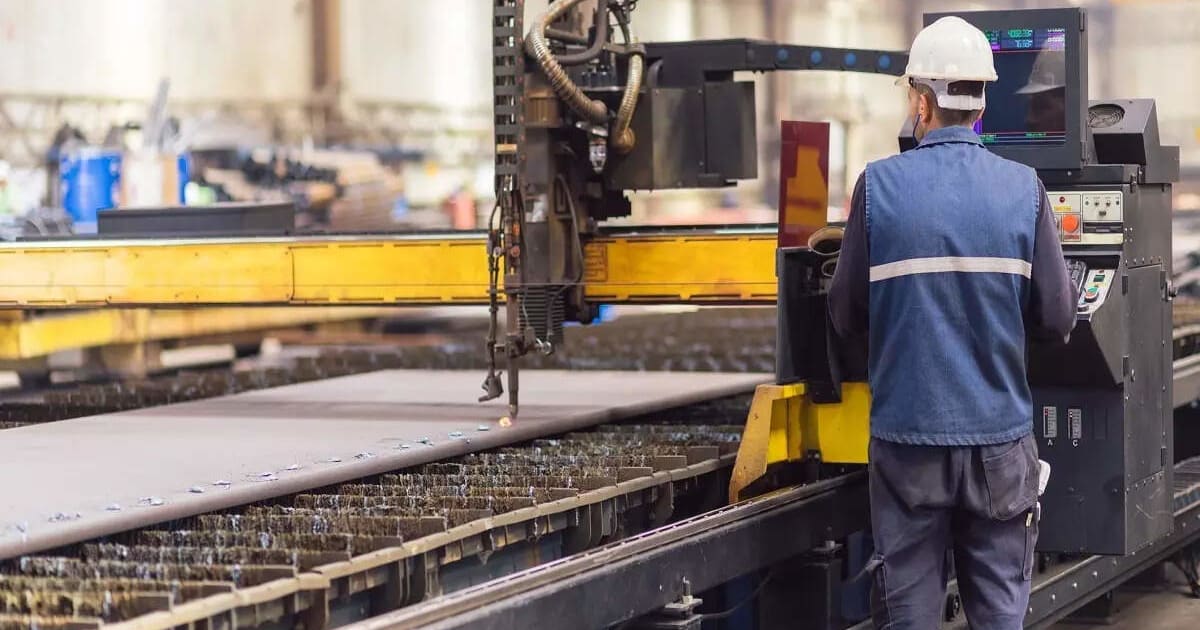
Geopolitical instability in West Asia is disrupting Indian manufacturing, leading to a moderation in Q1 FY27 growth. This report analyzes the ripple effects on sector margins, shipping costs, and investor sentiment across the Nifty 50 landscape.
The Geopolitical Margin Squeeze: Assessing India’s Q1 FY27 Manufacturing Outlook
The narrative of India as the world’s resilient factory floor is facing its most significant stress test since the 2022 energy crisis. As the conflict in West Asia intensifies, the direct correlation between crude oil volatility and Indian manufacturing margins has resurfaced with renewed ferocity. Our analysis at WelthWest Research Desk indicates that the Q1 FY27 growth trajectory is no longer merely a domestic story; it is hostage to the Red Sea maritime routes and global energy pricing benchmarks.
For investors, the 'manufacturing miracle' narrative is transitioning into a period of tactical consolidation. As logistics costs climb and input inflation threatens to erode the gains seen in FY26, the market is bracing for a contraction in EBITDA margins across the industrial spectrum.
Why is the West Asia Crisis Impacting India’s Industrial Output?
The manufacturing sector in India is highly sensitive to the 'Energy-Logistics' nexus. When crude prices surge due to geopolitical risk premiums, Indian manufacturers—many of whom operate on thin margins—experience a dual blow: higher energy costs and increased freight rates as shipping lines reroute around the Cape of Good Hope.
Historically, during the 2022 energy shocks, the Nifty Manufacturing Index saw a drawdown of approximately 8% within the first quarter of the crisis as investors priced in the lag between input costs and price pass-throughs. Today, we are seeing a similar pattern. The FICCI manufacturing survey confirms that order book growth is moderating, suggesting that SMEs and large-cap industrials alike are adopting a 'wait-and-see' approach to capital expenditure.
Sectoral Winners and Losers: A Deep Dive
While the broader market sentiment remains bearish, the impact is highly uneven. Automobiles and Paints are facing the brunt of the cost-push inflation. Paints, in particular, are reliant on crude-derivative solvents; a sustained rise in oil prices directly hits their gross margins. Conversely, Renewable Energy players and Specialty Chemicals are finding structural support as firms look to localize supply chains to mitigate global shipping risks.
Stock-by-Stock Analysis: Who is in the Crosshairs?
- MARUTI (Maruti Suzuki): With a high reliance on global supply chains for electronics and raw materials, Maruti faces margin compression if domestic demand softens alongside rising logistics costs. Currently trading at a P/E of ~28x, the downside risk remains elevated.
- ASIANPAINT (Asian Paints): As a crude-derivative-intensive business, Asian Paints is the quintessential 'loser' in an inflationary energy environment. Any spike in crude prices directly impacts their material cost, which accounts for over 60% of their total expenditure.
- RELIANCE (Reliance Industries): A nuanced case. While refining margins (GRMs) may benefit from volatility, the petrochemicals segment faces demand headwinds. Reliance remains a hedge, but its correlation with oil prices makes it a volatile proxy for the crisis.
- TATAMOTORS (Tata Motors): The JLR (Jaguar Land Rover) division is highly sensitive to European shipping lanes. Disruptions in the Red Sea directly impact their lead times, adding to working capital pressure.
- CONCOR (Container Corporation of India): A clear beneficiary of domestic logistics shifts. As supply chains reconfigure, CONCOR’s rail-led infrastructure becomes more attractive than ocean freight, positioning it as a defensive play.
- BHARATFORG (Bharat Forge): Despite exposure to global automotive cycles, their diversification into defense and aerospace provides a structural buffer against pure-play manufacturing slowdowns.
How will the RBI handle the inflation-growth trade-off?
The Reserve Bank of India (RBI) is caught in a classic trilemma. If they cut rates to stimulate manufacturing growth, they risk fueling inflation caused by imported energy costs. Investors should expect the RBI to maintain a 'higher for longer' stance on interest rates until the geopolitical risk premium in crude oil subsides. This limits the upside for interest-rate-sensitive stocks in the short term.
The Investor Playbook: Navigating the Volatility
Investors should shift from 'growth-at-any-cost' to 'margin-resilience' strategies. Our tactical recommendation involves trimming exposure to high-beta auto and consumer discretionary stocks while increasing weight in logistics providers that benefit from regionalization. The goal is to survive the Q1 volatility and reload on high-quality manufacturing leaders when the P/E multiples compress further.
Risk Matrix: What Could Go Wrong?
| Risk Factor | Impact | Probability |
|---|---|---|
| Sustained $90+ Crude Oil | High (Margin Erosion) | High |
| Extended Red Sea Blockade | Medium (Logistics Cost) | Medium |
| Domestic Demand Contraction | High (Revenue Growth) | Low |
What to Watch Next
The upcoming earnings season for Q1 FY27 will be the primary catalyst. Watch for commentary on 'input cost pass-throughs' in management conference calls. Additionally, monitor the monthly PMI (Purchasing Managers' Index) data releases; a reading below 54.0 would confirm a significant cooling of the manufacturing engine, signaling a time to move towards cash or defensive sectors.
Disclaimer: This content is generated by WelthWest Research Desk based on publicly available reports and is for informational purposes only. It does not constitute financial advice, investment recommendations, or an offer to buy or sell securities. Always consult a qualified financial advisor before making investment decisions.


