Key Takeaway
Rising energy costs and supply chain bottlenecks are threatening the margins of India's nascent semiconductor ecosystem. Investors should pivot toward energy-resilient sectors while hedging against high-capex electronics plays.
The escalating conflict in West Asia is sending shockwaves through global supply chains, directly threatening the cost-efficiency of India’s semiconductor mission. While domestic energy players stand to gain, the capital-intensive OSAT and EMS sectors face significant headwinds. We break down what this means for your portfolio.
The Geopolitical Friction Cost: Is India’s Chip Dream Hitting a Wall?
For months, the narrative surrounding India’s electronics manufacturing sector has been one of unbridled optimism. With massive government incentives and a global push for 'China Plus One,' the semiconductor roadmap seemed like a one-way street to success. However, the rapidly deteriorating situation in West Asia has introduced a new, volatile variable into the equation: the cost of capital and logistics.
The semiconductor industry is arguably the most sensitive sector to global supply chain disruptions. When geopolitical tensions flare in West Asia—a critical artery for global energy—the ripple effects are not just limited to petrol prices. They strike at the very heart of the high-tech assembly lines that India is working so hard to build.
The Margin Squeeze: Why OSAT and EMS are Feeling the Heat
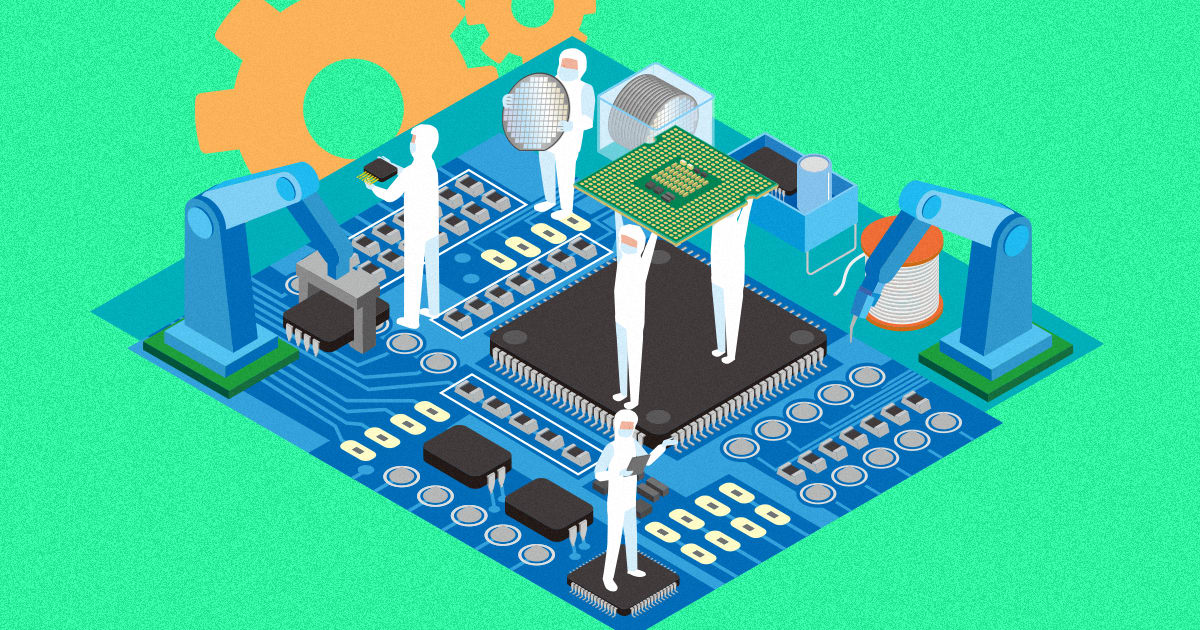
India’s strategy for semiconductor dominance relies heavily on the OSAT (Outsourced Semiconductor Assembly and Test) ecosystem. These facilities are capital-intensive, power-hungry, and dependent on a global flow of raw materials. As crude oil prices climb, two major problems emerge:
- Logistical Inflation: The cost of shipping critical components and specialized machinery is rising, eating directly into the thin margins of assembly players.
- Energy Costs: Semiconductor manufacturing requires a consistent, high-intensity power supply. As energy prices spike, the operational overhead for these plants becomes significantly more expensive, potentially delaying the timeline for break-even points.
The Market Winners and Losers
In this volatile climate, the Indian stock market is seeing a clear divergence. Investors need to distinguish between companies that provide essential infrastructure and those that are vulnerable to input costs.
The Likely Losers (Watch for Margin Compression)
Companies that rely on large-scale assembly and global supply chains are currently in the crosshairs. We are keeping a close eye on:
- Kaynes Technology & Syrma SGS Technology: While these companies are growth stars, their reliance on imported components and high-energy manufacturing processes makes them vulnerable to global logistical bottlenecks.
- Amber Enterprises: As a major player in electronics manufacturing services, the company faces potential headwinds if the cost of raw materials and transportation continues to climb, squeezing their ability to pass costs onto price-sensitive consumers.
- Aviation and Logistics: Beyond tech, sectors like aviation will feel the immediate sting of high fuel costs, which could lead to a broader market sentiment shift against sectors dependent on global trade lanes.
The Strategic Winners (The Energy Hedge)
In a 'higher-for-longer' energy price environment, the market typically rotates toward sectors that benefit from the very chaos hurting others:
- ONGC & Oil India: As crude prices surge, these upstream players see an immediate boost to their bottom lines. They represent the most direct hedge against the energy-driven inflation currently affecting the tech sector.
- Domestic Defence Manufacturers: Geopolitical instability is a perennial driver for defence spending. Companies in this space are likely to see sustained order books as the government prioritizes strategic autonomy amidst global volatility.
- Gold-Linked ETFs: In times of uncertainty, the 'flight to safety' trade remains undefeated. Gold acts as the ultimate hedge against both currency devaluation and geopolitical risk.
What Investors Need to Watch Next
The biggest risk to the Indian semiconductor roadmap isn't a lack of talent or government support—it’s prolonged capital expenditure delays. If the conflict in West Asia leads to a sustained period of high inflation, we expect to see a 'wait-and-see' approach from global players looking to set up shop in India. Watch the quarterly guidance from EMS players; if they start mentioning supply chain disruptions or inventory accumulation, it’s a red flag that the margin squeeze is worsening.
Furthermore, keep a close eye on the Brent Crude price action. As long as oil remains elevated, the 'beta' on high-growth tech stocks will remain high. Investors should focus on companies with strong balance sheets and the ability to hedge their energy costs effectively.
The Bottom Line
India’s semiconductor mission is a multi-decade play, but the next few quarters will be defined by resilience rather than rapid expansion. The market will punish companies that cannot protect their margins in an inflationary environment. For the savvy investor, this is a time to favor energy-resilient stocks and hedge against the high-capex electronics sector until the geopolitical dust settles.
Disclaimer: This content is generated by WelthWest Research Desk based on publicly available reports and is for informational purposes only. It does not constitute financial advice, investment recommendations, or an offer to buy or sell securities. Always consult a qualified financial advisor before making investment decisions.