Key Takeaway
The WHO’s PHEIC declaration triggers a shift toward defensive healthcare assets; investors should prioritize diagnostic leaders and medical consumable manufacturers with high export elasticity as global surveillance funding surges.
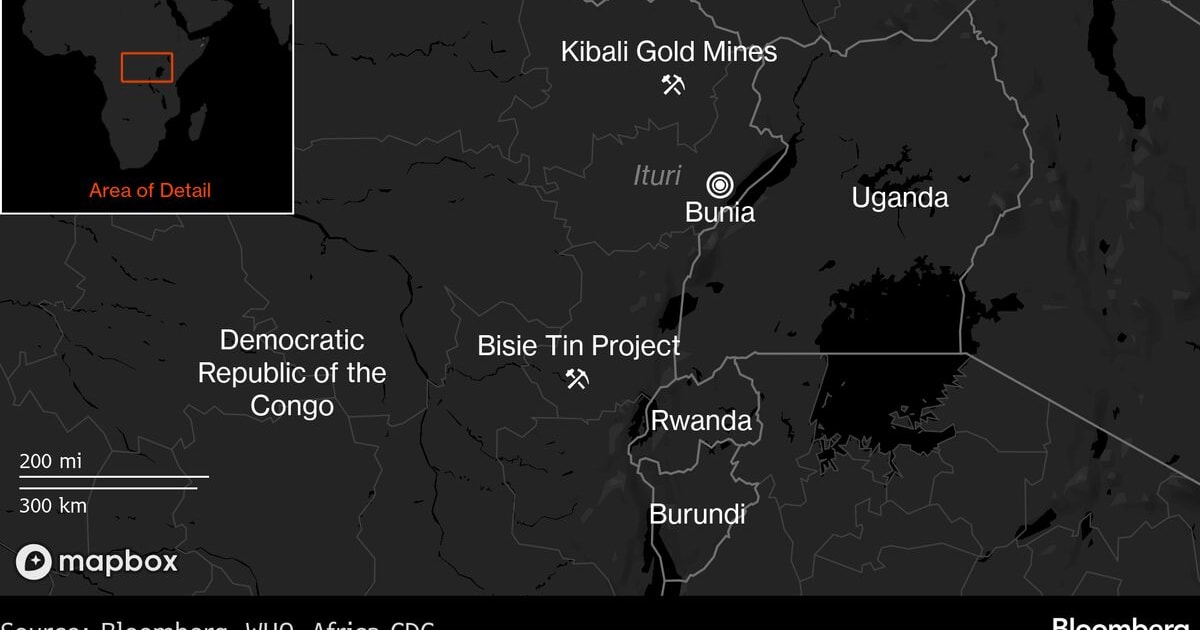
Following the WHO's emergency declaration over the Ebola outbreak in the DRC and Uganda, global markets are bracing for shifts in healthcare funding and logistics. This deep dive analyzes the specific tailwinds for Indian diagnostic and pharma giants, offering a strategic roadmap for navigating potential volatility.
The Global Health Trigger: Why the WHO Emergency Declaration Reshapes Market Sentiment
The World Health Organization (WHO) has officially designated the escalating Ebola outbreak in the Democratic Republic of Congo (DRC) and Uganda as a Public Health Emergency of International Concern (PHEIC). While the immediate clinical threat is concentrated in Central Africa, the financial ramifications are global. A PHEIC status is not merely a health warning; it is a legal and financial catalyst that unlocks international funding through the World Bank’s Pandemic Emergency Financing Facility (PEF) and accelerates regulatory pathways for experimental diagnostics and vaccines.
For the Indian equity markets, particularly the Nifty Pharma and Nifty Healthcare indices, this declaration serves as a speculative tailwind. Historically, when global health emergencies are declared—ranging from the 2014 Ebola crisis to the 2022 Mpox (Monkeypox) outbreak—investors pivot toward 'safe haven' healthcare stocks. During the 2014 Ebola outbreak, global healthcare indices significantly outperformed broader benchmarks as governments ramped up stockpiling of medical consumables. Today, with the Indian pharma sector trading at a localized premium, the focus shifts to companies with robust diagnostic infrastructure and global supply chain integration.
Deep Market Impact: Connecting Global Contagion to Indian Equities
The impact on the Indian market is multi-layered. First, there is the Diagnostic Delta. Any global outbreak necessitates mass screening at international transit hubs. Indian diagnostic giants, which have spent the last decade digitizing their supply chains, are primary beneficiaries of increased surveillance. Second, the Consumables Surge. Companies manufacturing Personal Protective Equipment (PPE), syringes, and specialized medical plasticware see an immediate uptick in export inquiries as African nations and international NGOs bolster their inventories.
Statistically, the Nifty Pharma index has shown a correlation with global health headlines. In 2022, following the Mpox declaration, the index witnessed a 4.5% rally within 15 trading sessions, driven by speculative interest in vaccine R&D players. However, the current Ebola situation presents a more nuanced risk-off environment. If the virus breaches African borders, we anticipate a 2-3% volatility spike in aviation stocks like InterGlobe Aviation (INDIGO) due to potential travel advisories, and a corresponding 'flight to quality' in high-margin healthcare stocks.
How will the Ebola emergency affect Indian pharmaceutical exports?
India remains the 'pharmacy of the world,' and its role in an Ebola-related emergency is twofold: providing affordable supportive care medications and scaling the production of diagnostic kits. While Ebola does not currently have a mass-market commercial vaccine like COVID-19, the R&D capabilities of Indian firms make them attractive partners for global biotechs. We expect an increase in contract research and manufacturing services (CRAMS) as global players look to de-risk their production away from high-cost jurisdictions. Furthermore, the logistics and cold-chain sector in India, which matured significantly during 2020-2021, is now better positioned to handle the rigorous demands of transporting sensitive medical supplies to the African continent.
Stock-by-Stock Breakdown: The Winners and Watchlists
Analyzing the NSE/BSE landscape reveals specific pockets of opportunity. Here are the key stocks positioned to react to the evolving global health landscape:
- Dr. Lal PathLabs (LALPATHLAB): As India’s premier diagnostic chain with a market cap exceeding ₹22,000 crore, LalPathLabs is the primary beneficiary of any domestic surveillance uptick. Currently trading at a P/E ratio of approximately 68x, the stock commands a premium for its asset-light model. If the government mandates screening for travelers from affected regions, LalPathLabs’ extensive network of 250+ labs and 4,500+ collection centers will be the first to capture the volume.
- Metropolis Healthcare (METROPOLIS): With a strong presence in Western India and a growing international footprint in Africa (including Kenya and Ghana), Metropolis is uniquely exposed to this narrative. Its African operations contribute roughly 3-5% to its consolidated revenue. While an outbreak poses operational risks, the increased demand for specialized pathology testing often offsets localized disruptions.
- Poly Medicure (POLYMED): This is the dark horse in the medical consumables space. POLYMED holds a significant market share in the manufacturing of IV catheters and medical disposables. With over 70% of its revenue coming from exports to over 110 countries, any global surge in PPE and medical supply demand directly impacts its bottom line. The stock has historically shown high sensitivity to global health funding cycles.
- Zydus Lifesciences (ZYDUSLIFE): Zydus is a leader in vaccine innovation in India. Their success with the ZyCoV-D platform demonstrates their ability to pivot toward emerging viral threats. With a robust balance sheet and a P/E ratio hovering around 25x—relatively undervalued compared to diagnostic peers—Zydus represents a value-growth play in the biopharmaceutical space.
- Glenmark Pharmaceuticals (GLENMARK): Glenmark’s global footprint, particularly in emerging markets, makes it a critical player in the supply of antiviral and supportive care drugs. Their experience in navigating complex regulatory environments in Africa ensures they remain a preferred supplier for international relief agencies.
Expert Perspective: The Bull vs. Bear Case
"The market is currently pricing in a localized containment. However, the 'Bull Case' argues that the PHEIC declaration will lead to a multi-year rerating of diagnostic multiples as health security becomes a permanent fixture of national budgets. Conversely, the 'Bear Case' suggests that unless a single case is detected on Indian soil, the current movement is purely speculative and will mean-revert within 30 days."
Institutional investors are closely watching the VIX (Volatility Index). A sustained rise in the VIX alongside a healthcare rally would confirm that the market is treating Ebola as a systemic risk rather than a sector-specific opportunity. Historically, defensive sectors like Pharma and FMCG see a 10-12% allocation increase during the early stages of global health scares.
Actionable Investor Playbook: How to Position Your Portfolio
For the retail and HNI investor, the strategy should be one of 'Tactical Defensive Positioning.'
- Accumulate Diagnostics on Dips: Look for entry points in LALPATHLAB and METROPOLIS if they pull back to their 200-day moving averages. These are structural growth stories that benefit from cyclical health scares.
- Watch the PPE Proxy: POLYMED is a high-conviction play for those looking for export-oriented growth. Monitor their quarterly export data for signs of increased African order books.
- Avoid Over-Leveraged Logistics: Logistics firms with significant debt and thin margins may suffer if international cargo rates fluctuate due to emergency protocols.
- Time Horizon: This is a medium-term play (3-6 months). The 'news alpha' will likely peak when the first major international funding tranches are announced by the WHO and World Bank.
Risk Matrix: Assessing the Downside
| Risk Factor | Probability | Market Impact |
|---|---|---|
| Cross-border transmission to India | Low | High (Panic selling in Nifty) |
| Global Travel Restrictions | Medium | Negative for Aviation/Tourism |
| Rapid Vaccine Development | Medium | Positive for R&D Pharma |
What to Watch Next: The Catalysts for Q3 2024
Investors should keep a close eye on the following upcoming triggers:
- WHO Weekly Situation Reports: These provide data on the 'R-naught' (reproduction rate) of the virus. Any increase in the transmission rate will accelerate market speculation.
- G7 Health Minister Meetings: Watch for specific funding commitments for vaccine procurement. This often precedes contract announcements for large-scale pharma manufacturers.
- Domestic Regulatory Moves: Any advisories issued by the Indian Ministry of Health or the DGCA (Directorate General of Civil Aviation) will act as an immediate price mover for diagnostic and airline stocks.
In conclusion, while the Ebola outbreak is a humanitarian concern, its status as a PHEIC creates a specific set of market dynamics. By focusing on quality diagnostic leaders and export-heavy medical consumable firms, investors can navigate this period of uncertainty with a data-driven strategy. The key is to separate speculative noise from structural demand shifts.
Disclaimer: This content is generated by WelthWest Research Desk based on publicly available reports and is for informational purposes only. It does not constitute financial advice, investment recommendations, or an offer to buy or sell securities. Always consult a qualified financial advisor before making investment decisions.