Key Takeaway
Whale dependency in the AI-crypto sector has reached a breaking point, where a single influencer's exit can wipe out 20% of market value in hours. For Indian investors, this serves as a warning for high-beta tech stocks that trade on sentiment rather than fundamental cash flows.
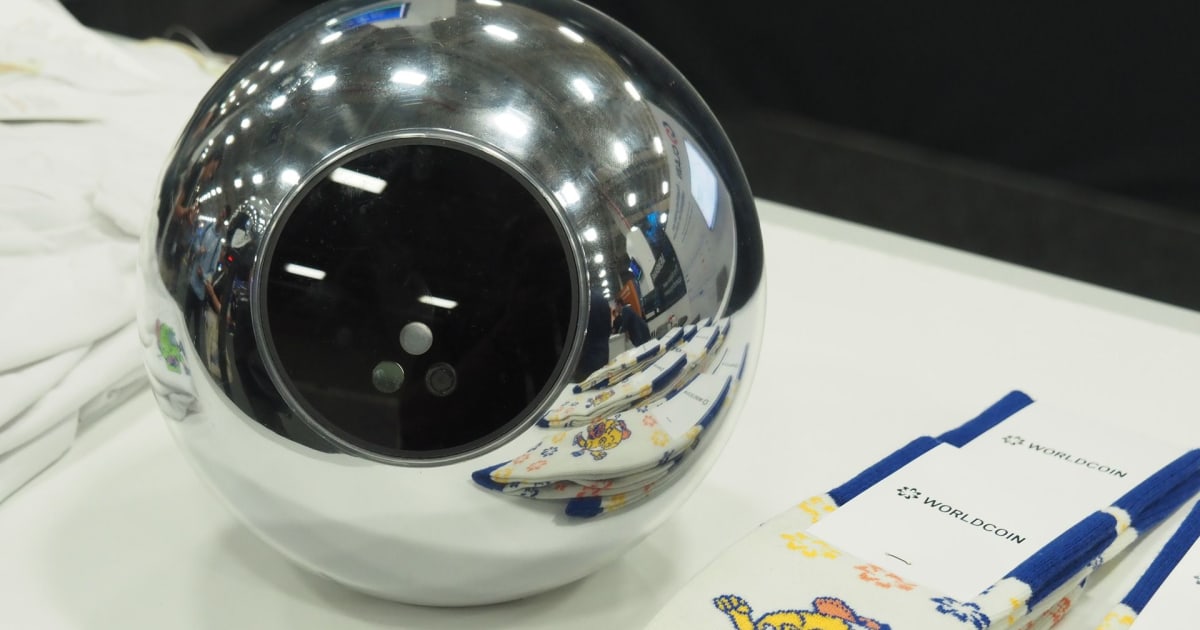
The sudden liquidation of Worldcoin (WLD) holdings by BitMEX co-founder Arthur Hayes has sent shockwaves through the digital asset market, resulting in a 20% price collapse. This investigation explores the 'influencer risk' inherent in AI-themed assets and analyzes the secondary impact on Indian IT and tech-focused stocks. We break down which NSE/BSE tickers are at risk of sentiment contagion and provide a strategic playbook for navigating the current volatility.
The Hayes Flip-Flop: A Masterclass in Market Manipulation or Strategic Exit?
In the high-stakes world of digital assets, transparency is often a mirage. Just twenty-four hours after publicly signaling a long-term commitment to Worldcoin (WLD), BitMEX co-founder and crypto-influencer Arthur Hayes liquidated a massive portion of his holdings. The result? A staggering 20% plunge in WLD's valuation, evaporating hundreds of millions in paper wealth for retail investors who followed his lead. This isn't just a story about a single token; it is a clinical observation of 'Whale Dependency'—a systemic risk where the exit of a single high-net-worth individual triggers a liquidity vacuum.
At WelthWest Research Desk, we have tracked these patterns since the 2022 Terra-Luna collapse. The mechanics are identical: an influential figure builds a narrative, retail capital floods in to provide the necessary exit liquidity, and the 'whale' exits at the peak of the hype. For Worldcoin—a project already mired in regulatory controversy regarding its biometric data collection—this dump highlights the extreme fragility of the AI-crypto narrative. When the primary driver of a project's value is 'hype-by-association' with Sam Altman, the lack of institutional-grade floor support becomes painfully obvious.
Why does the Worldcoin crash matter for Indian markets?
While Worldcoin (WLD) is not traded on the National Stock Exchange (NSE), the psychological contagion is real. India has one of the largest retail crypto-trading populations globally, despite the 30% flat tax and 1% TDS. This demographic overlaps significantly with the investors driving the rally in Indian 'New Age' tech stocks and AI-focused IT services. When a major AI-themed asset crashes globally, it triggers a 'risk-off' sentiment that transcends asset classes.
Historically, when global crypto sentiment turns bearish, we see a correlated cooling in the NSE Smallcap and Midcap indices. For instance, during the crypto winter of early 2022, the Nifty IT index saw a sharp correction of nearly 15% within a single quarter, as retail investors—bruised by digital asset losses—pulled back from high-multiple tech stocks. The Hayes-WLD event is a reminder that in an interconnected financial ecosystem, a liquidity crunch in one corner can lead to margin calls and forced selling in another.
How will high-beta Indian tech stocks react to AI-crypto volatility?
Investors often ask if a 20% drop in a token like WLD can actually hurt a company like Tech Mahindra or Tata Elxsi. The answer lies in valuation multiples. Many Indian IT stocks are currently trading at P/E ratios that bake in aggressive AI-driven growth. If the global AI narrative begins to show cracks—starting with speculative tokens—investors begin to re-evaluate the 'AI premium' they are paying for traditional equities. We are currently seeing a shift from 'AI Promise' to 'AI Performance,' and events like the WLD crash accelerate this transition.
Stock-by-Stock Breakdown: The Sentiment Contagion on NSE/BSE
The following stocks are not directly linked to Worldcoin, but they are the primary vehicles for Indian retail investors seeking exposure to the AI and high-tech narrative. They are the most vulnerable to a shift in the 'speculative appetite' of the market.
1. Tech Mahindra (NSE: TECHM)
Sector: IT Services / AI Solutions
Current P/E: ~45x
The Connection: Tech Mahindra has been the most vocal among the 'Big 5' regarding its AI-first strategy. With its 'Project Indus' and heavy investment in LLMs, it has become a proxy for AI growth in India. However, at a P/E significantly higher than its 5-year average, it is highly sensitive to any cooling of the global AI hype. If retail sentiment sours on AI globally, TECHM could see a 5-8% tactical correction as investors rotate into more defensive sectors like FMCG.
2. Happiest Minds Technologies (NSE: HAPPSTMNDS)
Sector: Digital Transformation
Current P/E: ~55x
The Connection: This is a classic 'retail favorite.' Happiest Minds positions itself as a 'born digital' company. Its high valuation is predicated on double-digit growth in AI and cloud services. The Hayes-WLD event underscores the risk of 'narrative-driven' investing. When the narrative is challenged, stocks with high retail ownership and high P/E ratios are the first to be offloaded. Watch the 880-900 INR support level closely.
3. Tata Elxsi (NSE: TATAELXSI)
0000Sector: ER&D / AI Design
Current P/E: ~60x
The Connection: Tata Elxsi is the gold standard for high-end tech engineering in India. However, it often trades at 'perfection' levels. The Worldcoin crash highlights how quickly 'innovative' projects can lose favor. While Elxsi has real cash flows (unlike WLD), it shares the same investor pool that seeks high-growth, high-tech exposure. A dip in global AI sentiment usually leads to a 'valuation compression' for Tata Elxsi, regardless of its quarterly performance.
4. Zomato Ltd (NSE: ZOMATO)
Sector: Internet / Platform Tech
The Connection: Zomato is the ultimate barometer for Indian retail risk appetite. While it isn't an AI company per se, it is the primary destination for the 'speculative' capital that also flows into crypto. Analysis shows that Zomato's trading volume often correlates with crypto market activity in India. A 20% crash in a major token like WLD reduces the 'wealth effect' for retail traders, potentially leading to reduced liquidity in high-beta stocks like Zomato.
5. Affle (India) Ltd (NSE: AFFLE)
Sector: Ad-Tech / AI-driven Marketing
The Connection: Affle uses AI for consumer intelligence. It is a niche play that has seen significant interest from investors looking for 'Applied AI.' The risk here is the lack of exit liquidity for retail investors if a broader tech sell-off occurs, similar to the liquidity trap seen during the WLD dump.
Expert Perspective: The Bull vs. Bear Case
"The Arthur Hayes exit is a healthy cleansing of the market. It separates the 'influencer-driven' speculators from the fundamental believers. For Indian IT, this is a non-event fundamentally, but a necessary cooling period for valuations that have run too far ahead of earnings." — Senior Strategy Analyst, WelthWest Research
The Bear View: Bears argue that the Worldcoin crash is the 'canary in the coal mine' for the AI bubble. They point to the fact that even insiders and major supporters are looking for the exit. In India, this could translate to a multi-month underperformance of the Nifty IT index as the 'AI premium' evaporates.
The Bull View: Bulls suggest that crypto volatility is idiosyncratic. They argue that Indian IT companies have robust balance sheets and real-world contracts, unlike speculative tokens. They see any sentiment-driven dip in stocks like TECHM or TATAELXSI as a 'generational buying opportunity' for long-term investors.
Actionable Investor Playbook: Navigating the AI Fallout
- Short-Term Strategy (1-4 Weeks): Reduce exposure to high-P/E 'AI-themed' midcaps. The volatility in WLD suggests that the 'easy money' in AI hype has been made. Increase cash levels to 15-20% to capitalize on potential flash sales in quality tech stocks.
- Medium-Term Strategy (3-6 Months): Focus on 'Applied AI' rather than 'Narrative AI.' Look for companies where AI is improving margins (like Infosys or TCS) rather than companies just mentioning AI in press releases.
- Entry Points: For Tech Mahindra, look for entry around the 1250-1300 INR range. For Tata Elxsi, the 7200 INR level provides a more comfortable margin of safety.
- Avoid: Avoid any new-age tech IPOs or small-cap 'AI' companies that lack a 3-year track record of profitability.
Risk Matrix: Assessing the Fallout
| Risk Type | Description | Probability | Impact |
|---|---|---|---|
| Liquidity Risk | Whales exiting positions faster than retail can react, leading to 'slippage.' | High | Severe |
| Regulatory Contagion | SEBI/RBI tightening norms on tech-investing platforms following crypto losses. | Medium | Moderate |
| Sentiment Spillover | Losses in crypto leading to margin calls in the Indian equity cash segment. | High | Moderate |
What to Watch Next: The Catalysts
The story doesn't end with the Hayes dump. Investors should keep a close eye on the following dates and events:
- NVIDIA Quarterly Earnings: As the global AI bellwether, any guidance cut here will turn the WLD 'crack' into a tech 'chasm.'
- RBI Policy Update: Any commentary on 'speculative retail flows' could signal a crackdown on the platforms that facilitate both crypto and high-leverage equity trading.
- Worldcoin Foundation Response: Watch for any 'locked' token releases or changes in vesting schedules. If more insiders dump, WLD could see another 30-40% downside, further damaging the AI-crypto sector's credibility.
In conclusion, the Arthur Hayes Worldcoin dump is a stark reminder that in the world of high-finance, you are either at the table or on the menu. For Indian investors, the lesson is clear: verify the fundamentals, ignore the influencers, and always ensure you have an exit strategy that doesn't depend on a whale's permission.
See None directly; indirect sentiment impact on tech-focused retail investors's AI Score
Our algorithmic screener scores None directly; indirect sentiment impact on tech-focused retail investors on fundamentals, momentum, and risk — free to try, no card needed.
Try the AI Screener →Have questions about this story?
Ask Welth, our finance-focused AI research assistant, for a deeper breakdown — free trial included.
Chat with Welth AI →Disclaimer: This content is generated by WelthWest Research Desk based on publicly available reports and is for informational purposes only. It does not constitute financial advice, investment recommendations, or an offer to buy or sell securities. Always consult a qualified financial advisor before making investment decisions.