Key Takeaway
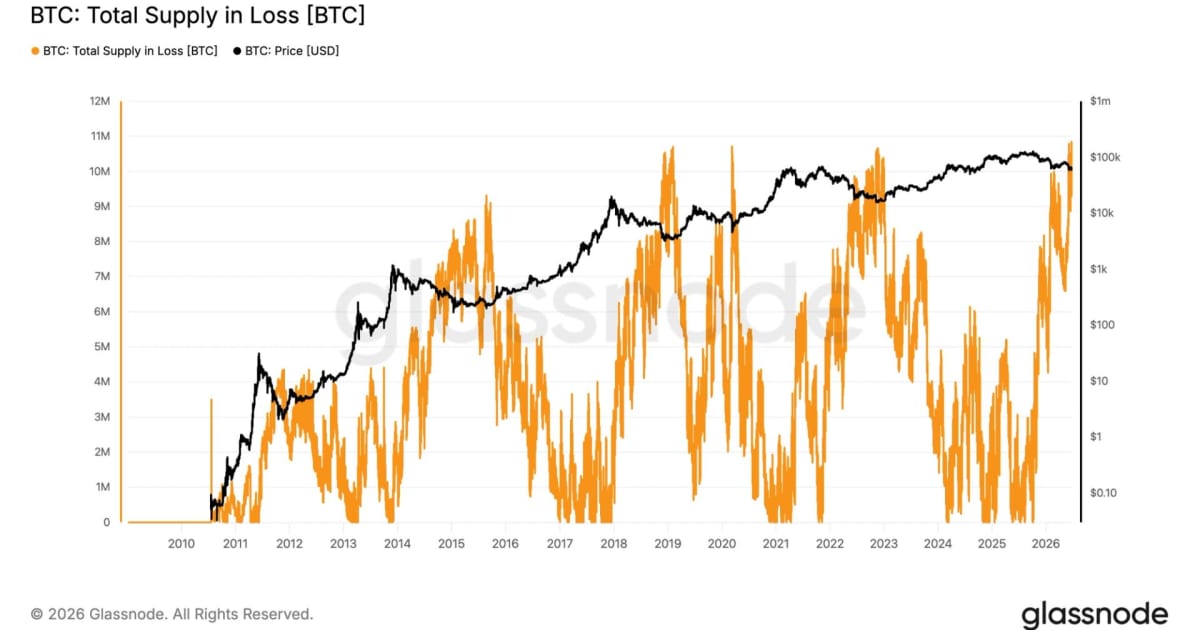
Bitcoin’s breach of the $80,000 psychological barrier signals a systemic shift toward risk-on global liquidity. For Indian investors, this portends a rotation out of conservative safe-havens and into high-beta tech plays, while simultaneously threatening local equity liquidity if FIIs pivot toward global crypto-proxies.
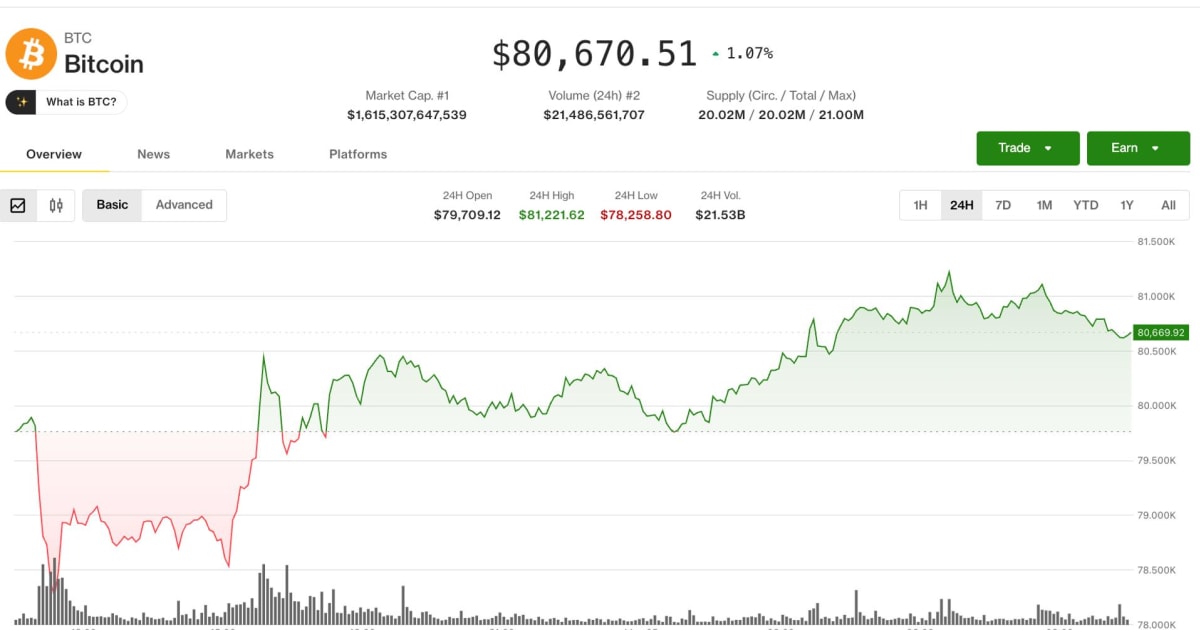
The surge of Bitcoin past $80,000 is more than a crypto milestone; it is a barometer for global risk appetite. This article explores how this liquidity shift impacts the Indian stock market, specifically targeting IT service providers and the broader FII investment landscape.
The $80,000 Threshold: A Global Liquidity Pivot
The crossing of the $80,000 mark by Bitcoin is not merely a technical breakout; it is a macro-economic signal of a profound shift in global risk appetite. When digital assets enter a parabolic phase, they act as a vacuum for excess liquidity, often drawing capital away from traditional defensive bastions like Gold and sovereign debt. For the Indian investor, this development is a double-edged sword: it validates a global risk-on environment that typically favors emerging markets, yet it introduces a volatile competitor for Foreign Institutional Investor (FII) capital.
Historically, when digital assets experience such rapid appreciation, the correlation with high-beta equities increases. In the 2021 bull cycle, the Nifty 50 experienced a 14% correction in the months following the peak of crypto-mania as liquidity tightened globally. Today, the liquidity environment is different, characterized by shifting central bank policies and a search for yield that has moved beyond traditional banking instruments.
How will the Bitcoin rally influence FII flows into India?
The primary concern for the Indian bourse is the potential for institutional rotation. FIIs have been net sellers in the Indian market throughout Q3, and a shift toward high-beta global assets like Bitcoin and crypto-exposed ETFs could exacerbate this trend. When global liquidity chases crypto, the hurdle rate for Indian equities rises. If the Nifty 50's P/E ratio, currently hovering at a premium relative to its 5-year average of 22x, fails to justify growth against the explosive upside of digital assets, we may see a sustained outflow from large-cap Indian stocks.
Sectoral Impact: The IT and Fintech Nexus
The Indian IT sector, specifically companies with exposure to blockchain infrastructure, fintech, and digital transformation, finds itself at the epicenter of this shift. While traditional banking stocks (like HDFC Bank or Kotak Mahindra Bank) may face stagnation as they are viewed as 'conservative' anchors, IT service providers are increasingly positioning themselves as the backbone of the decentralized finance (DeFi) revolution.
Stock-by-Stock Analysis
- Persistent Systems (PERSISTENT): With a strong focus on cloud-native digital engineering, Persistent is a primary beneficiary of the increased R&D spend by global fintech firms. As crypto platforms scale, their reliance on Persistent’s proprietary software frameworks grows, making it a high-beta play on the crypto-economy.
- Zensar Technologies (ZENSARTECH): Zensar has aggressively pivoted toward AI and data-driven digital services. Their ability to integrate legacy banking systems with blockchain-based payment gateways makes them a strategic partner for global financial institutions looking to modernize their digital asset infrastructure.
- Tata Consultancy Services (TCS): As the industry bellwether, TCS provides the institutional stability that crypto-adjacent firms require. While TCS is less volatile, its role in building the underlying infrastructure for Central Bank Digital Currencies (CBDCs) provides a stable, long-term hedge against the volatility of crypto-assets.
- Coforge (COFORGE): Known for its deep expertise in the insurance and financial services vertical, Coforge is well-positioned to capitalize on the increasing institutionalization of digital assets, where compliance and security are paramount.
The Contrarian View: Bulls vs. Bears
Bulls argue that the $80,000 Bitcoin milestone serves as a 'rising tide' for all tech-heavy indices. They point to the maturation of the asset class and the integration of crypto into traditional portfolios as evidence that this is no longer a 'fringe' event but a core component of the modern financial stack. They anticipate that as crypto gains legitimacy, the IT firms building these rails will see revenue multiples expand.
Conversely, bears highlight the 'Liquidity Drainage' hypothesis. They argue that crypto is a volatile, non-productive asset. If capital is diverted from productive Indian manufacturing and service sectors into speculative digital assets, the real economy suffers. Furthermore, the regulatory overhang in India—specifically the taxation regime on virtual digital assets—acts as a persistent risk that could lead to sudden, sharp outflows if the government signals a tightening of digital asset oversight.
Actionable Investor Playbook
For the retail and institutional investor, the current environment demands a defensive yet opportunistic posture:
- Reduce Overweight Positions in Stagnant Banking: If your portfolio is heavy on conservative PSU banks, consider trimming positions that are sensitive to rising global interest rates and low growth.
- Allocate to 'Infrastructure' IT: Prioritize IT companies (like Persistent and Zensar) that derive revenue from digital infrastructure rather than pure speculative crypto proxies.
- Monitor FII Flows: Keep a close watch on the daily FII net investment data. A sustained three-day outflow in the Nifty 50 coinciding with a Bitcoin rally is a technical sell signal.
Risk Matrix
| Risk Factor | Probability | Impact |
|---|---|---|
| Regulatory Crackdown (India) | Medium | High |
| Global Liquidity Contraction | Medium | High |
| Crypto Market Flash Crash | High | Medium |
What to Watch Next
The immediate catalysts to watch are the upcoming US Federal Reserve meeting minutes and any shifts in the Indian RBI’s stance on CBDC implementation. These events will define whether the current risk-on sentiment is sustainable or if we are approaching a liquidity-induced bubble. Keep an eye on the Q3 earnings reports of mid-cap IT firms, as these will reveal the actual 'crypto-revenue' contribution to their bottom lines.
Disclaimer: This content is generated by WelthWest Research Desk based on publicly available reports and is for informational purposes only. It does not constitute financial advice, investment recommendations, or an offer to buy or sell securities. Always consult a qualified financial advisor before making investment decisions.