Key Takeaway
Anticipated fuel price hikes in India signal a significant earnings recovery for Oil Marketing Companies (OMCs) like IOC, HPCL, and BPCL. However, this relief comes at a steep cost for consumers and businesses, potentially fueling inflation and pressuring discretionary spending sectors.
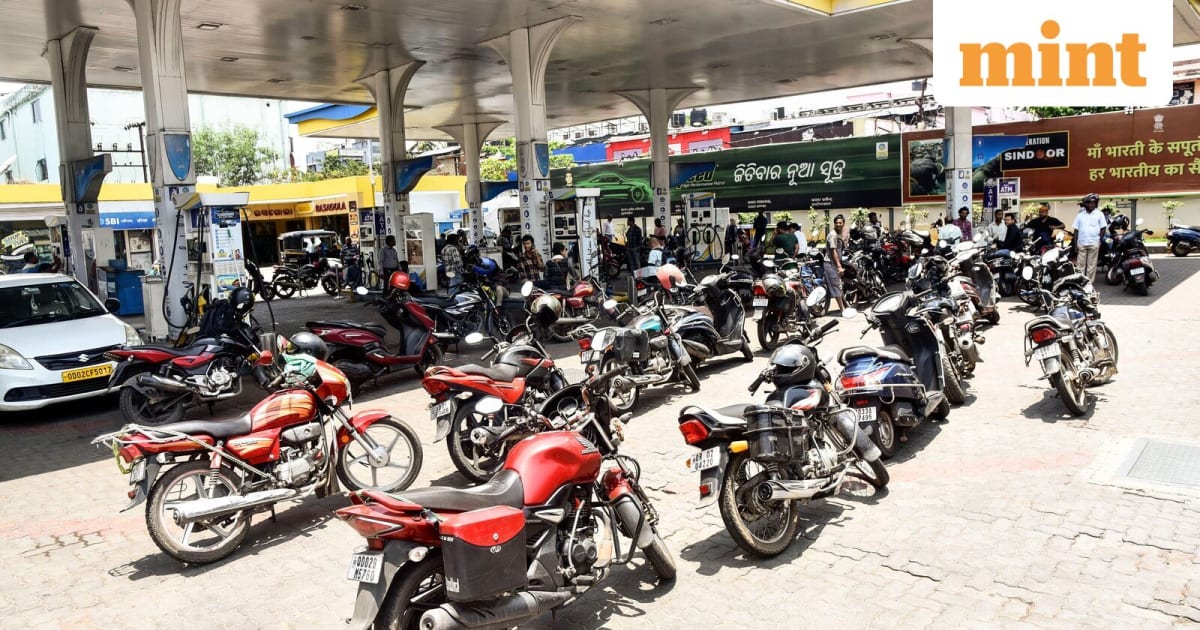
India's Oil Marketing Companies are on the cusp of a much-needed financial uplift driven by projected fuel price increases. This analysis dissects the complex interplay between OMC profitability, rising inflation, and the ripple effects across the Indian stock market, identifying key winners and losers.
India's Looming Fuel Price Hike: A Double-Edged Sword for the Economy and Markets
As global crude oil prices navigate volatility, a significant undercurrent is building within India's energy sector: the impending adjustment of domestic petrol and diesel prices. For months, Oil Marketing Companies (OMCs) have absorbed the brunt of elevated international benchmarks, leading to suppressed retail fuel rates and considerable financial strain. This strategic holding pattern, aimed at cushioning consumers, appears to be reaching its limit. Economists and market analysts are increasingly signaling a near-term inevitability of price revisions, a move that promises a much-needed financial reprieve for state-owned OMCs but casts a long shadow over inflation and consumer sentiment. This situation represents a critical juncture for the Indian economy, with profound implications for the stock market, corporate profitability, and household budgets.
Why is India's Fuel Price Adjustment Critical Now?
The current scenario is a direct consequence of the disconnect between global crude oil costs and domestic retail fuel prices. For an extended period, OMCs have been compelled to sell petrol and diesel below their cost of procurement and refining. This practice, often termed 'under-recovery,' significantly erodes their profit margins and strains their balance sheets, impacting their ability to service debt and invest in future infrastructure. The recent geopolitical tensions and supply-side uncertainties in the global oil market have only exacerbated this situation, keeping international prices elevated. The longer OMCs delay price adjustments, the larger their accumulated losses become, creating a ticking time bomb for their financial health and, by extension, the stability of the energy sector. The government, while keen to control inflation, also faces the imperative of ensuring the viability of its key energy PSUs. Therefore, a recalibration of retail prices is not merely an economic adjustment but a strategic necessity to prevent a deeper financial crisis within the OMC ecosystem.
The 'why now' is intrinsically linked to the sustainability of the current pricing model. When OMCs operate at a loss, their capacity to manage working capital diminishes, potentially leading to higher borrowing costs and a reliance on government support. This can divert funds from crucial infrastructure development and diversification efforts. Furthermore, sustained underpricing distorts market signals and can lead to inefficiencies in consumption patterns. The expectation of a price hike is therefore a signal that the current unsustainable equilibrium is about to be disrupted, forcing a return to market-driven pricing, albeit with a lag and a potential inflationary shock.
Deep Market Impact Analysis: Winners, Losers, and Sectoral Shifts
The impending fuel price hike is poised to create a bifurcated market impact, creating clear beneficiaries and significant headwinds for various sectors. At the forefront of the 'winners' are the Oil Marketing Companies themselves. State-owned giants such as Indian Oil Corporation (IOC), Hindustan Petroleum Corporation Limited (HPCL), and Bharat Petroleum Corporation Limited (BPCL) are expected to see a substantial improvement in their gross refining margins and retail selling prices. This could translate into a significant boost in their quarterly earnings, potentially leading to a re-rating of their stock valuations. Historically, periods of sustained under-recovery followed by price adjustments have often been followed by strong rallies in OMC stocks, as their profitability normalizes and even surpasses previous levels. For instance, following price hikes in late 2022, several OMCs witnessed a notable uptick in their stock performance as their financial health improved.
Conversely, the 'losers' list is extensive and touches upon the core of the Indian consumer economy. The most immediate impact will be felt by consumer discretionary sectors. A rise in fuel prices directly translates to higher transportation costs for goods and services, which inevitably gets passed on to the end consumer. This reduces the disposable income available for non-essential purchases, impacting demand for automobiles, travel and tourism services, and retail goods. The automotive sector, already navigating supply chain challenges and evolving consumer preferences, will likely face renewed pressure. Companies like Maruti Suzuki India Ltd. (Maruti Suzuki), Tata Motors Ltd. (Tata Motors), and Ashok Leyland Ltd. (Ashok Leyland) may see a slowdown in demand as higher running costs make vehicle ownership less attractive, especially for entry-level and commercial segments.
The logistics and transportation sector will be directly in the crosshairs. For companies such as Blue Dart Express Ltd. (Blue Dart) and Gati Ltd., fuel constitutes a significant portion of their operating expenses. An increase in diesel prices, which are critical for trucking and freight movement, will compress their margins unless they can fully pass on the increased costs to their clients. This, in turn, will impact the cost of distribution for almost every other industry. Fast-Moving Consumer Goods (FMCG) companies, while often resilient due to the essential nature of their products, will not be immune. Their extensive distribution networks rely heavily on road transport, meaning higher logistics costs will inevitably squeeze their already tight margins, potentially leading to either reduced profitability or incremental price hikes on their products, further contributing to inflation.
Industries that depend on transportation for both raw material procurement and finished goods dispatch will also face increased input costs. Sectors such as cement, steel, and even agriculture, where produce needs to be moved from farms to markets, will experience a ripple effect. This broad-based inflationary pressure can lead to a slowdown in overall economic activity, as businesses might delay expansion plans and consumers become more cautious with their spending. The net effect on the broader market sentiment is likely to be bearish in the short to medium term, as investors price in the higher inflationary environment and its potential dampening effect on corporate earnings across a wide spectrum of industries.
How Will the RBI's Stance Influence the Impact of Fuel Price Hikes?
The Reserve Bank of India's (RBI) monetary policy stance plays a crucial role in mitigating or amplifying the inflationary pressures stemming from fuel price adjustments. If the RBI perceives the fuel price hike as a significant and persistent driver of inflation, it might be compelled to maintain a hawkish stance or even consider further interest rate hikes to anchor inflation expectations. This would have a dampening effect on economic growth, as higher borrowing costs would impact corporate investment and consumer spending on big-ticket items like homes and vehicles. Conversely, if the RBI views the fuel price adjustment as a necessary, one-time correction and inflation remains within its target band due to other moderating factors, it might stick to its current policy path. The market will be keenly watching the RBI's commentary and future policy decisions for cues on how it intends to balance inflation control with economic growth in the wake of these potential price increases. A proactive approach from the RBI to manage inflation expectations can soften the blow of higher fuel costs on the broader economy and financial markets.
Stock-by-Stock Breakdown: Navigating the Turbulence
The impending fuel price adjustments necessitate a granular examination of specific stocks and their potential trajectories. Investors must understand the direct and indirect impacts on individual companies within the affected sectors.
- Indian Oil Corporation (IOC) - Ticker: IOC: As India's largest OMC, IOC stands to be a primary beneficiary. Its vast refining capacity and extensive retail network mean that any increase in the difference between crude oil prices and retail selling prices directly boosts its profitability. Historically, IOC has demonstrated strong performance following periods of price normalization. With a market capitalization of approximately ₹1.6 lakh crore and a P/E ratio that tends to fluctuate based on market sentiment but has often been attractive during periods of under-recovery, a price hike could see its earnings per share (EPS) significantly improve. Analysts anticipate a potential increase in margins by 5-10% per rupee increase in fuel prices.
- Hindustan Petroleum Corporation Limited (HPCL) - Ticker: HPCL: Similar to IOC, HPCL is poised for a profit surge. Its integrated operations and significant market share in the retail segment make it highly sensitive to fuel price adjustments. HPCL's market capitalization of around ₹45,000 crore and a P/E ratio that reflects its cyclical nature will likely see an upward revision in earnings estimates. The company's ability to pass on costs efficiently will be a key determinant of its stock performance.
- Bharat Petroleum Corporation Limited (BPCL) - Ticker: BPCL: BPCL, another major player, will also benefit from the price recalibration. Its refining and marketing business segments will see improved margins. With a market cap of roughly ₹65,000 crore, BPCL's financial health is closely tied to the pricing of petrol and diesel. A sustained increase in profitability could lead to a re-evaluation of its forward-looking valuations.
- Maruti Suzuki India Ltd. - Ticker: MARUTI: The largest passenger vehicle manufacturer in India, Maruti Suzuki, faces headwinds. Higher fuel prices deter consumers from purchasing new vehicles, particularly those in the mass market segment where Maruti Suzuki dominates. Increased transportation costs for raw materials and finished goods will also impact its operating expenses. While its strong brand loyalty and extensive dealer network provide some resilience, a sustained period of high fuel costs could lead to a slowdown in sales volume growth, impacting its revenue and profit. Its market cap of over ₹3 lakh crore and a historically high P/E ratio suggest that any dip in growth could be punished by the market.
- Tata Motors Ltd. - Ticker: TATAMOTORS: Tata Motors, with its diverse portfolio spanning passenger vehicles, commercial vehicles, and EVs, will experience a mixed impact. While its commercial vehicle segment might see some pressure from higher diesel costs for fleet operators, its passenger vehicle segment could be affected by reduced consumer spending. The company's growing EV business, however, might offer some insulation. Nevertheless, the overall sentiment shift towards higher operating costs and potentially lower discretionary spending will weigh on its stock.
- Blue Dart Express Ltd. - Ticker: BLUEDART: As a leading integrated express logistics provider, Blue Dart's profitability is directly correlated with fuel costs, especially diesel. A significant hike in diesel prices will compress its margins unless these costs are effectively passed on to its customers. While Blue Dart has a premium pricing strategy and a strong market position, prolonged high fuel prices can lead to increased price sensitivity among its client base, potentially impacting volume growth and profitability. Its market cap of around ₹25,000 crore and P/E ratio will be under scrutiny as operating costs rise.
Expert Perspectives: Bears vs. Bulls on India's Fuel Price Outlook
The debate surrounding the impending fuel price hike is sharply divided, reflecting differing economic outlooks and risk appetites.
Bears argue that the price hike is a necessary evil that will inevitably trigger a second wave of inflation, impacting consumption and corporate margins across the board. They point to the potential for a significant slowdown in economic growth as disposable incomes shrink and input costs rise. Bears also highlight the risk of the government delaying the hike for too long, leading to a deeper financial crisis for OMCs, which could then necessitate a larger, more disruptive adjustment later. Their outlook is cautious, anticipating market volatility and a potential downturn in equities, particularly in consumption-oriented sectors.
Bulls, on the other hand, see the price hike as a long-overdue correction that will stabilize the finances of OMCs and remove a significant overhang from the energy sector. They believe that the inflationary impact, while present, will be manageable and temporary, especially if the RBI effectively anchors inflation expectations. Bulls also emphasize that the price adjustment will improve the financial discipline of OMCs, allowing them to invest in future energy needs. They might argue that the market has already priced in some of this risk, and the eventual relief for OMCs could spur a rally in their stocks, creating opportunities for investors.
The Investor's Playbook: Navigating the Fuel Price Adjustment
For investors, the current environment calls for a strategic and defensive approach. The anticipated fuel price hike presents both risks and opportunities, demanding careful consideration of sector exposure and individual stock fundamentals.
- Buy OMCs (IOC, HPCL, BPCL) on dips: With a medium-term horizon (6-12 months), OMCs present a compelling buy opportunity. As prices are adjusted upwards, their profitability will recover. Investors can look to enter positions on any temporary market weakness or pre-announcement volatility. The potential for dividend payouts and improved financial metrics makes these stocks attractive.
- Reduce exposure to highly discretionary consumer stocks: Sectors such as automotive (especially non-essential segments), airlines, and high-end retail may face headwinds. Investors could consider trimming positions or shifting to more defensive consumer staples. For automotive stocks like Maruti Suzuki and Tata Motors, waiting for clearer signs of demand stabilization or specific catalysts might be prudent.
- Hedge logistics and transportation costs: Companies like Blue Dart Express and Gati will be under pressure. Investors should monitor their ability to pass on costs and their fuel hedging strategies. It might be advisable to adopt a cautious stance or wait for a clearer picture of margin sustainability.
- Focus on companies with strong pricing power: In an inflationary environment, companies that can pass on increased costs to consumers without significantly impacting demand will perform better. This includes select FMCG players with strong brand loyalty and essential service providers.
- Monitor inflation data and RBI policy: The trajectory of inflation and the RBI's response will be critical. Investors should closely track CPI data releases and the central bank's monetary policy committee meetings for any shifts in stance that could impact interest rates and overall market liquidity.
Entry points for OMCs could be considered around current levels, with a view to adding on further minor dips. For defensive plays, consolidating existing positions in resilient sectors like IT services (though facing global demand concerns) and select pharmaceuticals might be a prudent strategy. The time horizon for this strategy should be at least six months, allowing the market to digest the price adjustments and their subsequent economic impact.
Risk Matrix: Potential Pitfalls and Probabilities
While the direction of fuel price adjustments seems probable, several risks could alter the magnitude and impact:
- Risk 1: Insufficient Price Hike (Probability: Medium - 40%): The government might opt for a smaller-than-expected price increase to cushion consumers further. This would leave OMCs with continued financial strain, potentially delaying their recovery and creating ongoing uncertainty in the energy sector.
- Risk 2: Exacerbated Inflationary Spiral (Probability: Medium - 35%): A larger-than-anticipated price hike, coupled with global commodity price surges, could lead to a more severe inflationary environment than currently projected. This would force a more aggressive response from the RBI, potentially stifling economic growth and negatively impacting corporate earnings across the board.
- Risk 3: Geopolitical Oil Price Shock (Probability: Low - 20%): An unforeseen escalation of geopolitical tensions in major oil-producing regions could lead to a sudden spike in global crude prices, negating any benefits from domestic price adjustments and pushing inflation even higher.
- Risk 4: Policy Intervention & Subsidies (Probability: Low - 15%): The government might reintroduce or increase subsidies on fuel, which would again place the burden back on OMCs and delay their financial normalization. This would also distort market signals.
What to Watch Next: Upcoming Catalysts
The unfolding narrative around India's fuel prices will be shaped by several key factors in the coming weeks and months:
- Government Announcements on Fuel Pricing: Any official communication from the Ministry of Petroleum and Natural Gas or the Finance Ministry regarding price adjustments will be the primary catalyst.
- Inflation Data Releases (CPI): Monthly consumer price index data will be crucial in assessing the actual inflationary impact of any price hikes and the RBI's potential reaction.
- RBI Monetary Policy Committee Meetings: The minutes and outcomes of these meetings will signal the central bank's outlook on inflation and its policy intentions.
- Quarterly Earnings Reports for OMCs and Affected Companies: The financial results of IOC, HPCL, BPCL, Maruti Suzuki, Tata Motors, and Blue Dart Express will provide concrete data on how the price adjustments are impacting their bottom lines.
- Global Crude Oil Price Movements: Continued monitoring of Brent and WTI crude prices remains essential, as they are the fundamental drivers of domestic fuel cost calculations.
By closely observing these developments, investors can better navigate the complexities of India's energy sector and its profound impact on the broader economy and stock market.
Disclaimer: This content is generated by WelthWest Research Desk based on publicly available reports and is for informational purposes only. It does not constitute financial advice, investment recommendations, or an offer to buy or sell securities. Always consult a qualified financial advisor before making investment decisions.


