Key Takeaway
The Prime Minister's definitive dismissal of foreign travel surcharge rumors removes a significant 'policy overhang' for the aviation and tourism sectors, paving the way for sustained margin expansion in outbound travel intermediaries.
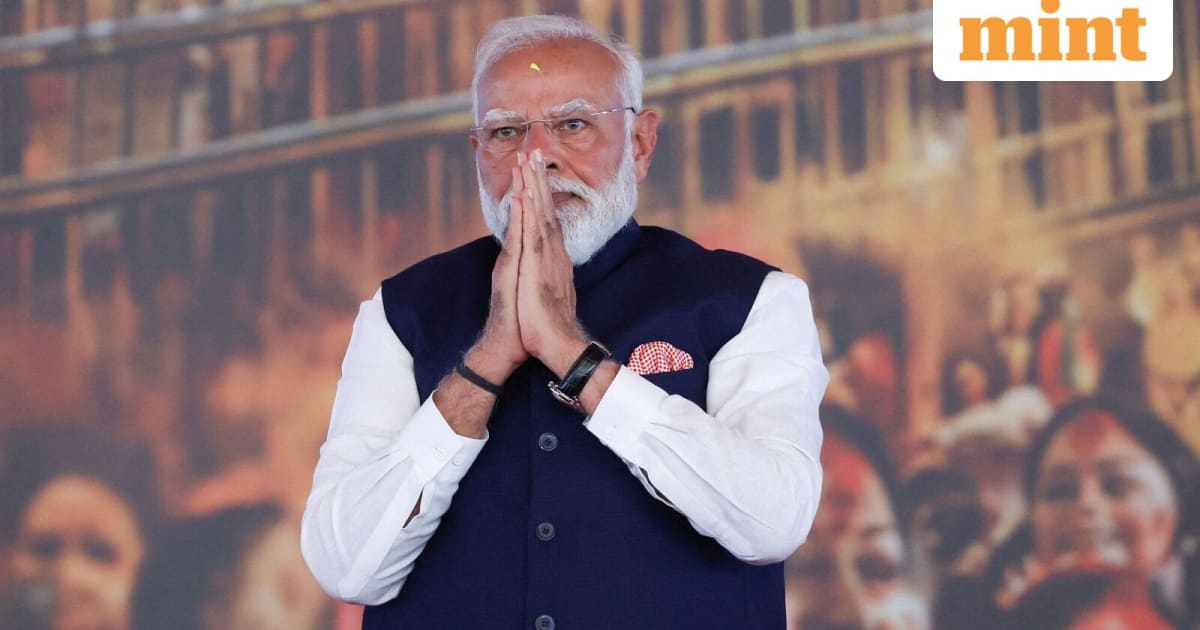
In a decisive move to stabilize the discretionary spending landscape, PM Narendra Modi has officially debunked rumors regarding a new surcharge on international travel. This clarification provides a massive sentiment boost for Online Travel Aggregators (OTAs) and international carriers who feared a repeat of the 2023 TCS (Tax Collected at Source) volatility. Our analysis explores why this policy clarity is a catalyst for stocks like InterGlobe Aviation and Thomas Cook India.
The Policy Pivot: Why PM Modi’s Clarification is a Game-Changer for Investors
In the high-stakes world of Indian equity markets, rumors often carry as much weight as policy until they are officially neutralized. Recently, the travel and tourism sector was gripped by apprehension over a whispered 'surcharge' on foreign travel—a move that would have effectively dampened the post-pandemic outbound travel boom. However, Prime Minister Narendra Modi’s direct intervention, stating there is "not an iota of truth" in these claims, has effectively extinguished a burgeoning fire of uncertainty.
For the senior financial analyst, this isn't just a political fact-check; it is a fundamental shift in the risk-reward ratio for the Travel & Tourism sector. Outbound travel from India is no longer a luxury for the elite; it is a burgeoning industry projected to reach a staggering $45 billion by 2025. Any additional fiscal friction, such as a surcharge, would have acted as a regressive tax on the middle-class aspiration, directly hitting the transaction volumes of Online Travel Aggregators (OTAs) and the load factors of international carriers.
The Historical Context: Lessons from the 2023 TCS Hike
To understand why the market reacted with such relief, one must look back at the 2023 hike in Tax Collected at Source (TCS) for foreign remittances. When the government increased the TCS from 5% to 20% (for amounts exceeding ₹7 lakh), the sector witnessed a temporary paralysis. Investors remember the 10-15% intraday volatility in stocks like Easy Trip Planners (EASEMYTRIP) and Thomas Cook (India) during that period. By debunking the current surcharge rumors, the PM has prevented a similar 'policy shock' that could have de-rated the sector's P/E multiples.
Deep Market Impact: Connecting the Dots to the Nifty 50 and Beyond
The removal of this policy threat stabilizes the discretionary spending outlook. When travelers face higher upfront costs due to taxes or surcharges, they typically respond in two ways: they either downgrade their destination or shorten their stay. Both scenarios are detrimental to the high-margin international segments of Indian travel companies. With the surcharge threat gone, we expect a re-rating of companies that derive a significant portion of their EBITDA from international packages and forex services.
From a macro perspective, the Indian aviation sector is currently in a 'Golden Age' of capacity expansion. InterGlobe Aviation (INDIGO) has a massive order book of over 500 aircraft, with a clear focus on increasing its international footprint to 30% of its total capacity. A surcharge would have been a direct headwind to these expansion plans. Instead, we now see a clear runway for international yield growth.
How will this affect the 'Outbound Travel' ecosystem?
The ecosystem is comprised of three distinct layers: the facilitators (OTAs), the executors (Airlines), and the ancillary service providers (Forex and Visa). The PM's clarification benefits all three by ensuring that the 'Total Cost of Trip' remains predictable. In an environment where Aviation Turbine Fuel (ATF) prices remain volatile, the last thing the industry needed was a self-inflicted policy wound. This stability allows companies to focus on volume growth rather than tax compliance and customer friction management.
Stock-by-Stock Breakdown: The Winners of Policy Clarity
1. InterGlobe Aviation Ltd (INDIGO) | NSE: INDIGO
As India’s dominant carrier with a ~60% domestic market share, Indigo is aggressively pivoting toward international long-haul routes. The international segment offers 15-20% higher Revenue per Available Seat Kilometer (RASK) compared to domestic routes. With the surcharge rumor dismissed, Indigo can maintain its aggressive pricing strategy for destinations like Istanbul, Nairobi, and Southeast Asia. Analysts should watch for a breakout above the ₹4,500 resistance level, supported by a healthy P/E ratio relative to global peers like Ryanair or Southwest.
2. Thomas Cook (India) Ltd | NSE: THOMASCOOK
Thomas Cook is a unique play because it captures the entire travel value chain—from forex to visa services to holiday packages. Their Foreign Exchange division is a high-margin business that would have been directly impacted by any surcharge-induced volume drop. Currently trading at a reasonable valuation after its post-pandemic recovery, the stock stands to benefit from the 'peace of mind' this clarification brings to high-net-worth individuals (HNIs) planning long-haul European or American vacations.
3. Easy Trip Planners Ltd (EaseMyTrip) | NSE: EASEMYTRIP
EaseMyTrip operates on a 'zero-convenience fee' model, making it highly sensitive to the total price of a ticket. Because their margins are thinner than full-service agencies, any government-imposed surcharge would have forced them to reconsider their pricing strategy. This clarification ensures their volume-led growth remains intact. Investors should monitor their Gross Booking Value (GBV) in the upcoming quarterly results as a proxy for consumer sentiment.
4. BLS International Services Ltd | NSE: BLS
A global leader in visa and consular services, BLS International is a volume play. Their revenue is directly correlated to the number of visa applications processed. As the government signals a pro-travel stance, BLS is well-positioned to benefit from the increasing number of Indians seeking visas for the Schengen area and the Middle East. With a robust EBITDA margin of over 20%, BLS remains a top pick for those looking for an ancillary travel play.
5. RateGain Travel Technologies | NSE: RATEGAIN
As a SaaS provider for the travel and hospitality industry, RateGain’s AI-led pricing engines thrive when travel volumes are high and price fluctuations are market-driven rather than tax-driven. Policy stability allows their hotel and airline clients to invest more in tech-driven yield management. The stock has shown strong Relative Strength (RS) compared to the Nifty 50 and is a preferred pick for growth-oriented investors.
Expert Perspective: The Bull vs. Bear Debate
"The debunking of the surcharge rumor is more than a fact-check; it's a signal that the government views the travel sector as a vital engine of economic mobility. We expect a 5-7% upward revision in earnings estimates for outbound-focused OTAs over the next two quarters."
— Senior Strategy Analyst, WelthWest Research
The Bull Case: Bulls argue that the structural growth of the Indian middle class, combined with increasing passport penetration (currently only ~7-9% of the population), creates a multi-decadal growth story. Policy clarity is the 'grease' that keeps this engine running.
The Bear Case: Contrarians point out that while the surcharge is gone, the 20% TCS still exists for large spends, which remains a psychological barrier. Furthermore, the Aviation Turbine Fuel (ATF) prices, which constitute ~40% of an airline's operating cost, are subject to global oil volatility and geopolitical tensions in the Middle East, which could still squeeze margins regardless of tax policy.
Actionable Investor Playbook: How to Position Your Portfolio
- For the Aggressive Investor: Accumulate INDIGO on any dips toward its 50-day Moving Average. The international expansion is a structural re-rating story that transcends short-term news cycles.
- For the Value Investor: Look at Thomas Cook (India). The company has cleaned up its balance sheet and is seeing a strong resurgence in its Sterling Holiday Resorts business, providing a margin cushion.
- Time Horizon: 12-18 months. The travel sector is cyclical but currently in an upswing phase of the 'S-curve' in India.
- Entry Strategy: Use a staggered entry (SIP) approach into EASEMYTRIP to hedge against the inherent volatility of the small-cap segment.
Risk Matrix: Assessing the Potential Headwinds
| Risk Factor | Probability | Impact on Stocks |
|---|---|---|
| ATF Price Spike (> $100/bbl) | High | Severe (Direct hit to Airlines) |
| Geopolitical Conflict (Middle East) | Medium | Moderate (Route diversions, higher costs) |
| Global Economic Slowdown | Low | High (Reduced discretionary spend) |
What to Watch Next: Catalysts on the Horizon
Investors should keep a close eye on the Ministry of Civil Aviation’s monthly traffic data. A sustained double-digit growth in international passenger traffic will confirm that the 'surcharge fear' has truly evaporated. Additionally, any commentary in the upcoming Union Budget regarding the rationalization of TCS on foreign travel would be the next major 'Super-Catalyst' for this sector. For now, the path of least resistance for travel stocks appears to be upward, supported by the highest levels of government.
Disclaimer: This content is generated by WelthWest Research Desk based on publicly available reports and is for informational purposes only. It does not constitute financial advice, investment recommendations, or an offer to buy or sell securities. Always consult a qualified financial advisor before making investment decisions.


