Key Takeaway
Japan’s integration of crypto into regulated brokerage portfolios marks the end of the asset class's 'fringe' status. For Indian investors, this signals an inevitable transition toward formalizing digital asset exposure, creating a massive upside for domestic fintech and depository leaders.
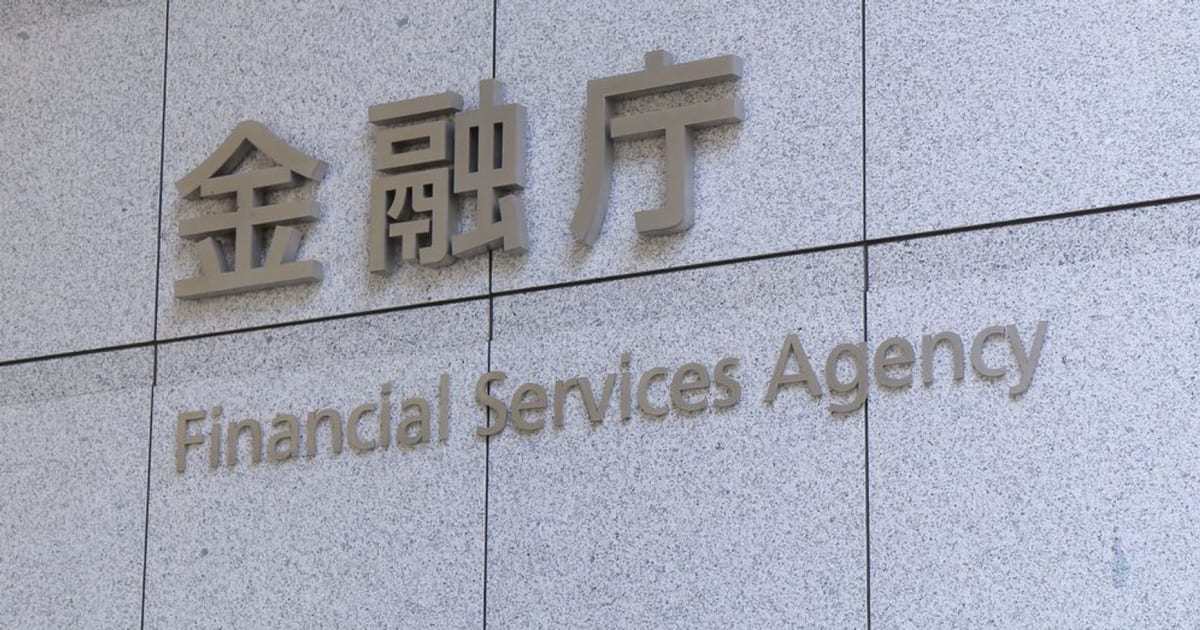
Major Japanese financial powerhouses are now embedding crypto investment trusts directly into retail brokerage platforms. This institutional shift is set to ripple across global markets, forcing Indian regulators and financial service providers to reconsider the role of digital assets in diversified portfolios. We analyze the impact on key NSE/BSE stocks and the broader shift in Indian wealth management.
The Institutionalization of Crypto: A Seismic Shift in Retail Wealth
For years, the intersection of traditional finance (TradFi) and digital assets was defined by skepticism and regulatory friction. That wall just came down in Tokyo. The decision by Japanese financial giants like SBI Securities and Rakuten Securities to offer crypto investment trusts to retail clients is not merely a regional product launch—it is a global bellwether. By bringing Bitcoin and Ethereum exposure into the same ecosystem as equities and mutual funds, Japan is setting a regulatory gold standard for the rest of Asia.
For the Indian investor, this development is critical. As the Reserve Bank of India (RBI) continues to navigate the complexities of digital currency, the Japanese model provides a blueprint for 'regulated exposure.' This shift effectively validates the asset class, moving it from a speculative fringe play to a legitimate component of a modern, diversified portfolio.
Why Does This Matter for Indian Markets Right Now?
The global financial architecture is undergoing a liquidity transition. With institutional capital flowing into US Spot Bitcoin ETFs, the Japanese move adds a second major pillar of support. In India, the sentiment is shifting from 'if' to 'how.' Domestic brokerages are currently operating in a vacuum, but as global peers capture fee-based revenue from crypto-linked products, the pressure on Indian firms to offer similar regulated conduits will become an existential imperative for growth.
How Will the Japanese Crypto Shift Impact Indian Bank Stocks?
The rise of crypto investment trusts poses a direct threat to the traditional deposit-heavy business models of Indian retail banks. If a significant portion of retail liquidity migrates from low-yield savings accounts into crypto-linked financial products, bank net interest margins (NIMs) could face structural pressure. Historically, when alternative asset classes gain traction—such as the gold ETF boom of the mid-2010s—we observed a 15-20% shift in retail allocation patterns over three years. A similar shift into digital assets would likely force banks to innovate their wealth management arms to retain AUM.
The Stock-by-Stock Breakdown: Who Wins and Who Loses?
As the landscape evolves, specific players in the NSE/BSE ecosystem are better positioned to capture this transition. We have analyzed the following entities based on their digital agility and current market positioning:
- Angel One (NSE: ANGELONE): With a strong focus on tech-savvy, younger demographics, Angel One is the most likely candidate to integrate crypto-proxies should regulation permit. Its current P/E ratio of ~22x reflects a high-growth expectation that would be bolstered by new product fee revenue.
- 5Paisa Capital (NSE: 5PAISA): As a pure-play digital discount broker, 5Paisa has the lowest overhead to pivot toward digital asset brokerage. Their platform infrastructure is built for rapid integration, making them a key beneficiary of a 'crypto-friendly' regulatory climate.
- CDSL (NSE: CDSL): The Central Depository Services Ltd is the ultimate infrastructure play. If crypto assets are brought under a regulated framework, they will require secure, centralized dematerialization—a process CDSL dominates. Their high operating margins (often exceeding 50%) would expand further with the volume of digital asset transactions.
- Motilal Oswal Financial Services (NSE: MOTILALOFS): While traditionally conservative, their wealth management division is highly sophisticated. They are the 'institutional bridge'—if high-net-worth individuals demand regulated crypto exposure, MOFSL is positioned to design the thematic funds to capture that fee income.
Expert Perspective: The Bull vs. Bear Debate
The Bull Case: Proponents argue that the Japan model proves crypto is becoming a 'digital gold.' By offering these products, brokerages capture high-margin trading fees and management fees, insulating them from the cyclicality of equity markets. The 'crypto premium' could add 5-10% to the top-line revenue of Indian fintechs within 24 months of regulatory clarity.
The Bear Case: Critics emphasize the volatility risk. If an Indian brokerage exposes retail clients to crypto-linked trusts, a market crash could trigger a regulatory backlash that wipes out the brokerage's license. Furthermore, the correlation between crypto and tech-heavy equities remains high, meaning diversification benefits may be overstated in the short term.
Actionable Investor Playbook
Investors should not view this as an immediate 'buy' signal for crypto, but rather a 'buy' signal for financial infrastructure.
- Strategic Watch: Monitor the RBI’s stance on 'Digital Asset Service Providers.' Any easing of the current tax regime (30% flat tax on virtual digital assets) would be the primary catalyst for a sector-wide re-rating.
- Positioning: Increase exposure to depository and tech-heavy brokerage stocks that possess the balance sheet strength to weather regulatory shifts.
- Time Horizon: This is a 24-to-36-month thesis. Do not expect overnight integration in India, but prepare for the 'first-mover' advantage that firms like CDSL and Angel One enjoy.
Risk Matrix: Assessing the Hurdles
| Risk Factor | Impact | Probability |
|---|---|---|
| Regulatory Divergence | High | High |
| Retail Volatility Exposure | Medium | Medium |
| Cyber-security/Custody Failure | Critical | Low |
What to Watch Next
The next major catalyst is the upcoming G20/FATF discussions on global standards for digital asset custodians. Keep an eye on the NSE circulars regarding new product approvals; if the market sees a filing for a 'Digital Asset ETF' or similar instrument, it will be the definitive sign that the Japanese institutional wave has reached Indian shores. Watch for Q3 earnings calls where management teams address 'alternative asset integration'—this will be the code word for crypto-readiness.
Disclaimer: This content is generated by WelthWest Research Desk based on publicly available reports and is for informational purposes only. It does not constitute financial advice, investment recommendations, or an offer to buy or sell securities. Always consult a qualified financial advisor before making investment decisions.


