Key Takeaway
A fragile Middle East ceasefire is significantly reducing geopolitical risk premiums, driving down crude oil prices and presenting a bullish tailwind for India's net oil importing economy. Investors should recalibrate portfolios to capitalize on this shift, focusing on sectors poised to benefit from lower energy costs.
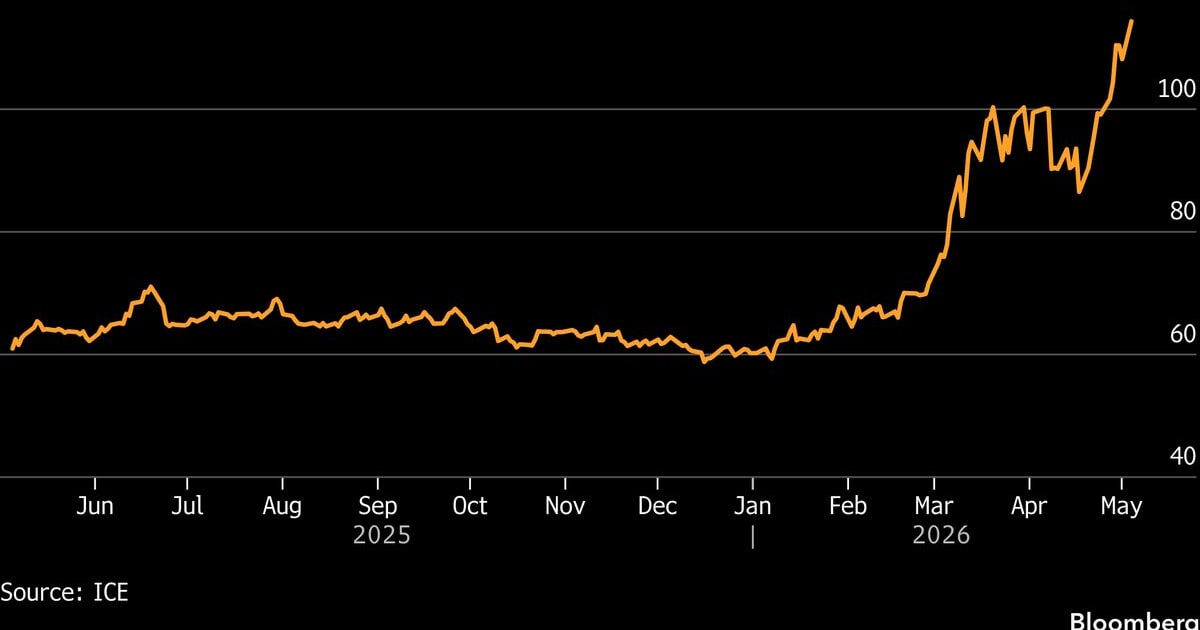
The recent de-escalation in the Middle East is a game-changer for global markets, particularly for energy-importing nations like India. This article provides an in-depth analysis of the cascading effects on crude oil, inflation, and key Indian sectors, offering actionable strategies for investors.
Middle East Ceasefire: A Bullish Catalyst for Indian Equities?
The geopolitical landscape in the Middle East, often a volatile undercurrent for global financial markets, has recently experienced a significant shift. A fragile but holding ceasefire has begun to untangle the complex web of tensions, leading to a noticeable decline in crude oil prices. This de-escalation, while still subject to the inherent risks of regional instability, is creating a palpable sense of relief across various economic sectors, particularly for net oil importing nations like India. The immediate implication is a reduction in geopolitical risk premiums, a phenomenon that has historically dictated short-term market sentiment and commodity pricing. Investors are now keenly assessing the duration and sustainability of this newfound peace and its subsequent impact on their portfolios, with a particular focus on how Indian equities might weather and even thrive in this altered environment.
Why This Middle East Truce Matters NOW for India
For India, a nation heavily reliant on imported crude oil to fuel its economic engine, any reduction in oil prices is not merely a marginal benefit; it's a fundamental shift with broad-ranging economic implications. Crude oil constitutes a substantial portion of India's import bill, and its price volatility directly influences inflation, trade deficits, and the fiscal health of the nation. Historically, periods of elevated oil prices have coincided with increased inflationary pressures, forcing the Reserve Bank of India (RBI) to adopt more hawkish monetary policies, which in turn can dampen economic growth. Conversely, a sustained decline in oil prices acts as a powerful disinflationary force, potentially freeing up household disposable income and boosting corporate profit margins, especially for energy-intensive industries. This analysis delves into the intricate connections between geopolitical stability in the Middle East and the granular performance of Indian listed companies, providing a data-driven outlook for investors navigating this evolving narrative.
Deep Dive: The Cascading Impact on Indian Stock Market Sectors
The ripple effects of a de-escalating Middle East conflict are far-reaching, and their impact on the Indian stock market is multifaceted. The most immediate and pronounced effect is observed in the energy sector, specifically the decline in crude oil prices. Brent crude, a global benchmark, has seen a significant percentage drop from its recent peaks, a trend that directly benefits India's balance of payments. A lower import bill translates into a stronger rupee, which further reduces the cost of other imported goods and services. This positive economic backdrop is generally bullish for equities, as it reduces the cost of doing business and increases consumer purchasing power.
Consider the historical context: during periods of geopolitical instability in the Middle East, particularly in 2022, Nifty 50 experienced heightened volatility, with sharp corrections often triggered by supply disruption fears. The subsequent easing of these fears, as is currently happening, has historically led to a rebound in market sentiment and a gradual recovery in stock prices. The current scenario suggests a reversal of that trend, with a focus shifting from inflation containment to potential economic stimulus driven by lower commodity costs.
How Will Lower Oil Prices Affect India's Inflation and Monetary Policy?
The correlation between crude oil prices and India's Consumer Price Index (CPI) is well-established. A substantial portion of the CPI basket is directly or indirectly influenced by energy costs, from transportation to manufacturing. A sustained decline in oil prices can significantly ease inflationary pressures, potentially allowing the RBI to maintain a more accommodative stance on interest rates or even consider rate cuts sooner than anticipated. Such a scenario would be highly beneficial for sectors sensitive to interest rates, such as real estate, automobiles, and capital goods. The current inflation trajectory, which has shown signs of moderating, could accelerate downwards with this positive oil price shock, creating a more favorable environment for economic expansion and equity market performance. The market anticipates this, and the sentiment is turning bullish, though the magnitude of the impact will depend on the longevity of the ceasefire and the extent of the oil price decline.
Winners and Losers: Sectoral Showdown in the Wake of De-escalation
The beneficiaries of this geopolitical détente are clearly defined. Oil Importing Nations, with India at the forefront, stand to gain substantially. Beyond India, the broad category of Airlines is a significant winner. Fuel costs, often the largest operating expense for airlines, are directly linked to crude oil prices. A sustained drop in jet fuel prices can dramatically improve the profitability of airlines, leading to better margins and potentially lower ticket prices for consumers, boosting demand. Similarly, Logistics Companies, heavily reliant on transportation for their operations, will see a reduction in their operating costs, enhancing their bottom lines. The Consumer Discretionary Sector also benefits as lower inflation and potentially higher disposable incomes lead to increased consumer spending on non-essential goods and services. Companies with significant energy costs in their production processes, such as manufacturing and petrochemicals, will also experience a boost in their profit margins.
Conversely, the landscape presents challenges for certain segments. Oil & Gas Producers, both domestic and international, will face pressure on their revenue and profit margins as crude oil prices fall. Companies heavily invested in exploration and production will need to adjust their strategies and cost structures. The Defence Sector might also see a recalibration of demand. While geopolitical tensions often spur increased defense spending, a prolonged period of peace or de-escalation could lead to a slowdown in new orders and a re-evaluation of strategic asset acquisition. Finally, Gold, often considered a safe-haven asset during times of geopolitical uncertainty, may see reduced demand. As risk premiums subside, investors might reallocate capital away from gold towards more growth-oriented assets, leading to a potential price correction.
Stock-by-Stock Breakdown: Who Benefits and Who Faces Headwinds
The impact of the Middle East ceasefire and subsequent oil price decline will be felt distinctly across various Indian listed companies. Investors should keenly observe these movements to position their portfolios strategically.
- IndiGo (NSE: INDIGO): As India's largest airline by market share, IndiGo is a prime beneficiary. Fuel costs typically account for 30-40% of an airline's operating expenses. A sustained drop in jet fuel prices can significantly enhance its operating margins. For instance, a 10% reduction in fuel costs could translate to a substantial increase in net profit. With a market capitalization exceeding INR 1 lakh crore and a strong operational efficiency, IndiGo is poised to capitalize on this trend. Its P/E ratio, while subject to market fluctuations, will likely become more attractive as profitability improves.
- SpiceJet (NSE: SPICEJET): Another airline that will benefit from lower fuel costs is SpiceJet. While it faces its own operational challenges, reduced fuel expenses offer a crucial lifeline and a potential pathway to improved financial health. The impact, though percentage-wise similar to IndiGo, might be more pronounced for SpiceJet given its smaller revenue base and current financial position.
- Reliance Industries (NSE: RELIANCE): While Reliance Industries is a diversified conglomerate with significant interests in refining and petrochemicals, the impact of lower crude oil prices is nuanced. Lower crude prices can reduce the cost of feedstock for its refining operations, potentially boosting refining margins. However, its upstream exploration and production (E&P) business might face headwinds. The overall impact will depend on the balance between these segments and the company's strategic hedging positions. Its massive market capitalization (over INR 1.5 lakh crore) means even marginal shifts can have significant value implications.
- Oil and Natural Gas Corporation (ONGC) (NSE: ONGC): As India's largest oil and gas exploration and production company, ONGC is directly exposed to the decline in crude oil prices. Lower global crude prices will directly impact its revenue realization and profitability. While it benefits from government-determined pricing for some of its production, the overall trend will exert downward pressure on its earnings.
- Container Corporation of India Ltd. (CONCOR) (NSE: CONCOR): CONCOR, a major player in India's logistics sector, will see its operating costs decrease due to lower diesel prices, which are closely linked to crude oil. This can lead to improved efficiency and profitability, especially given its extensive rail and road network. Its market cap and revenue figures will be positively influenced by this cost reduction.
Expert Perspectives: Bulls vs. Bears on the Mideast Truce Impact
"The current de-escalation in the Middle East is a significant, albeit potentially temporary, reprieve for the global economy. For India, it presents a much-needed opportunity to combat inflation and stimulate growth without exacerbating its trade deficit."
Bullish Argument: Bulls contend that the ceasefire, even if fragile, signals a tangible reduction in immediate geopolitical risk. This will lead to a sustained decline in oil prices, providing a significant boost to India's economy. They point to the potential for increased consumer spending, improved corporate margins, and a more favorable monetary policy environment. The current market sentiment is shifting, and sectors like aviation, logistics, and consumer discretionary are poised for a strong rally. They believe that the market has not fully priced in the positive implications of this de-escalation, offering attractive entry points for savvy investors.
Bearish Argument: Bears, while acknowledging the short-term positive impact, remain cautious. They emphasize the 'fragile' nature of the ceasefire, warning that any resurgence of conflict could quickly reverse these gains, sending oil prices and market anxieties soaring once again. Furthermore, they argue that global supply-demand dynamics for oil, independent of geopolitical events, will ultimately dictate long-term price trends. They also point to other macroeconomic headwinds, such as persistent inflation in other economies and potential global slowdowns, that could temper the positive effects of lower oil prices. For bears, this is an opportunity to profit from short-term volatility or to exit positions in sectors that might be overvalued in anticipation of a prolonged peace that may not materialize.
Actionable Investor Playbook: Navigating the Post-Truce Landscape
In light of the Middle East ceasefire and its implications, investors should consider a strategic reallocation of their portfolios. The current environment offers distinct opportunities across various sectors.
- Buy: Airlines and Logistics Companies: Given their direct benefit from lower fuel costs, stocks like IndiGo and CONCOR present compelling investment opportunities. Look for entry points during any minor market pullbacks. A target horizon of 6-12 months is recommended to capture the full impact of sustained lower energy prices.
- Monitor: Consumer Discretionary and Manufacturing: Companies in these sectors will benefit from increased consumer spending and reduced input costs. While not as direct a play as airlines, a gradual accumulation of quality names with strong balance sheets is advisable.
- Consider Reducing Exposure: Oil & Gas Producers and Defence Companies: While these sectors might offer value at certain price points, the immediate outlook suggests headwinds. Investors should consider trimming positions or maintaining a cautious stance, awaiting clearer signals of price stabilization or a shift in global defense spending priorities.
- Watch: Gold and Related ETFs: As a safe-haven asset, gold might experience downward pressure. Investors who hold gold for diversification should monitor its price action closely and consider hedging strategies or reducing exposure if geopolitical risks continue to subside.
The key is to focus on companies with robust fundamentals that are likely to benefit from a sustained period of lower energy prices and reduced inflation. The time horizon for these investments should be medium-term (6-18 months) to allow the economic benefits to fully materialize.
Risk Matrix: Potential Pitfalls in the Path to Peace
Despite the current positive sentiment, several risks could derail the anticipated market benefits:
- Resurgence of Conflict (Probability: Medium-High): The 'fragile' nature of the ceasefire is the most significant risk. Any renewed hostilities in the Middle East could instantaneously reverse the decline in oil prices and trigger a sharp market sell-off.
- Sustained Global Demand Weakness (Probability: Medium): Even with lower oil prices, a significant slowdown in global economic growth could dampen demand for oil and other commodities, limiting the positive impact on India's economy.
- Inflationary Pressures Elsewhere (Probability: Medium): While India might benefit from lower oil-driven inflation, persistent high inflation in major economies could still necessitate tighter global monetary policy, indirectly impacting Indian markets.
- OPEC+ Production Decisions (Probability: Low-Medium): While de-escalation might reduce the immediate need for aggressive production cuts, OPEC+ decisions on supply management can still influence oil prices regardless of geopolitical events.
What to Watch Next: Catalysts on the Horizon
Investors should closely monitor several upcoming events and data releases that will shape the narrative around the Middle East ceasefire and its market impact:
- Continued Ceasefire Adherence: Daily news flow regarding the stability of the truce will be paramount. Any reports of violations or escalating rhetoric will be a red flag.
- Crude Oil Price Movements: Continued stability or further decline in Brent and WTI crude prices will validate the current market optimism.
- Indian Inflation Data (CPI and WPI): Upcoming inflation prints will reveal the extent to which lower oil prices are translating into reduced price pressures for consumers and businesses.
- RBI Monetary Policy Committee Meetings: Any shift in the RBI's stance on interest rates, particularly any indication of a potential rate cut, will be a significant market mover.
- Corporate Earnings Season (Upcoming): The next earnings season will provide real-time data on how companies are actually benefiting from lower input costs and improved demand.
By staying informed about these catalysts, investors can better navigate the evolving market dynamics and capitalize on the opportunities presented by this significant geopolitical shift.
Disclaimer: This content is generated by WelthWest Research Desk based on publicly available reports and is for informational purposes only. It does not constitute financial advice, investment recommendations, or an offer to buy or sell securities. Always consult a qualified financial advisor before making investment decisions.


