Key Takeaway
A sustained closure of the Strait of Hormuz acts as a 'macroeconomic tax' on India, forcing a shift from high-growth consumption plays to defensive energy and defense assets. Investors must brace for a narrowing of corporate margins across sectors sensitive to crude volatility.

Geopolitical escalation in the Strait of Hormuz has triggered a global energy supply panic, threatening India’s import-heavy economy. We analyze the resulting inflationary pressures, the inevitable strain on the Rupee, and the specific winners and losers across the Nifty 50 landscape.
The Geopolitical Chokepoint: Why Hormuz Matters for India
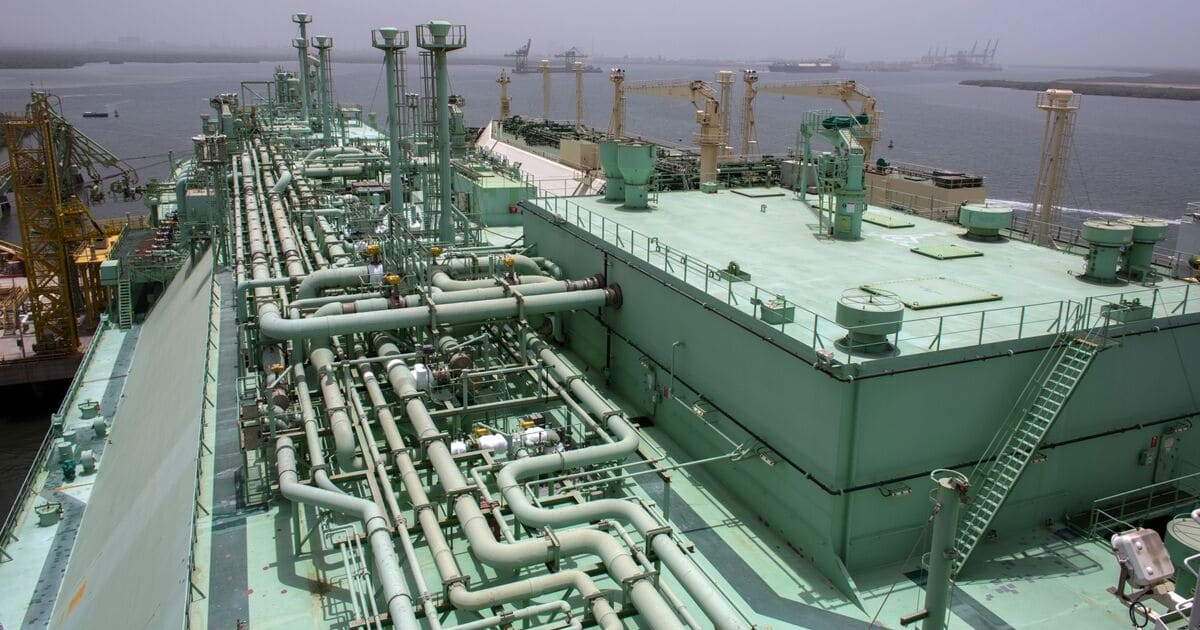
The Strait of Hormuz is not merely a geographic corridor; it is the jugular vein of the global energy market. With over 20% of the world’s petroleum liquids passing through this narrow passage daily, any disruption is immediately felt in the balance sheets of emerging economies. For India, which imports more than 80% of its crude oil requirements, this is not just a geopolitical headline—it is a fiscal emergency.
When supply chains tighten, the immediate effect is a surge in the Brent crude spot price. Because India’s energy import bill is denominated in USD, a simultaneous rise in oil prices and a depreciating Indian Rupee creates a 'double-whammy' effect on the Current Account Deficit (CAD). Historically, during the 2022 energy crisis, we observed a direct correlation between rising oil prices and a 4-6% correction in the Nifty 50 over a 90-day window as FIIs (Foreign Institutional Investors) rotated out of emerging markets into safer, dollar-denominated assets.
How will the RBI handle the resulting inflationary pressure?
The Reserve Bank of India (RBI) faces an impossible trilemma: support growth, defend the Rupee, or contain inflation. A sustained spike in crude oil prices acts as a massive supply-side inflationary shock. If oil remains elevated above the $90/bbl mark, the RBI will be forced to maintain a hawkish stance on interest rates, delaying any pivot toward monetary easing. For investors, this means the 'cost of capital' will remain high, disproportionately affecting highly leveraged sectors like real estate and non-banking financial companies (NBFCs).
Sector-Level Analysis: Winners and Losers
In this high-volatility environment, the market bifurcates into those who possess pricing power and those who are victims of input cost inflation.
The Winners: Upstream and Defense
- ONGC (NSE: ONGC) & OIL (NSE: OIL): As upstream producers, these companies benefit directly from higher oil realization prices. Their margins expand as global benchmarks rise, provided the government does not impose a windfall tax that eats into these gains.
- Reliance Industries (NSE: RELIANCE): While RIL is an integrated play, its refining segment often captures 'inventory gains' during price spikes, acting as a natural hedge against its retail and telecom divisions.
- Defence Sector: Escalating geopolitical tensions historically drive increased government spending on national security, providing a long-term tailwind for companies like HAL and Bharat Electronics.
The Losers: OMCs and Consumption-Heavy Sectors
- OMCs (IOCL, BPCL, HPCL): These companies are often forced to absorb price hikes to protect the consumer, leading to significant margin compression. When oil spikes, their marketing margins often turn negative.
- Aviation (InterGlobe Aviation/IndiGo): Aviation Turbine Fuel (ATF) accounts for nearly 40% of an airline's operating cost. A sustained price spike is catastrophic for bottom-line profitability.
- Paint & Tyre (Asian Paints, MRF): These sectors are highly dependent on crude derivatives. Without the ability to pass on 100% of the cost to the consumer, EBITDA margins face severe contraction.
Stock-by-Stock Breakdown: The Portfolio Impact
1. ONGC (Market Cap: ~₹4.2 Trillion, P/E: 8.5x): As an upstream player, ONGC is the primary beneficiary. Its cash flow generation improves significantly when crude crosses the $80 threshold. Investors should monitor the 'net realization' post-windfall taxes.
2. InterGlobe Aviation (IndiGo) (Market Cap: ~₹1.6 Trillion): The stock is a high-beta play on crude. Every 10% move in Brent typically results in a 15-20% swing in forward earnings projections. We maintain a cautious outlook here until the supply chain stabilizes.
3. Indian Oil Corporation (IOCL) (Market Cap: ~₹2.4 Trillion): As an OMC, IOCL is the first line of defense against inflation. Their stock price is currently pricing in a 'subsidy risk' scenario where the government may intervene to cap fuel prices at the pump.
4. Asian Paints (Market Cap: ~₹3.1 Trillion, P/E: 55x): Despite its premium valuation, Asian Paints is vulnerable to raw material cost inflation. With crude-linked inputs accounting for a significant portion of their COGS (Cost of Goods Sold), we expect margin headwinds in the coming two quarters.
Expert Perspective: Bull vs. Bear
The Bull Case: Proponents argue that India’s strategic petroleum reserves and diversified import sources (including discounted Urals) provide a buffer that didn't exist a decade ago. They suggest that corrections in OMCs and Aviation are 'buying opportunities' for long-term investors expecting a swift geopolitical resolution.
The Bear Case: Bears focus on the 'sticky' nature of inflation. If the Strait remains closed for more than 30 days, the impact on India’s CAD will be structural, not transitory. This would likely trigger a sustained sell-off by FIIs who are sensitive to currency volatility, potentially dragging the Nifty below its 200-day moving average.
Actionable Investor Playbook
- Reduce Beta: Trim exposure to high-consumption stocks (Automobiles, Paints) that lack pricing power.
- Increase Defensive Allocations: Rotate capital into upstream energy producers and companies with low debt-to-equity ratios.
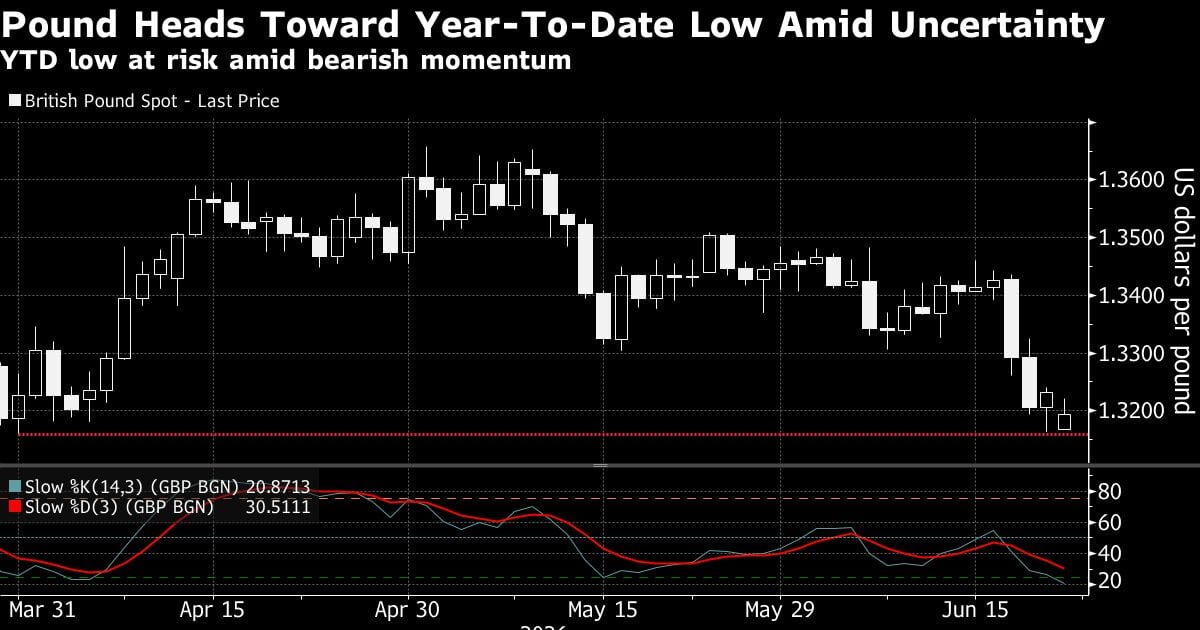
- Monitor the Rupee: Watch the USD/INR pair closely. A breach of 84.50 could signal a broader market capitulation.
- Time Horizon: This is not a trade for the faint-hearted. Adopt a 6-12 month horizon, focusing on companies that can maintain margins despite input cost shocks.
Risk Matrix
| Risk Factor | Probability | Impact |
|---|---|---|
| Sustained Strait Closure (>30 days) | Moderate | High |
| Government Windfall Tax Hike | High | Moderate |
| INR Depreciation below 85.00 | Moderate | High |
What to Watch Next
Investors must keep a close eye on the OPEC+ production meeting minutes and the RBI MPC (Monetary Policy Committee) meeting outcomes. Any deviation from the 'withdrawal of accommodation' stance will be the primary catalyst for the next leg of market volatility. Additionally, track the US Dollar Index (DXY); a rising DXY alongside high oil prices is the 'perfect storm' for Indian equities.
Disclaimer: This content is generated by WelthWest Research Desk based on publicly available reports and is for informational purposes only. It does not constitute financial advice, investment recommendations, or an offer to buy or sell securities. Always consult a qualified financial advisor before making investment decisions.