Key Takeaway
The Hormuz bottleneck is a structural threat to India's fiscal math. Investors should pivot toward upstream energy producers while hedging against margin compression in aviation and manufacturing.
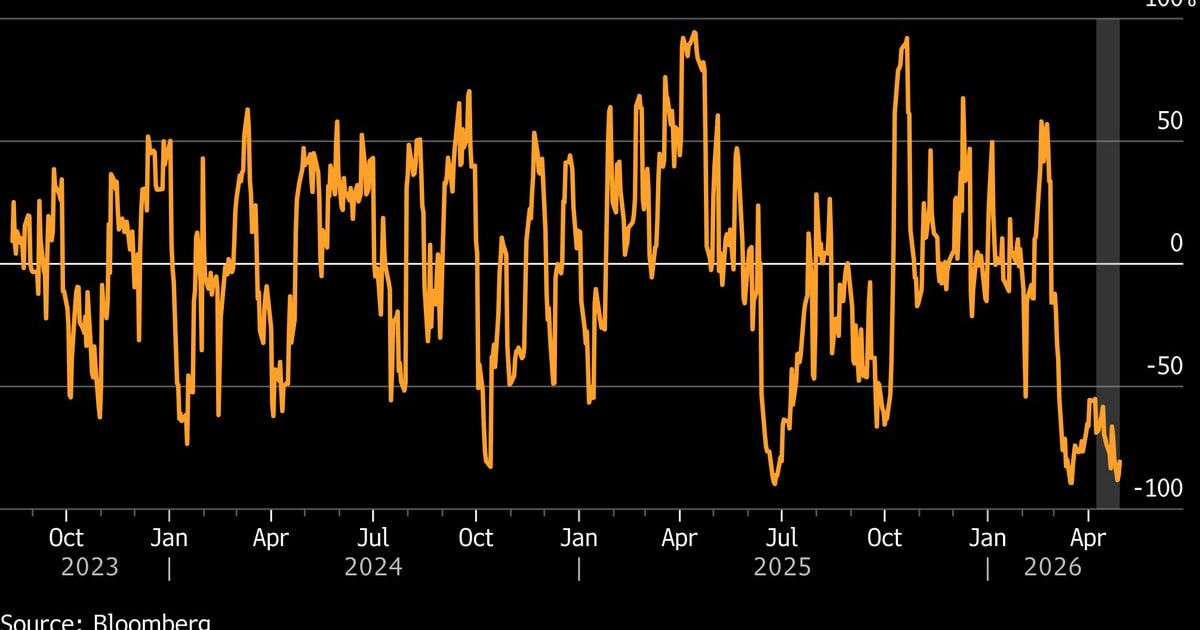
As geopolitical tensions flare in the Strait of Hormuz, the resulting crude oil spike is set to reshape the Indian equity landscape. This report breaks down the winners and losers, providing a strategic blueprint for navigating the inevitable volatility in Nifty and sector-specific stocks.
The Hormuz Chokepoint: Why Global Markets are Trembling
The Strait of Hormuz is not merely a geographic coordinate; it is the jugular vein of the global economy. With over 20 million barrels of oil—roughly 20% of global daily consumption—transiting through this narrow passage, any localized escalation immediately translates into a global risk-off event. For India, a nation that imports over 85% of its crude requirements, the mathematics of the Strait of Hormuz is a direct proxy for fiscal stability, inflation, and corporate profitability.
When the Strait faces disruption, the 'risk premium' on Brent crude surges instantly. For the Indian markets, this creates a triple-threat: a widening Current Account Deficit (CAD), a weakening Rupee (INR), and an inevitable bout of imported inflation. History provides a stark warning; during the 2022 energy shocks, the Nifty 50 experienced a drawdown of nearly 12% over three months as FIIs rotated aggressively into safe-haven assets.
How Does the Strait of Hormuz Crisis Affect Indian Stocks?
The transmission mechanism is swift. Higher crude prices act as an excise tax on the Indian consumer and a margin-killer for corporate India. When oil prices breach the $90/bbl threshold, the RBI’s ability to remain accommodative evaporates. A hawkish RBI, coupled with rising input costs, creates a toxic environment for discretionary consumption stocks.
Sectoral Winners and Losers
- Winners: Upstream energy players (ONGC, OIL) benefit from higher realisations per barrel. Gold/Precious Metals serve as a hedge against currency volatility. Defence stocks (HAL, BEL) gain traction as geopolitical instability boosts government spending.
- Losers: Aviation (IndiGo) faces direct margin erosion due to ATF costs. OMCs (HPCL, BPCL) see under-recoveries if they are unable to pass costs to the end-user. Paint manufacturers (Asian Paints) are hit by the petro-chemical derivatives cost surge.
Stock-by-Stock Breakdown: Navigating the Volatility
1. ONGC (ONGC:NSE) & OIL (OIL:NSE)
As upstream explorers, these companies are the primary beneficiaries of a crude price floor. With a P/E ratio significantly lower than the broader market average, these stocks offer a defensive play. Every $10 rise in Brent crude adds approximately ₹4,000–5,000 crore to their annual bottom line, assuming the windfall tax remains static.
2. Reliance Industries (RELIANCE:NSE)
A dual-edged sword. While the O2C (Oil-to-Chemicals) segment thrives on refining margins, the retail and telecom segments are sensitive to macro-consumption slumps. With a massive market cap exceeding ₹19 lakh crore, RIL acts as the Nifty’s stabilizer; however, look for margin pressure in its refining segment if crude volatility disrupts supply chains.
3. InterGlobe Aviation (INDIGO:NSE)
The most vulnerable player. Aviation Turbine Fuel (ATF) accounts for 40% of their operational expenditure. Historically, a 10% rise in ATF prices causes a 300-500 basis point contraction in EBITDA margins. Investors should remain cautious until hedging strategies are confirmed.
4. HPCL (HPCL:NSE) & BPCL (BPCL:NSE)
These OMCs act as the shock absorbers for the Indian government. During periods of high volatility, they often defer price hikes to keep inflation in check, leading to massive inventory losses and margin compression. Watch their 'marketing margins' closely in the upcoming quarterly results.
5. Asian Paints (ASIANPAINT:NSE)
Paint manufacturing is highly dependent on crude-based derivatives (solvents, binders). With crude prices surging, raw material inflation is inevitable. Given their premium valuation (P/E ~55x), any earnings miss due to margin pressure could lead to a significant valuation re-rating.
The Expert Perspective: Bull vs. Bear
The Bull Case: Proponents argue that India’s domestic demand remains resilient and that the government’s shift toward green energy and strategic reserves will insulate the economy from short-term supply shocks. They view market dips as 'generational buying opportunities' in high-quality compounders.
The Bear Case: Skeptics point to the 'twin deficit' risk. If crude remains elevated for more than two quarters, the RBI will be forced to maintain high interest rates, effectively killing the private CAPEX cycle. This would lead to a sustained FII exodus, pushing the Nifty toward its 200-day moving average.
Actionable Investor Playbook
- Defensive Rotation: Trim exposure to high-beta consumption stocks. Increase allocation to energy-neutral sectors like IT or defensive FMCG.
- The Gold Hedge: Maintain a 5-10% portfolio allocation in Gold ETFs (e.g., GOLDBEES) as a hedge against the inevitable Rupee depreciation.
- Watch the Spread: Monitor the Brent-WTI spread and the 10-year G-Sec yields. If yields cross 7.5%, it is time to move to cash.
Risk Matrix
| Risk Factor | Probability | Impact |
|---|---|---|
| Sustained $100+ Oil | Moderate (40%) | High (Inflation spike) |
| Rupee breach of 85/USD | High (65%) | Medium (FII outflows) |
| Global Recession Trigger | Low (20%) | Critical (Market crash) |
What to Watch Next
Keep a close eye on the upcoming RBI Monetary Policy Committee (MPC) meeting minutes. The central bank's commentary on 'imported inflation' will be the most critical catalyst for the next 90 days. Additionally, track the weekly EIA crude inventory data from the US; a sustained draw in reserves during a crisis period usually precedes a massive price breakout.
Disclaimer: This content is generated by WelthWest Research Desk based on publicly available reports and is for informational purposes only. It does not constitute financial advice, investment recommendations, or an offer to buy or sell securities. Always consult a qualified financial advisor before making investment decisions.


