Key Takeaway
The escalation in the Strait of Hormuz threatens a 'supply-side shock' that could push Brent crude toward $100, favoring upstream producers like ONGC while severely eroding margins for India's consumption-heavy sectors like Paints and Aviation.
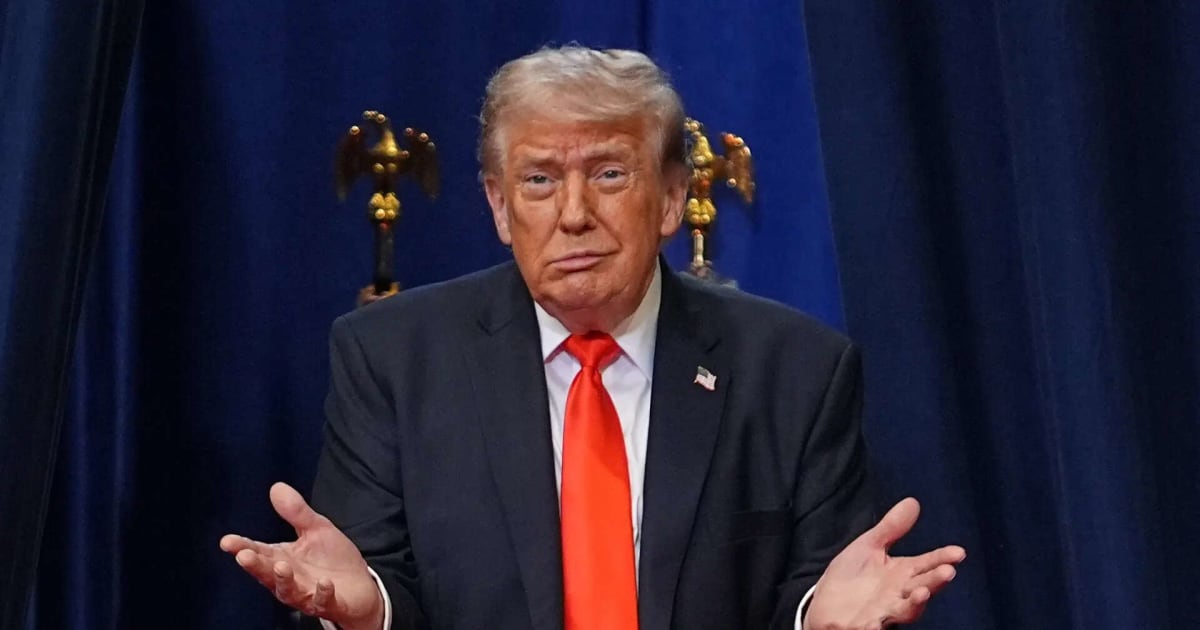
As the US launches 'Project Freedom' to escort vessels through the world's most vital oil chokepoint, the risk of a military miscalculation is at a decade-high. This deep dive explores the systemic risks to the Indian economy, identifying the specific NSE/BSE stocks that will thrive in a high-oil environment and those that face a significant valuation de-rating.
The Geopolitical Powderkeg: Why the Strait of Hormuz Controls Nifty’s Pulse
The Strait of Hormuz is not merely a geographic waterway; it is the jugular vein of the global energy market. Measuring only 21 miles wide at its narrowest point, this chokepoint facilitates the passage of approximately 21 million barrels of oil per day—roughly 21% of global petroleum liquids consumption. When the United States announces 'Project Freedom,' a military initiative designed to escort commercial vessels and counter Iranian influence, the market doesn't just listen; it recalibrates for volatility.
For India, the stakes are uniquely high. India imports over 85% of its crude oil requirements and nearly 50% of its natural gas. Historically, every $10 increase in the price of a barrel of Brent crude expands India’s Current Account Deficit (CAD) by approximately 0.5% of GDP and adds 30-40 basis points to headline inflation. As US-Iran tensions escalate, the 'Hormuz Risk Premium'—a price markup based on the probability of supply disruption—could easily tack on $15 to $20 to the current price of Brent, pushing it toward the dreaded $100 mark.
"In the world of energy geopolitics, the Strait of Hormuz is the ultimate 'single point of failure.' For the Indian equity market, a blockade or a skirmish here is a direct tax on corporate earnings and consumer discretionary spending."
How will oil price hikes affect the Indian Rupee and FII flows?
The immediate casualty of rising tensions in the Middle East is the Indian Rupee (INR). As oil prices surge, the demand for US Dollars by oil marketing companies (OMCs) increases, putting downward pressure on the Rupee. A weakening Rupee, combined with rising domestic inflation, often triggers aggressive selling by Foreign Institutional Investors (FIIs). During the 2022 Russia-Ukraine energy spike, FIIs pulled out over ₹1.2 lakh crore from Indian equities in a single quarter. We are currently seeing a similar setup where a 'risk-off' sentiment could lead to a flight toward safe-haven assets like Gold and US Treasuries, leaving the Nifty 50 vulnerable to a 5-7% technical correction from its peaks.
Deep Market Impact Analysis: Connecting Geopolitics to the P&L
The impact of the US-Iran escalation is not uniform across the Indian market. It creates a stark divide between 'commodity gainers' and 'margin losers.' When crude prices rise, the input costs for a vast swathe of the Indian manufacturing sector skyrocket. From the plastic packaging used in FMCG products to the aromatic chemicals used in pharmaceuticals, crude derivatives are everywhere.
The Upstream Advantage vs. The Downstream Dilemma
In the energy sector, there is a fundamental divergence. Upstream companies (those that explore and produce oil) benefit from higher realization prices per barrel. Conversely, Downstream companies (those that refine and sell oil) face a 'marketing margin' squeeze. If the Indian government prevents OMCs from raising petrol and diesel prices at the pump to curb inflation, companies like IOCL and BPCL will see their profitability evaporate overnight, despite potentially high Gross Refining Margins (GRMs).
Sectoral Contagion: Paints, Chemicals, and Aviation
The Paint industry is perhaps the most sensitive to crude volatility. Roughly 40-50% of the raw material costs for paint companies are crude-linked derivatives. Similarly, in the Aviation sector, Aviation Turbine Fuel (ATF) accounts for nearly 40% of the total operating expenses. A 20% spike in ATF prices can turn a profitable airline into a loss-making entity within a single quarter, as seen during previous spikes in 2018 and 2022.
Stock-by-Stock Breakdown: Winners and Losers in the 'Project Freedom' Era
1. Oil & Natural Gas Corporation (NSE: ONGC) - The Natural Hedge
Impact: Positive. As an upstream giant with a market capitalization exceeding ₹3.5 lakh crore, ONGC is the primary beneficiary of rising Brent prices. For every $1 increase in realized oil prices, ONGC’s EBITDA typically increases by approximately 3-5%. With a trailing P/E ratio of around 7.5x, ONGC remains attractively valued compared to its global peers like ExxonMobil or Shell. Peer to watch: Oil India Ltd (OIL).
2. Asian Paints (NSE: ASIANPAINT) - The Margin Squeeze
Impact: Negative. Asian Paints, the leader in the Indian decorative paint segment, operates on premium valuations (P/E ~55x). High crude prices lead to a spike in the cost of monomers and titanium dioxide. Historically, Asian Paints has the pricing power to pass on costs, but there is always a lag of 1-2 quarters, leading to short-term margin contraction and potential stock price de-rating. Peer to watch: Berger Paints.
3. InterGlobe Aviation (NSE: INDIGO) - The ATF Trap
Impact: Strongly Negative. Indigo dominates the Indian skies with a ~60% market share. However, its bottom line is a slave to oil prices. While passenger load factors remain high, the inability to fully pass on ATF hikes via fuel surcharges in a competitive market will hurt its stock price. During the last major oil spike, Indigo's stock saw a 15% drawdown within three weeks. Peer to watch: SpiceJet.
4. Hindustan Aeronautics Ltd (NSE: HAL) - The Defense Play
Impact: Positive. Geopolitical instability in the Middle East reinforces the 'Atmanirbhar Bharat' (Self-Reliant India) narrative in defense. As a primary supplier of fighter jets and helicopters to the Indian Armed Forces, HAL benefits from increased defense budget allocations and the urgency to modernize the fleet. HAL’s order book currently stands at a record high of over ₹80,000 crore. Peer to watch: Bharat Electronics Ltd (BEL).
5. Bharat Petroleum Corporation Ltd (NSE: BPCL) - The Policy Victim
Impact: Bearish. While BPCL’s refineries might enjoy better margins initially, the marketing side of the business is a risk. If the government mandates a freeze on retail prices to control inflation ahead of state elections, BPCL’s marketing margins could turn negative. Currently trading at a P/E of ~10x, the stock faces significant 'policy risk.' Peer to watch: HPCL, IOCL.
Expert Perspective: The Bull vs. Bear Argument
The Bear Case: Analysts at global firms argue that a sustained blockade of the Strait of Hormuz would trigger a global recession. For India, this means a double whammy: high inflation and slowing exports. They suggest that the current Nifty valuations do not price in a $100+ oil scenario, making a 10-12% correction inevitable if military action commences.
The Bull Case: Contrarians argue that India’s macro-stability is far better today than in 2013 or 2018. With foreign exchange reserves exceeding $640 billion, the RBI has the ammunition to defend the Rupee. Furthermore, India’s increasing shift toward Russian Ural crude—often traded at a discount to Brent—provides a partial cushion against Middle Eastern supply shocks.
Actionable Investor Playbook: Navigating the Volatility
- Short-term Strategy (0-3 months): Increase allocation to 'Gold' as a geopolitical hedge. Reduce exposure to high-beta sectors like Automobiles and Paints. Look at 'Defensive' sectors like IT and Pharma which benefit from a weaker Rupee.
- Medium-term Strategy (6-12 months): Accumulate upstream energy stocks (ONGC, OIL) on dips. Monitor the 'Discount on Russian Crude'—if this widens, OMCs might become a 'buy' again.
- Watch the Technicals: A decisive break of Brent crude above $92/barrel should be treated as a signal to move to a 30% cash position.
Risk Matrix: Assessing the Fallout
- Scenario 1: Limited Skirmishes (Probability: 60%). Result: Oil stays between $85-$95. Impact: Moderate volatility in Nifty; OMCs underperform; Defense stocks steady.
- Scenario 2: Full Blockage of Hormuz (Probability: 15%). Result: Oil spikes to $130+. Impact: Global energy crisis; Nifty crashes 15-20%; FII exodus.
- Scenario 3: Diplomatic De-escalation (Probability: 25%). Result: Oil drops to $75. Impact: Relief rally in Paints, Autos, and Aviation; Nifty hits new highs.
What to Watch Next: The Catalysts
Investors should keep a close eye on the following triggers over the next 30 days:
- OPEC+ Monthly Meeting: Any decision to increase production would dampen the 'Hormuz Premium.'
- US Presidential Rhetoric: Further escalatory comments regarding 'Project Freedom' will act as a sentiment dampener.
- India's CPI Data: If inflation crosses the 6% upper tolerance band of the RBI due to fuel costs, expect a hawkish turn in monetary policy.
- Weekly Crude Inventory Reports: Unexpected draws in US stockpiles will exacerbate the upward price pressure.
Disclaimer: This content is generated by WelthWest Research Desk based on publicly available reports and is for informational purposes only. It does not constitute financial advice, investment recommendations, or an offer to buy or sell securities. Always consult a qualified financial advisor before making investment decisions.


