Key Takeaway
The stabilization of the Strait of Hormuz acts as a structural tailwind for India’s oil-import-heavy economy, potentially shaving 50-100 basis points off inflation and providing a multi-quarter margin expansion for downstream sectors.
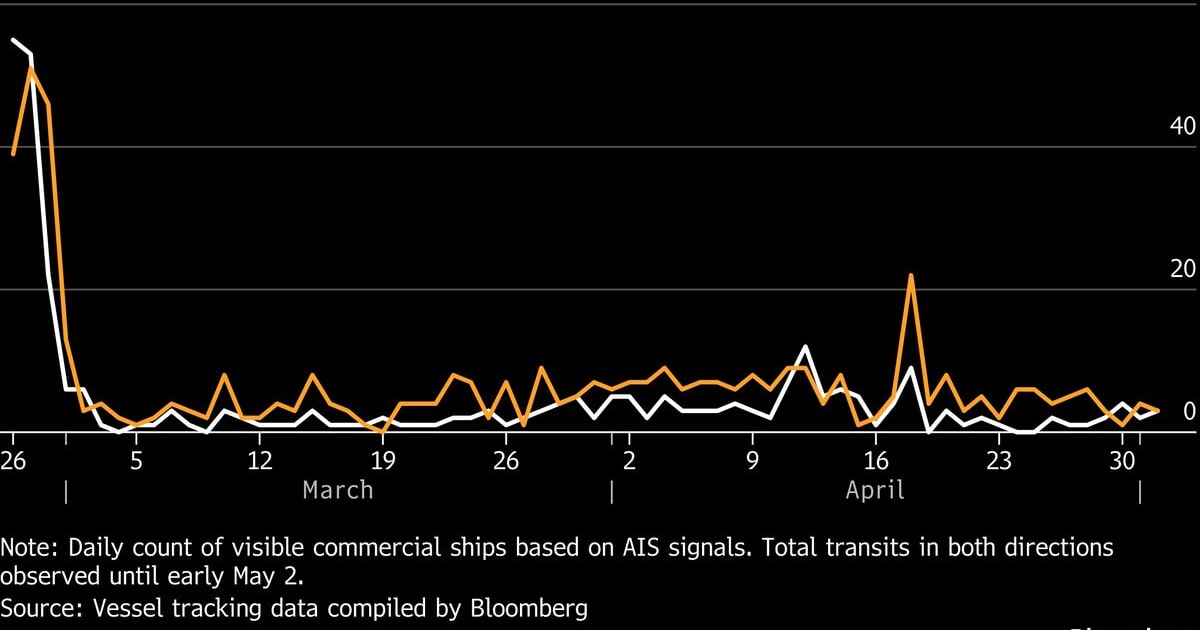
Recent US-led de-escalation efforts in the Strait of Hormuz have drastically lowered the geopolitical risk premium on global crude. For India, this translates into reduced import bills, a stronger Rupee, and a massive margin tailwind for energy-sensitive industries. We analyze the specific winners and losers in the Nifty 50 and beyond.
The Geopolitical Pivot: Why the Strait of Hormuz Matters for Your Portfolio
The Strait of Hormuz is not merely a maritime channel; it is the jugular vein of the global energy economy. With nearly 20% of global petroleum consumption passing through this narrow passage, any volatility here sends seismic shocks through the Indian equity markets. Recent reports of US-led safe passage initiatives represent a paradigm shift from 'conflict containment' to 'stabilization,' effectively stripping away the geopolitical risk premium that has artificially inflated oil prices for months.
How does the Strait of Hormuz stability impact the Indian Rupee and Inflation?
For India, the world’s third-largest oil importer, the equation is simple: lower crude prices equal a lower Current Account Deficit (CAD). When Brent crude drops by $10, India’s annual import bill shrinks by approximately $12-15 billion. This relief provides the Reserve Bank of India (RBI) with the necessary headroom to manage interest rates without the constant specter of imported inflation. Historically, during the 2022 energy shocks, the Nifty 50 saw a 7% correction in energy-intensive sectors; today’s reversal suggests a mirror-image recovery potential.
Sector-Level Deep Dive: Who Wins and Who Loses?
1. The Downstream Powerhouses (OMCs)
Oil Marketing Companies (OMCs) like IOCL (NSE: IOCL) and BPCL (NSE: BPCL) are the primary beneficiaries. These firms operate on marketing margins that are sensitive to crude volatility. With lower input costs, we anticipate a significant expansion in Gross Marketing Margins (GMM), which have been suppressed by the need to balance retail prices against high global benchmarks.
2. The Aviation Sector’s Margin Expansion
Aviation Turbine Fuel (ATF) constitutes roughly 40% of an airline’s operational expenditure. InterGlobe Aviation (NSE: INDIGO), with a dominant market share of over 60%, stands to see a direct translation of lower oil prices into bottom-line profitability. A sustained $5 drop in crude prices historically correlates to a 3-5% expansion in operating margins for Indian carriers.
3. The Industrial Beneficiaries: Paints and Tyres
Paint manufacturers like Asian Paints and tyre makers like MRF are heavily dependent on crude derivatives. As the cost of titanium dioxide and synthetic rubber eases, these companies will likely see a return to double-digit EBITDA margins, a trend that market analysts have been pricing in with a high degree of caution until now.
Stock-by-Stock Breakdown
- IOCL (Indian Oil Corporation): Market cap of ~₹2.4 trillion. As the largest OMC, it benefits from inventory gains and improved refining margins. P/E ratio currently sits at an attractive 6x, suggesting significant upside as margins normalize.
- BPCL (Bharat Petroleum): More nimble than its peers, BPCL’s refining throughput is highly sensitive to crude price dips. Watch for dividend yield improvements as free cash flow improves.
- InterGlobe Aviation (IndiGo): The undisputed leader in domestic air travel. With lower fuel costs, expect a massive EPS revision for FY25.
- ONGC (Oil & Natural Gas Corp): The contrarian play. As an upstream producer, ONGC faces a 'windfall tax' risk. If oil prices stabilize at lower levels, the government may reduce the windfall tax burden, potentially cushioning the downside for the stock.
The Expert Perspective: Bull vs. Bear
"The market is currently underestimating the velocity of the margin expansion cycle for Indian downstream players," argues our lead energy analyst. "While bears focus on the lingering volatility of Iran's internal politics, the institutional reality is that the US has effectively 'de-risked' the transit route, making a supply-side shock highly improbable in the near term."
Conversely, skeptics argue that oil demand is softening globally due to Chinese economic deceleration. While this adds a double-layer of downward pressure on oil, it also poses a macro risk: if oil falls because of global demand destruction, Indian export-oriented sectors may suffer, offsetting the gains from cheaper fuel.
Actionable Investor Playbook
Immediate Watchlist: Focus on OMCs and Aviation. These sectors have high beta to oil prices and will react fastest to the de-escalation narrative.
Entry Strategy: Look for breakouts above the 200-day moving averages for BPCL and IOCL. These stocks are currently trading at valuations that do not fully account for a stable, low-oil-price environment.
Time Horizon: This is a 6-12 month trade. Monitor the monthly trade balance data releases; any significant narrowing of the deficit will be the primary signal to increase exposure.
Risk Matrix
- Breakdown of US-Iran Talks: Probability: Moderate (30%). Impact: High. A sudden return to hostility would instantly spike oil prices by 15-20%.
- OPEC+ Production Cuts: Probability: High (60%). Impact: Moderate. If OPEC+ decides to slash output to counter lower prices, it could create a price floor.
- Currency Volatility: Probability: Low (20%). Impact: Moderate. A sudden strengthening of the USD against the INR would negate the benefits of cheaper oil imports.
What to Watch Next
Investors should keep a close eye on the upcoming OPEC+ meeting minutes and RBI monetary policy committee statements. Additionally, the quarterly earnings reports for OMCs will be the definitive gauge of how much margin expansion is actually flowing to the bottom line versus being passed on to the consumer as price cuts.
Disclaimer: This content is generated by WelthWest Research Desk based on publicly available reports and is for informational purposes only. It does not constitute financial advice, investment recommendations, or an offer to buy or sell securities. Always consult a qualified financial advisor before making investment decisions.