Key Takeaway
The normalization of Hormuz tanker traffic triggers a structural reduction in the geopolitical risk premium, providing a tailwind for India’s CAD and inflation, while shifting capital from upstream producers to downstream margin-expanders.
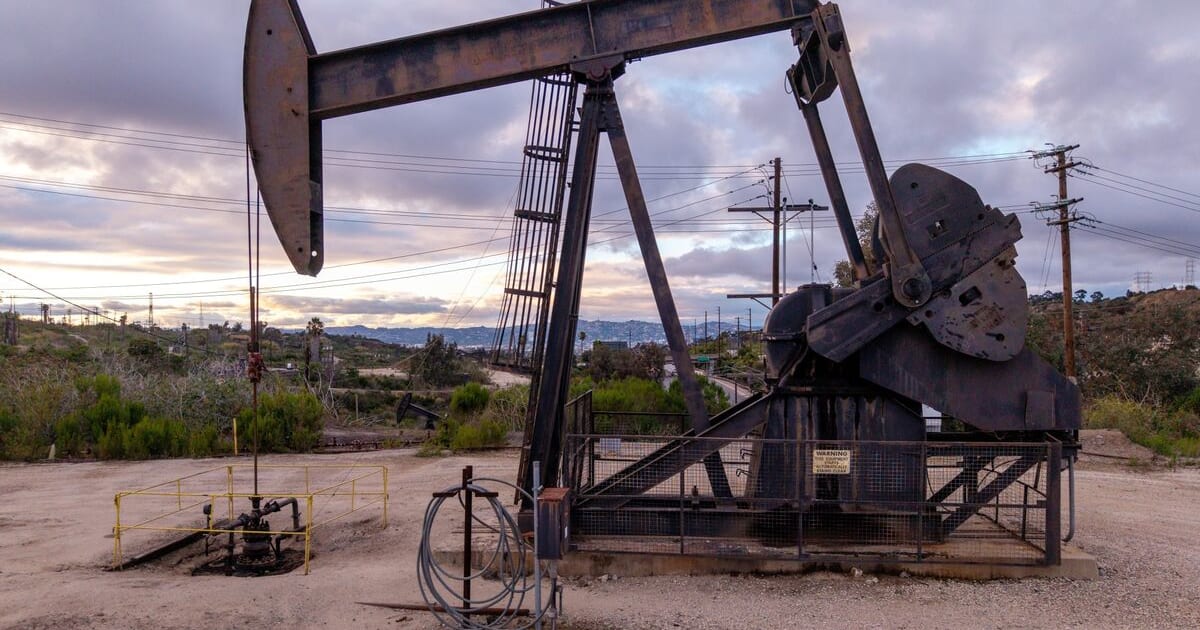
As geopolitical tensions in the Strait of Hormuz subside, global crude benchmarks are retreating, offering a significant boost to India's macroeconomic stability. This shift creates a clear divergence in market performance: downstream consumers stand to gain from margin expansion, while upstream producers face immediate headwinds.
The Strait of Hormuz Normalization: A Macroeconomic Pivot
For months, the global energy market has been held hostage by a 'geopolitical risk premium'—a phantom cost embedded in every barrel of crude oil flowing through the Strait of Hormuz. With recent diplomatic de-escalation, the free flow of tankers has resumed, effectively dismantling this premium. For India, which imports over 85% of its crude requirements, this is not merely a headline; it is a fundamental shift in the nation’s balance of payments.
Historically, every $10 decline in the price of the Indian Basket of crude oil improves the Current Account Deficit (CAD) by approximately 0.4% of GDP. As the risk of supply disruption vanishes, we are witnessing a transition from an inflationary energy environment to a disinflationary one, creating a rare window for the Reserve Bank of India (RBI) to pivot its monetary policy stance.
How Will Lower Oil Prices Affect RBI Rate Decisions?
The correlation between crude oil prices and the RBI's repo rate is inverse and profound. When oil prices spike, domestic inflation (CPI) trends upward, forcing the central bank to maintain a hawkish stance. With the de-escalation in the Strait of Hormuz, we anticipate a softening in core inflation metrics. If crude remains suppressed, the probability of a rate pause—or a potential pivot toward a cut in the next two quarters—rises significantly. This scenario is particularly bullish for high-beta sectors like banking and real estate, which have been suppressed by the 'higher-for-longer' interest rate narrative.
Sectoral Winners and Losers: A Deep-Dive Analysis
The Downstream Bonanza: OMCs and Margin Expansion
Oil Marketing Companies (OMCs) like IOCL (NSE: IOCL) and BPCL (NSE: BPCL) are the primary beneficiaries. During periods of high geopolitical tension, these companies often face 'under-recoveries' as they struggle to pass on costs to consumers. As crude prices stabilize, their gross refining margins (GRM) are projected to widen significantly. Historically, in the 2022 market rebound, BPCL saw a 14% uptick in valuation within two months of oil price stabilization.
Input-Cost Intensive Sectors: Paints and Aviation
Companies like Asian Paints (NSE: ASIANPAINT) operate on a model where crude oil derivatives comprise nearly 40-50% of raw material costs. A sustained drop in oil prices acts as an immediate margin tailwind. Similarly, InterGlobe Aviation (IndiGo) (NSE: INDIGO) stands to see a massive reduction in its 'Turbine Fuel' expense, which historically accounts for roughly 35-40% of their total operating costs. With the current market cap of IndiGo exceeding ₹1.5 trillion, even a 5% reduction in fuel costs translates into hundreds of crores of incremental net profit.
The Upstream Headwind
Conversely, ONGC (NSE: ONGC) and Oil India (NSE: OIL) face a difficult road ahead. Their realization prices are directly linked to global benchmarks. As the geopolitical premium evaporates, their EBITDA margins will face compression. Investors should be wary of these names unless they are looking for dividend yield plays, as the growth narrative for upstream companies is currently tethered to global price recovery.
Actionable Investor Playbook: The Strategy
- Buy: Focus on downstream OMCs (BPCL, HPCL) where P/E ratios are currently trading below their 5-year averages, offering a margin of safety.
- Watch: Monitor the 'Crack Spread'—the difference between the price of crude and the refined products. An widening spread is your 'buy' signal for the aviation and paint sectors.
- Trim: Consider reducing exposure to upstream exploration companies if your investment horizon is under 12 months, as potential OPEC+ production cuts may keep prices volatile.
Risk Matrix: What Could Derail This Bullish Thesis?
| Risk Factor | Probability | Impact |
|---|---|---|
| US-Iran Peace Talk Breakdown | Moderate | High |
| OPEC+ Aggressive Supply Cuts | High | Medium |
| Global Recessionary Demand Shock | Low | High |
What to Watch Next: Catalysts for the Coming Month
Investors must keep a close eye on the upcoming OPEC+ JMMC (Joint Ministerial Monitoring Committee) meeting. Any unexpected announcement regarding production quotas could negate the benefits of the Strait of Hormuz de-escalation. Furthermore, watch for the monthly RBI MPC meeting minutes; any shift in the central bank's tone regarding 'inflationary risks from energy' will serve as the next major catalyst for a broader market rally in the Nifty 50.
See IOCL's AI Score
Our algorithmic screener scores IOCL on fundamentals, momentum, and risk — free to try, no card needed.
Try the AI Screener →Have questions about this story?
Ask Welth, our finance-focused AI research assistant, for a deeper breakdown — free trial included.
Chat with Welth AI →Disclaimer: This content is generated by WelthWest Research Desk based on publicly available reports and is for informational purposes only. It does not constitute financial advice, investment recommendations, or an offer to buy or sell securities. Always consult a qualified financial advisor before making investment decisions.